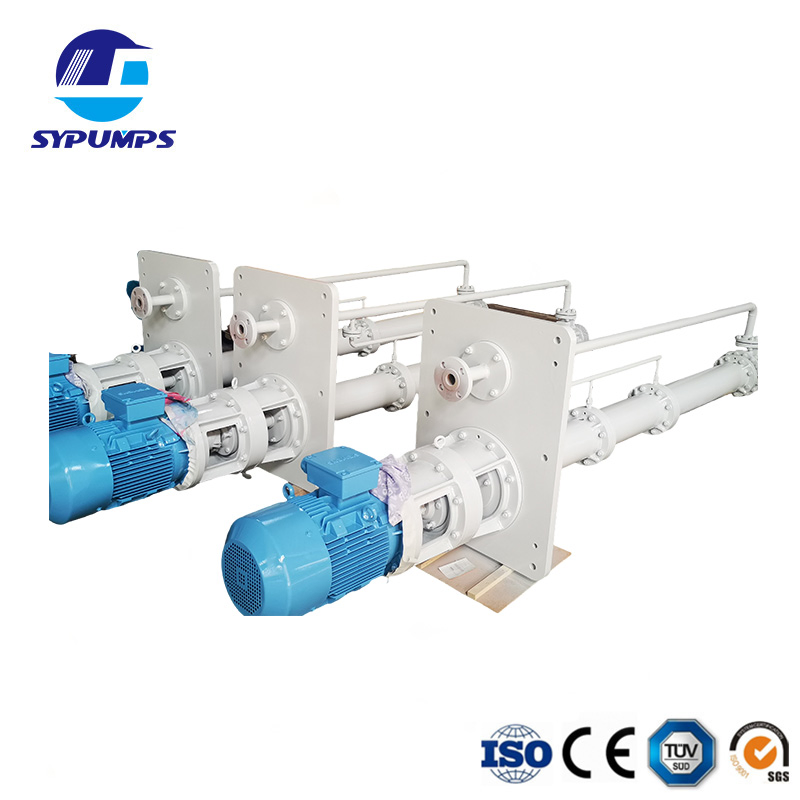
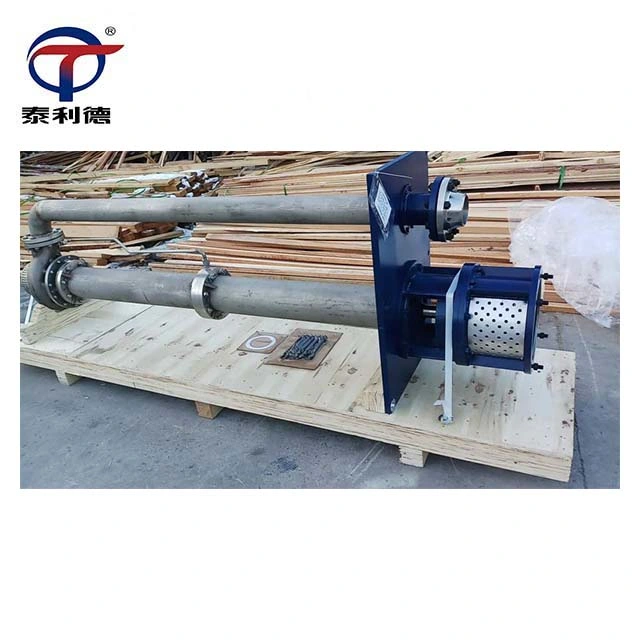
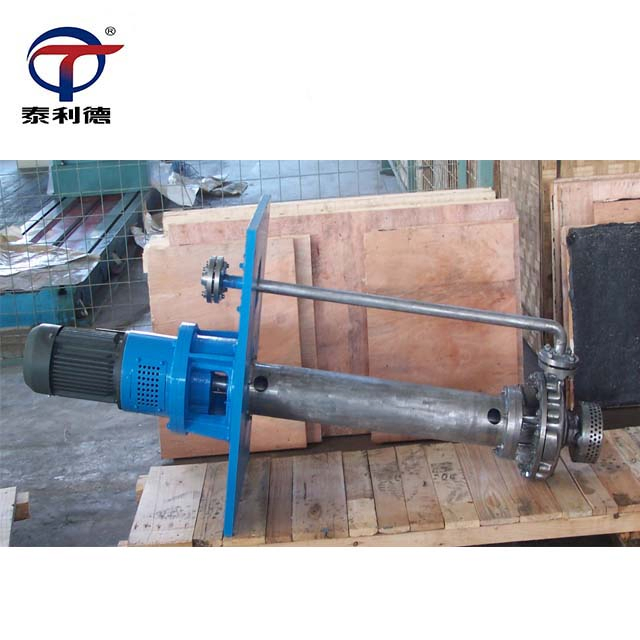
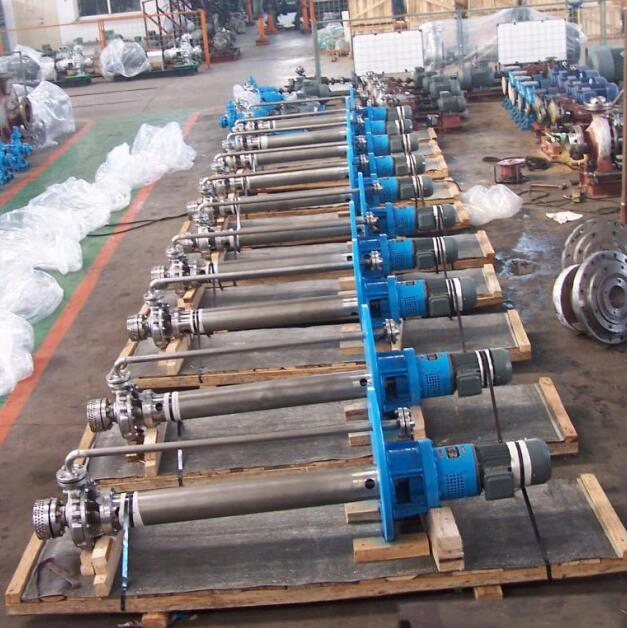
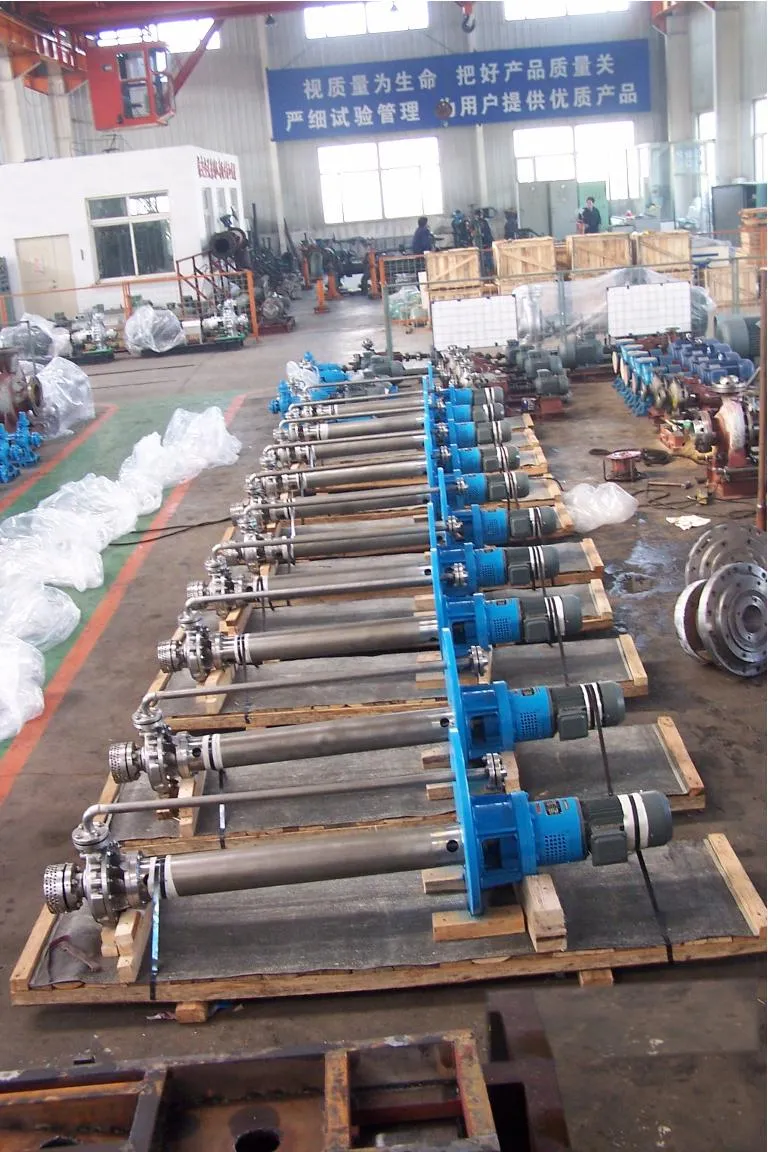
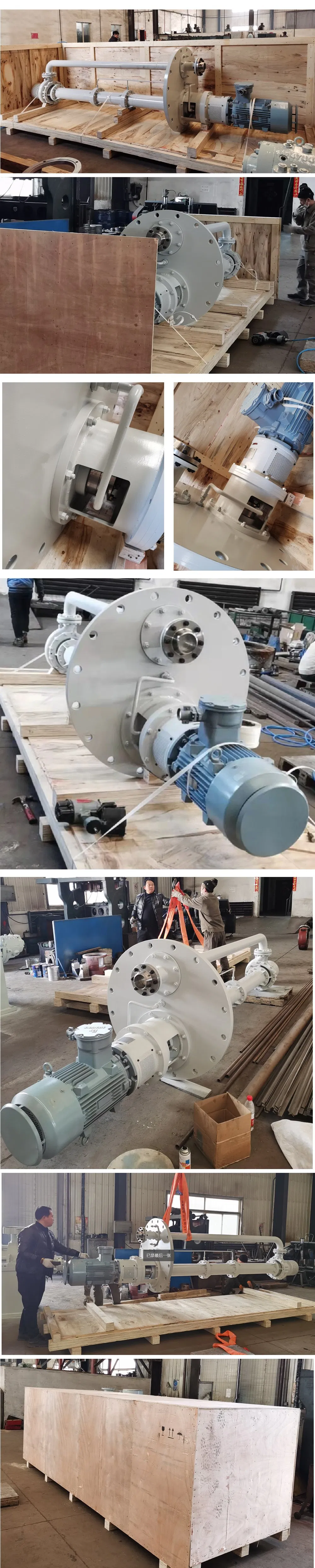
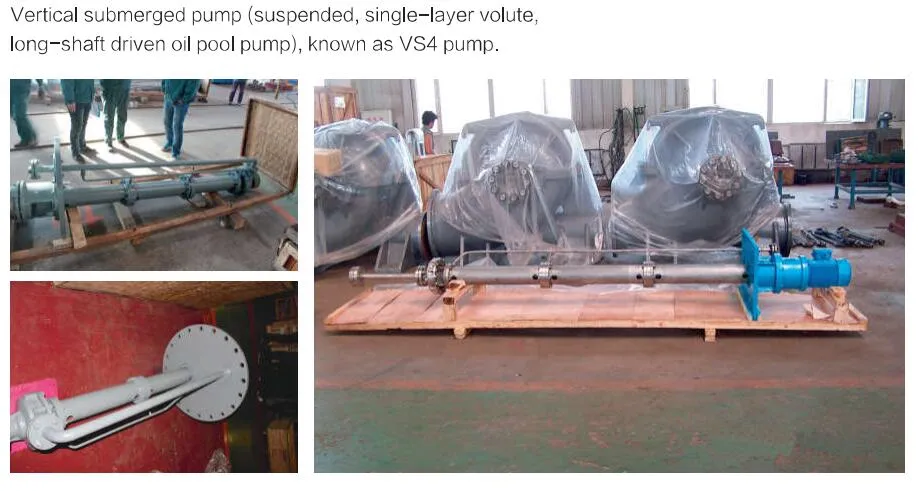
VS4 Vertical Submerged Pump
⚙️
Application Range:
VS4 Vertical Submerged Pump is widely applicable for chemical industry, power stations, paper making, pharmaceuticals, refined sugar, and environmental protection.
Performance Parameters
| Feature | Specification |
|---|
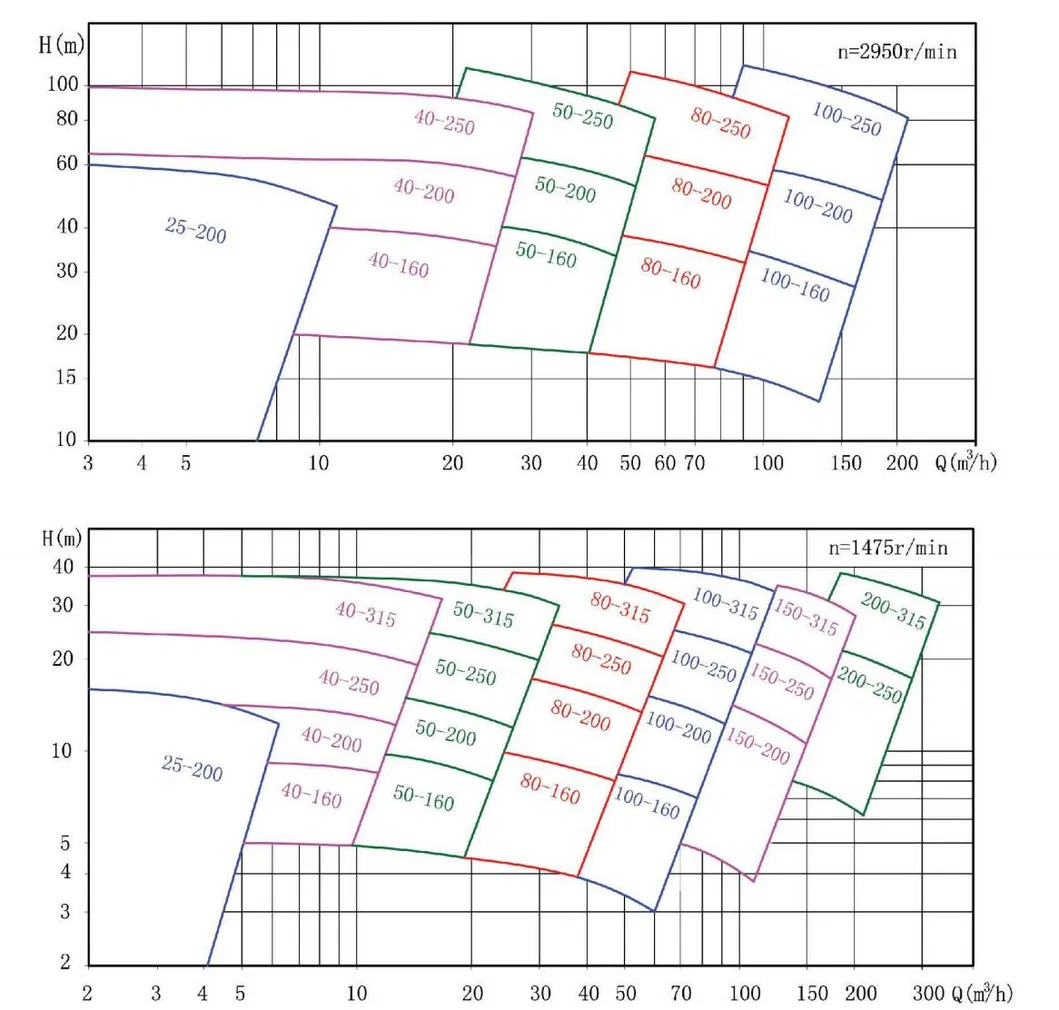
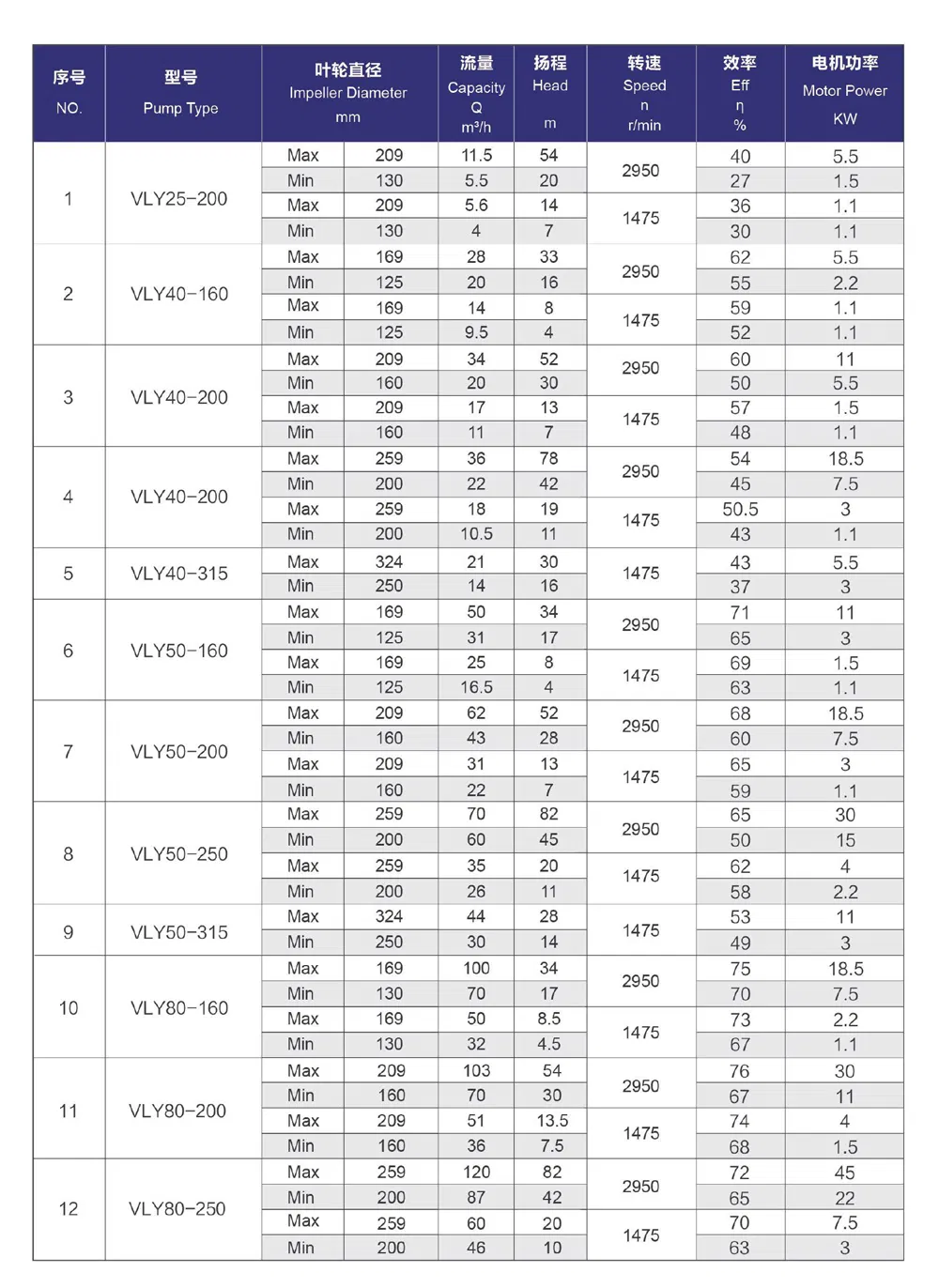
| Capacity | 2-400m3/h |
| Head | 5 to 200m |
| Pressure | ≤2.5MPa |
| Temperature | -20 to +120 degree |
Structure Features
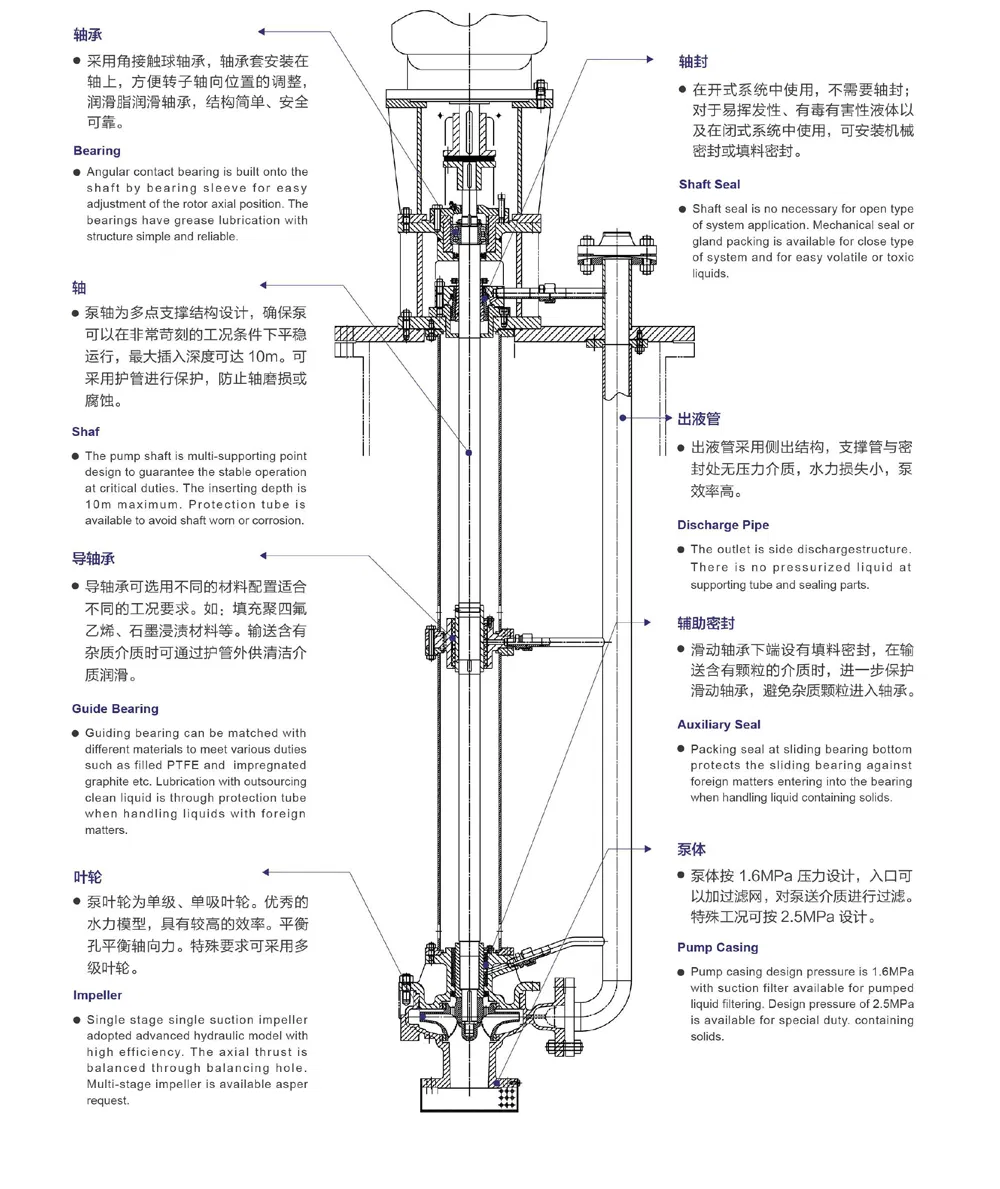
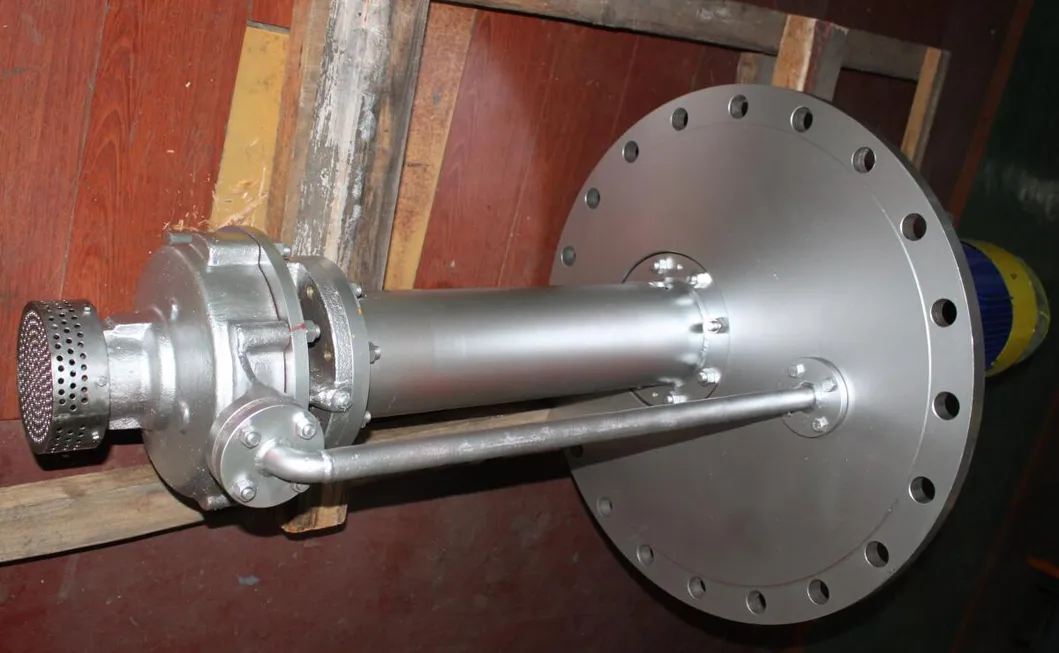
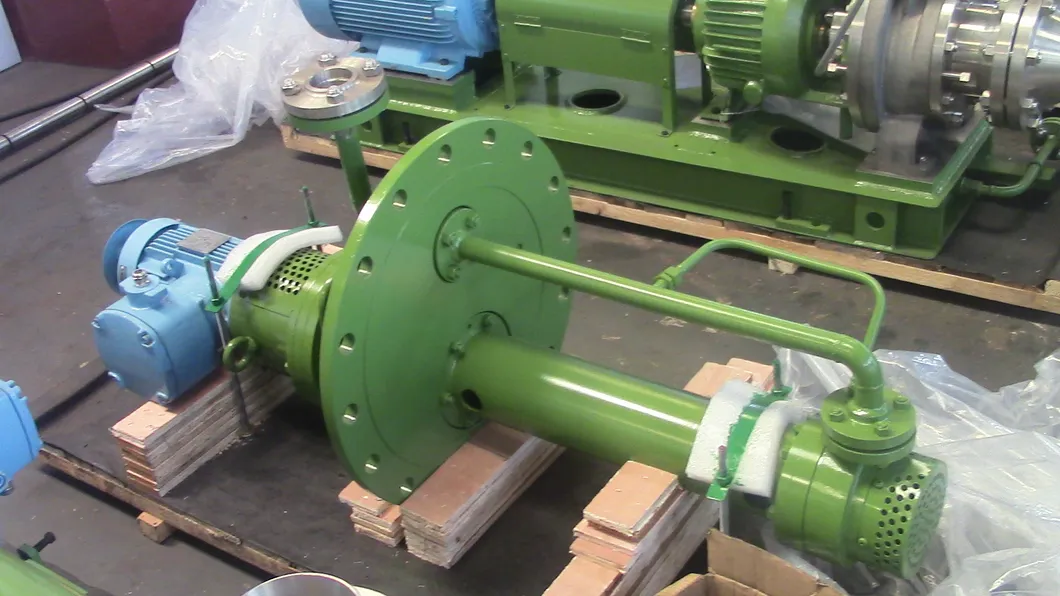
VS Vertical Submerged Pumps are highly safe, reliable and stable in operation, featuring a long operation life. Maintenance is simplified with high exchangeability of spare parts. The casing is radial split and utilizes a double volute casing design for sizes 80mm and above to reduce radial force and vibration.
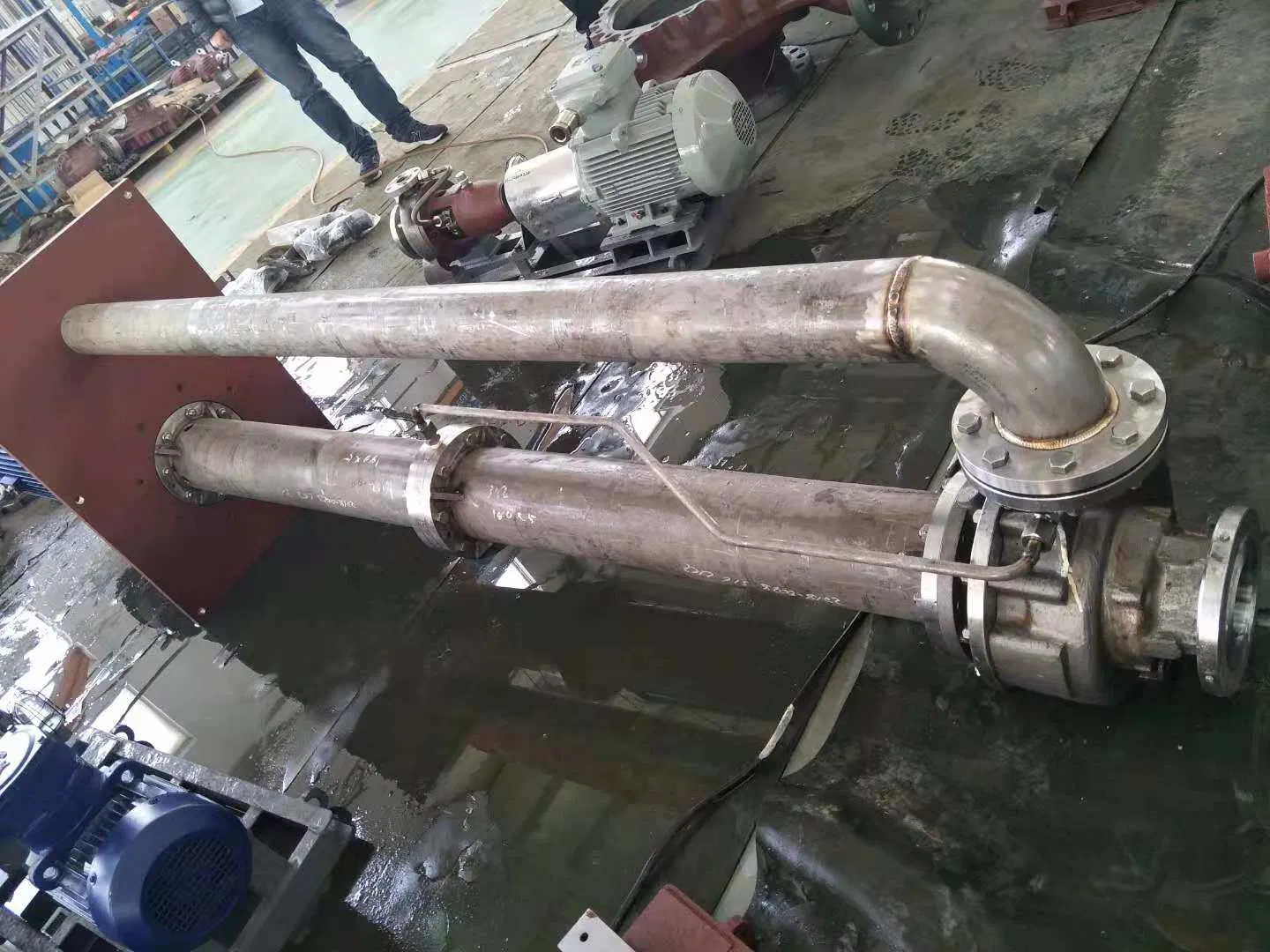
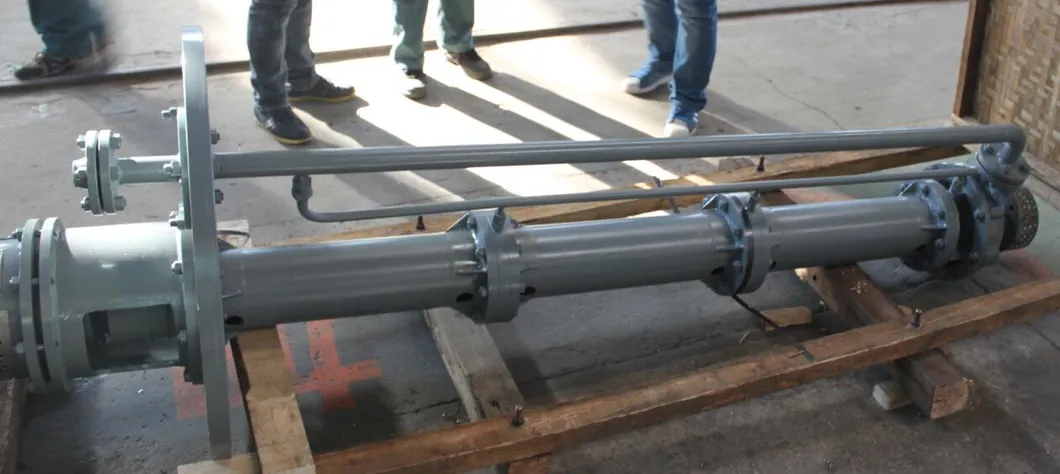
Pump Shaft: Designed with reliable extension-connection and multi-supporting points. The maximum submergence length can reach 10m. Protection tubes can be used to prevent wear or corrosion in harsh media.
Impeller & Diffuser: Multi-stage design to meet various head requirements. Axial force is balanced via balancing holes, and exchangeable ladder-type seal rings protect the casing from foreign matter settling.
Frequently Asked Questions
Q1: Does the VS4 pump comply with international standards?
A1: Yes, the VS4 Vertical Submerged Pump fully meets the API610 standard, ensuring high reliability for petrochemical and industrial use.
Q2: What is the maximum submergence length available?
A2: The pump shaft is designed for stable operation with a maximum submergence length of up to 10 meters.
Q3: How is the axial force balanced in this pump?
A3: The axial force is effectively balanced through specifically designed balancing holes in the impeller.
Q4: What types of bearings are used in the VS4 series?
A4: The rotating parts are supported by both rolling bearings and sliding bearings. Sliding bearings can be self-lubricated or externally lubricated depending on the media.
Q5: Can this pump handle liquids with solids?
A5: Yes, with an outer lubrication structure, the pump can handle pulp liquids with solids. Additionally, a suction filter prevents large solids from damaging the internal components.
Q6: Is a shaft seal required for open systems?
A6: In open type systems, a shaft seal is generally not necessary as there is no pressurized liquid leakage in the shaft direction.
 Tongyi Machinery