In the contemporary industrial ecosystem, the reliability of fluid transfer systems is the bedrock of operational continuity. Self-priming pumps have evolved from simple utility devices into sophisticated engineering solutions capable of handling diverse viscosities, chemical compositions, and environmental conditions. As global industries lean towards automation, the demand for equipment that minimizes downtime—specifically, pumps capable of re-priming automatically without manual intervention—has surged.
The future of self-priming pump manufacturing is dictated by three primary vectors: Energy Efficiency, Material Resilience, and Digital Integration (IIoT). Manufacturers are moving away from traditional iron casting toward advanced composite materials and high-grade stainless steels to combat corrosion in harsh chemical environments. Furthermore, integrating smart sensors that monitor cavitation and flow rates allows for predictive maintenance, a key shift in Industry 4.0 paradigms.
At the forefront of this industrial shift stands Shandong Tongyi Machinery Equipment Co.,Ltd. With a philosophy centered on "Science and Technology leading, quality-oriented," the company has established itself as an authority in pump manufacturing. By combining rigorous ISO9001-certified quality management systems with a robust R&D pipeline, they provide comprehensive solutions for petroleum, mining, chemical, and food processing industries.
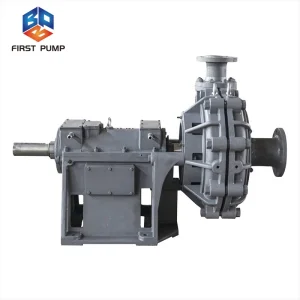
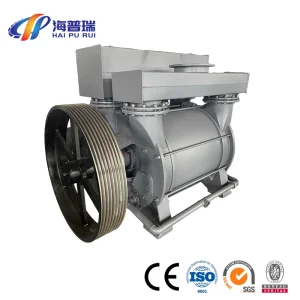
From modern standard workshops equipped with CNC machining centers to advanced testing instrumentation, Shandong Tongyi ensures that every product—be it a vacuum pump, slurry pump, or self-priming unit—meets international performance benchmarks. Their service model, encompassing pre-sales consultation, rigorous production supervision, and comprehensive after-sales support, positions them as a strategic partner rather than just a vendor.
Q: What makes a pump "Self-Priming" compared to a standard centrifugal pump?
A: A standard centrifugal pump requires a flooded suction line to operate. A self-priming pump contains a liquid reservoir that allows it to evacuate air from the suction line, creating a vacuum that draws liquid up automatically.
Q: How do you choose the right material for a chemical pump?
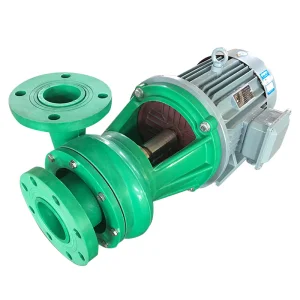
A: Material selection depends on pH levels and chemical compatibility. We often recommend fluorine plastic or high-grade stainless steel for corrosive applications, as seen in our IH series chemical pumps.
Q: How does Shandong Tongyi ensure quality?
A: We utilize a scientific quality management system with advanced testing instruments, ensuring every unit (SZ, SK, 2BEA series, etc.) adheres to precise performance curves before leaving the factory.
 Tongyi Machinery