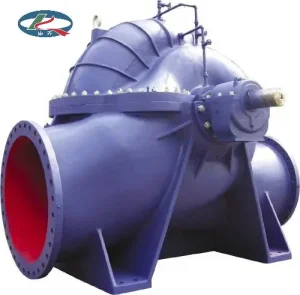
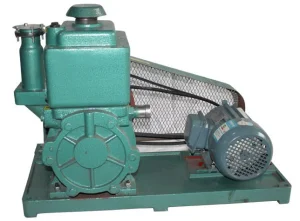
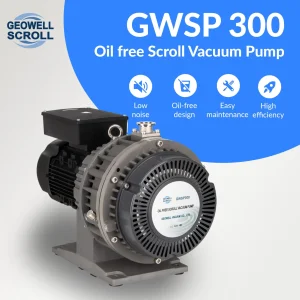
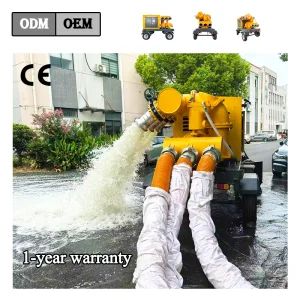
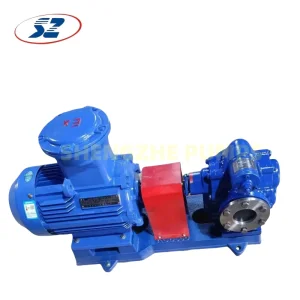
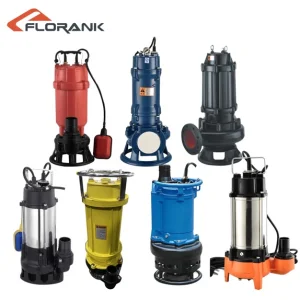
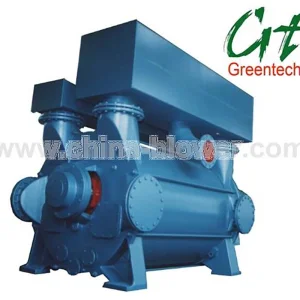
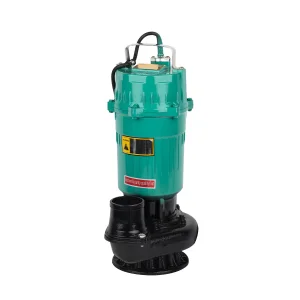
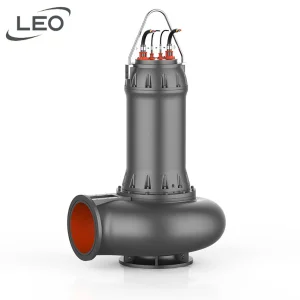
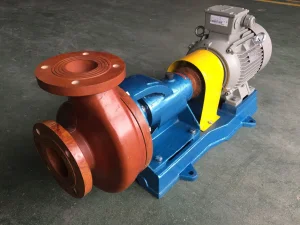
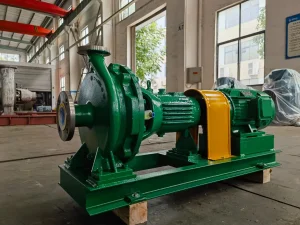
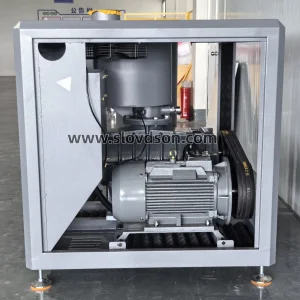
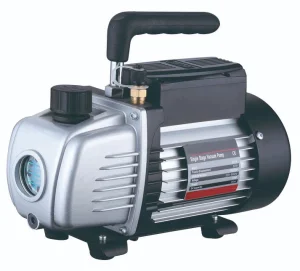
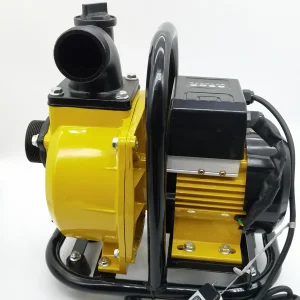
Explore our CE-certified range of heavy-duty positive displacement, centrifugal, and liquid ring vacuum systems built for rugged operating environments.
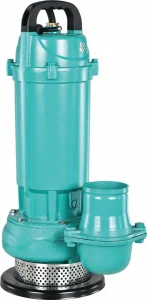
Positive displacement (PD) pumps operate on a fundamental hydrodynamic principle distinct from centrifugal systems: they move fluid by trapping a fixed volume and forcing (displacing) it into a discharge pipe. Regardless of pressure variations in the downstream piping, a PD pump delivers a constant flow rate relative to its operating speed. This characteristic makes positive displacement technology the gold standard for high-viscosity media, dosing applications, high-pressure setups, and fluid environments requiring low shear.
The positive displacement category is broadly divided into two main physical configurations:
Founded on the principles of "science and technology leading, quality oriented, and reputation first," Shandong Tongyi Machinery Equipment Co.,Ltd has grown into a premier manufacturing hub and exporter of heavy-duty industrial pumps. We specialize in producing an expansive portfolio of liquid ring vacuum systems, chemical centrifugal pumps, heavy slurry pumps, and positive displacement solutions engineered for harsh operating environments.
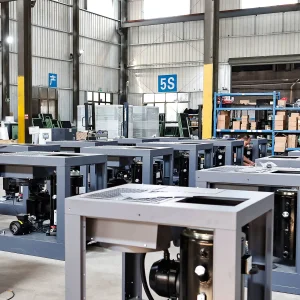
Our history is defined by consistent technological breakthrough. Operating from a modern standard manufacturing facility equipped with a complete, scientific quality management system, we integrate design, casting, precision machining, assembly, and testing under one roof to maintain rigid control over component tolerances and metallurgy.
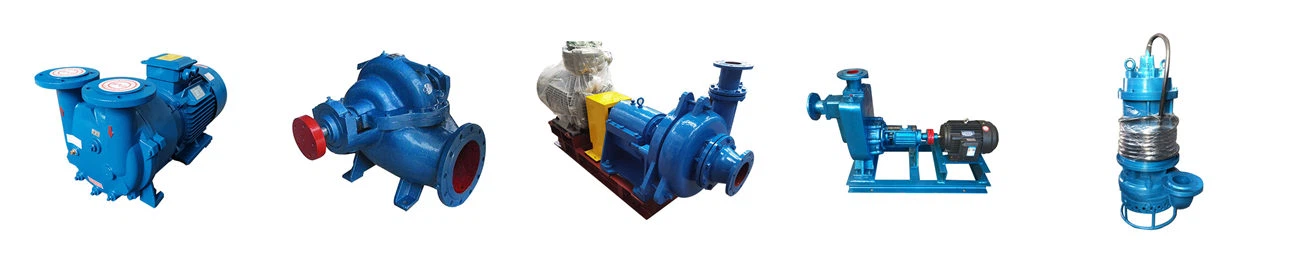
Our machining inventory includes advanced CNC lathes, automated drilling machines, vertically integrated machining centers, and large-scale floor boring machines. This machinery enables Shandong Tongyi to manufacture complex profiles such as double-suction casings, multi-stage segments, and high-tolerance vacuum scroll configurations.
Certified Quality
Export Countries
Factory Tested
Engineering Support
Sourcing industrial fluid machinery from a specialized Chinese cluster like Shandong offers key advantages for global buyers looking to balance cost and performance. Shandong is home to an established ecosystem of raw material foundries, metallurgy laboratories, specialized machine tool builders, and skilled technicians. Here is how Shandong Tongyi transforms this environment into tangible benefits for international clients:
We source high-grade alloys, duplex stainless steels (such as 2205/2507), cast iron, and specialized fluoropolymers. This ensures our pumps withstand abrasive mining slurries, corrosive chlorides, and high operating temperatures without premature component wear.
Our facility features large floor-boring mills and multi-axis machining centers. This allows us to keep machining tolerances in scroll vacuum pumps and gear profiles within single-digit microns, minimizing internal backflow slippage.
CE certification confirms that our pumps comply with European health, safety, and environmental protection standards. From seal integrity testing to dynamometer test stands, we measure hydraulic performance under real-world pressure curves.
Modern procurement directors focus on the Total Cost of Ownership (TCO) rather than just the initial purchase price. A pump that fails prematurely during operation can cause costly production downtime. When evaluating positive displacement pump suppliers, international procurement teams typically prioritize three core criteria:
Industrial fluid processes require specialized machinery for specific environments. Standard pumps often struggle with corrosive chemicals, abrasive minerals, or high-vacuum environments. Shandong Tongyi designs and configures customized pump packages to address these operational challenges across key sectors:
The industrial pump sector is moving toward greater efficiency, smart monitoring, and sustainable materials:
Get authoritative answers to common engineering questions about positive displacement pumps, liquid ring systems, and material choices.
The core difference lies in how they transfer energy to the fluid. Centrifugal pumps use rotating impellers to increase kinetic energy, converting velocity into pressure at the discharge. Their flow rate varies significantly with discharge pressure. Positive displacement pumps isolate a fixed volume of fluid and physically displace it, producing a constant flow rate regardless of system pressure variations. This makes positive displacement pumps ideal for high-viscosity applications and dosing duties.
CE certification indicates compliance with EU health, safety, and environmental protection standards (such as the Machinery Directive 2006/42/EC). For global buyers, it serves as verification of design safety, electrical compliance, and structural integrity. This simplifies customs clearance, ensures workplace safety, and guarantees that the pump meets strict international quality baselines.
High viscosity reduces the efficiency of centrifugal pumps due to friction losses. However, positive displacement pumps (like gear or screw pumps) run more efficiently with viscous fluids because the thicker media reduces internal slippage. When handling high-viscosity fluids, it is important to reduce operating speeds to prevent cavitation and ensure the fluid completely fills the pump's suction chambers.
Choose an oil-free dry pump (like a dry scroll or diaphragm pump) when your process requires a clean vacuum environment free of oil mist or working liquid contamination. This is common in laboratory settings, freeze dryers, and autoclave sterilization. Liquid ring vacuum pumps are better suited for heavy-duty industrial applications that involve wet gases, hot vapors, or particulate carryover, as they use water or a seal fluid to compress the gas.
We use corrosion-resistant materials, such as our fluoropolymer-lined centrifugal pumps and fiberglass series. Additionally, we fit our pumps with single or double mechanical seal configurations, back-to-back seal barriers, or magnetic drives. This design isolates the process fluid and prevents leakage, protecting workers and the surrounding environment.
Explore our specialized chemical, multi-stage centrifugal, and environmental management pump selections built for complex processes.
 Tongyi Machinery