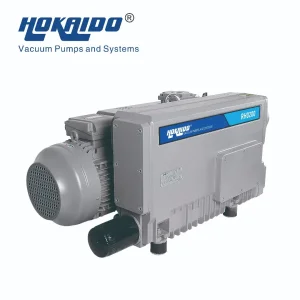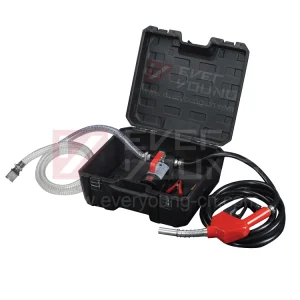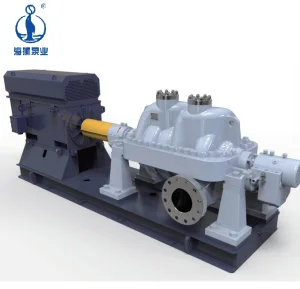
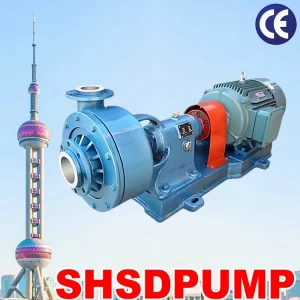
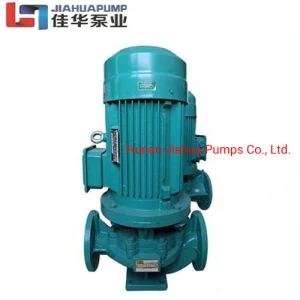
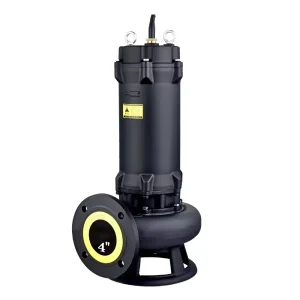
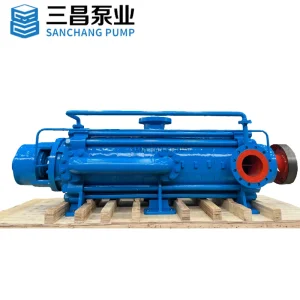
Modern booster pump designs rely on computational fluid dynamics (CFD) to maximize hydraulic efficiency. Advanced impellers are designed to minimize boundary layer separation and turbulence, achieving optimal Net Positive Suction Head required (NPSHr) parameters. Minimizing energy losses within the volute casing is essential to meeting the strict dynamic performance standards required by global municipal and petrochemical infrastructures.
For EU markets and global engineering firms, CE marking signifies adherence to harmonized European safety, health, and environmental protection standards. Under standard EN ISO 12100 for machinery safety, and directives 2006/42/EC (Machinery) and 2014/35/EU (Low Voltage), booster pumps undergo testing for electrical, dynamic mechanical, and hydrostatic pressures, ensuring reliability under extreme operation.
Selecting pump materials demands careful chemical and mechanical evaluation. While durable cast iron offers structural stability for basic water transport, high-corrosive chemical solutions require duplex stainless steels, Hastelloy, or fluorine plastic linings (like FSB/PVDF). This prevents localized pitting, galvanic corrosion, and erosive wear at high shear velocities, extending the operational life of the pump.
Shandong Tongyi Machinery Equipment Co., Ltd stands as a professional manufacturer of industrial vacuum pumps, water pumps, slurry pumps, and specialized pipeline fluid handling equipment. Rooted in our core principle of "science and technology leading, quality oriented, and reputation first", the company has driven innovation in industrial fluid dynamics. We specialize in producing heavy-duty pump configurations that meet both national manufacturing standards and complex international safety requirements, including CE and ISO frameworks.
Our commitment is centered on delivering engineering solutions that enhance system performance and lower overall lifecycle costs. Through ongoing R&D and precision engineering, we have consistently expanded our market reach, providing robust pumping solutions to energy, mining, chemical, and municipal networks worldwide.
The company maintains a modern, standardized production facility with a fully integrated, scientific quality management system. Our plant operates advanced machinery, including high-precision CNC lathes, vertical and horizontal drilling machines, multi-axis machining centers, and large-scale floor boring mills.
To verify hydraulic, electrical, and mechanical integrity, all finished pump assemblies undergo hydrostatic pressure testing, dynamic balancing, and comprehensive pump curve analysis. This ensures they consistently deliver the specified head, capacity, and NPSHr metrics prior to shipment.
Shandong Tongyi offers full-lifecycle support, structured around pre-sales technical consultations, active production monitoring, and post-installation support. Our engineering department assists clients with pipeline calculations, system head curves, NPSHa evaluations, and material selection (such as cast iron, stainless steel, or fluorine plastics) to prevent cavitation and early component wear.
Our post-sale services include commissioning guidance, troubleshooting support, and an inventory of standard replacement parts (impellers, mechanical seals, and wear rings) to minimize unexpected downtime.
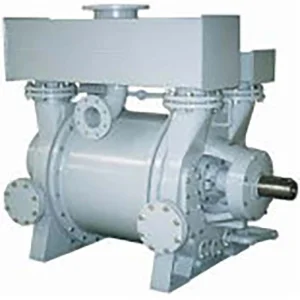
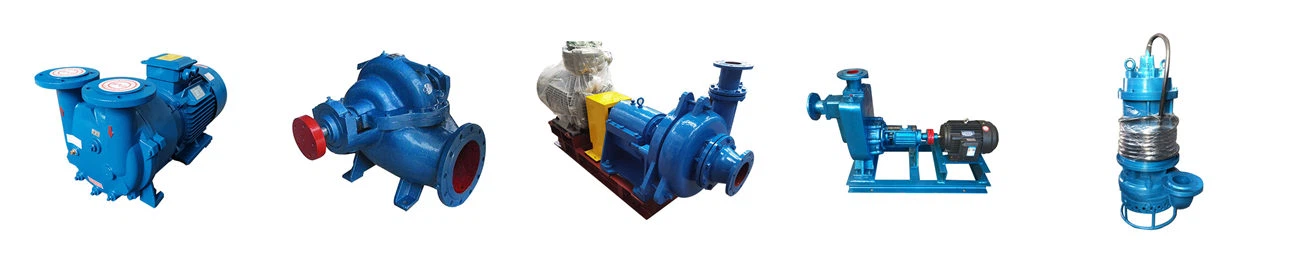
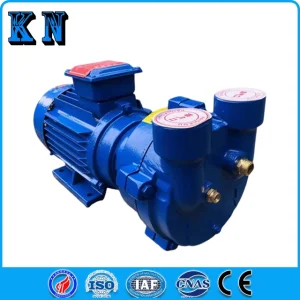
Our line includes the SZ, SZB, SK, 2BV, 2BEA, and 2BEC series water ring vacuum pumps, as well as roots water ring vacuum units and closed-cycling systems. For oil-free operations, we produce WLW vertical oil-free reciprocating vacuum pumps, engineered to deliver reliable vacuum pressure without process fluid contamination.
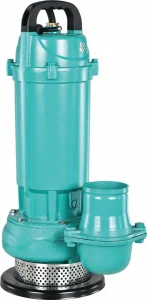
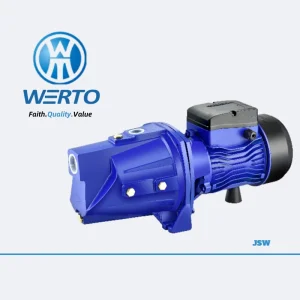
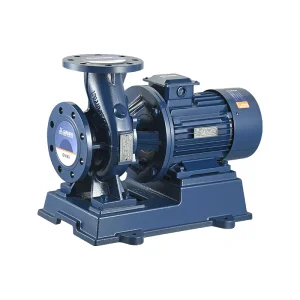
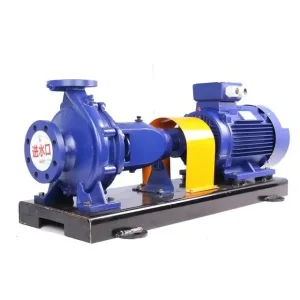
We design and manufacture SH, S, OS, IS, ISG, LG, DL, and DA1 series water pumps. Additionally, our QW series submersible sewage pumps and self-priming booster pumps provide dependable municipal water transport, industrial boosting, and storm runoff drainage.
For high-density slurry management, we offer the YZ and YW series vertical slurry pumps, the GMZ and ZJ series horizontal slurry pumps, and the WSL series submerged non-clog pumps. We also manufacture PW series horizontal sludge pumps, designed to handle abrasive mixtures with high solids content.
For aggressive, corrosive chemicals, we offer IH series chemical pumps, YHF submerged anti-corrosive pumps, and FSB series fluorine plastic centrifugal pumps. These units are specifically engineered to handle acids, bases, and volatile solvents in chemical process plants.
For procurement professionals and plant managers, selecting a pipeline booster pump involves assessing long-term operational costs alongside initial purchase price. The Total Cost of Ownership (TCO) of industrial pumping systems is typically structured as follows:
Partnering with certified suppliers like Shandong Tongyi allows global buyers to streamline engineering compliance (via CE/ISO alignment) while benefiting from competitive manufacturing and shipping logistics.
Integrating Variable Frequency Drives (VFD) enables pump speed adjustments in response to real-time system demand. This matches the pump's operating point to the system curve, reducing energy consumption and preventing mechanical wear caused by running outside of the Best Efficiency Point (BEP).
Future pipeline installations rely on integrated sensors to track vibration, bearing temperatures, and seal chamber pressures. Real-time data analysis identifies early signs of cavitation, misalignment, or bearing wear, helping operators schedule maintenance before failures occur.
In line with international climate targets, pump manufacturers focus on reducing energy consumption and carbon emissions. Optimizing impeller geometries, minimizing internal friction, and selecting fully recyclable alloys help reduce the overall environmental footprint of industrial fluid transport systems.
NPSHa (Net Positive Suction Head Available) is determined by the design of the suction piping and the fluid properties. NPSHr (Net Positive Suction Head Required) is a manufacturer specification defined by the pump's internal hydraulic design. To prevent cavitation, NPSHa must exceed NPSHr by a safety margin, typically at least 0.5 meters to 1.0 meters, depending on the fluid and operating conditions.
CE certification requires booster pumps to comply with safety standards under directives such as the Machinery Directive (2006/42/EC) and Low Voltage Directive (2014/35/EU). Design modifications include adding mechanical guarding, choosing touch-safe electrical enclosures, specifying pressure-rated casing materials, and providing complete technical documentation.
FSB fluorine plastic (such as FEP or PVDF) centrifugal pumps are specified for handling highly corrosive acids (hydrofluoric, nitric, sulfuric) and aggressive halogen compounds that can cause localized pitting in stainless steel. Stainless steel remains the preferred choice for high-pressure, high-temperature applications where mechanical strength is the primary requirement.
Water ring vacuum pumps compress gases isothermally. Because the liquid ring acts as the sealant and heat sink, these pumps can safely compress explosive gases, volatile organic compounds (VOCs), and vapors containing liquid carryover without risk of ignition or mechanical damage.
To calculate TDH, engineers must determine: the static head (vertical distance the fluid is lifted), pressure head differential, friction losses in all pipes, fittings, and valves, and velocity head at the discharge point. Accurately determining these values prevents over-sizing, which can lead to low-efficiency operation.
High-viscosity liquids reduce a centrifugal pump's flow rate, head, and hydraulic efficiency while significantly increasing the power required. Viscous fluid applications require correction factors (in accordance with HI guidelines) to adjust performance curves, and may necessitate larger drive motors.
Chemical booster pumps commonly use API 682 seal plans, such as Plan 11 (recirculation from discharge to seal), Plan 53A (pressurized barrier fluid reservoir), or Plan 54 (external barrier system). Selecting the correct seal configuration prevents process fluid emissions, protecting both operators and the environment.
Lead times depend on the complexity of the materials and the design requirements. Standard cast iron booster pumps typically ship within 4 to 6 weeks. Customized chemical centrifugal pumps, high-pressure multistage pumps (API 610/BB3), or specialized vacuum systems requiring custom engineering can range from 8 to 12 weeks.
All impellers undergo precision dynamic balancing in accordance with ISO 1940 standards (typically G2.5 or G1.0 quality grades). This minimizing vibration during operation, protects the bearings, preserves shaft seal integrity, and extends the overall mechanical life of the pump.
Yes, but they must be monitored to ensure the motor retains adequate cooling (using independent fan ventilation if necessary) and the pump maintains enough flow to prevent heat buildup. Additionally, the operating speed must remain outside of the system's structural resonance frequencies.
 Tongyi Machinery