How to Understand Future Trends in Industrial Pump Technology?

Time:2026-07-01 Author:Oliver
0%

The industrial pump technology sector is evolving rapidly. In recent years, the need for efficiency and sustainability has risen significantly. According to a report by MarketsandMarkets, the industrial pump market is expected to reach $80 billion by 2025, growing at a CAGR of 4.8%. This growth highlights a shift towards advanced materials and smart technologies.

What is the future trend of industrial pump technology? It lies in innovation and adaptability. Implementing IoT solutions can enhance monitoring and performance. Additionally, the integration of AI can optimize processes, reducing downtime and maintenance costs. Yet, there are challenges. Many companies struggle to keep pace with these advancements.

As we look forward, it is clear that understanding these trends is essential. Industry leaders must adapt or risk falling behind. The changing landscape demands that businesses invest in technology and training. Keeping abreast of developments is crucial for operational success.
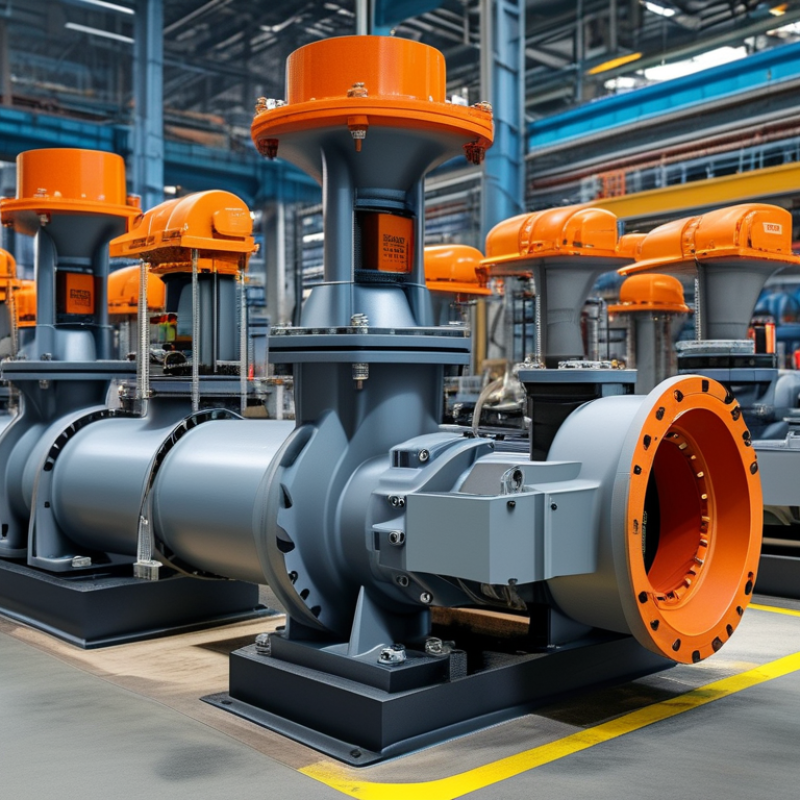
How to Understand Future Trends in Industrial Pump Technology?

Key Factors Influencing Industrial Pump Technology Trends

Understanding future trends in industrial pump technology requires an examination of key influencing factors. One major factor is the increasing demand for energy efficiency. Companies are investing in pumps that reduce energy consumption. This shift not only lowers operational costs but also minimizes environmental impact. In many cases, pumps that integrate smart technology can automatically adjust performance based on real-time data.

Another crucial aspect is regulatory changes. Governments are implementing stricter environmental regulations. This pushes manufacturers to develop more sustainable solutions. Advanced materials that resist corrosion and wear are becoming more common. These materials enhance lifespan and reliability. However, the transition to new technology can pose challenges. Not all facilities are ready to adapt. Training staff to manage these innovations is essential.

Market dynamics also play a significant role. Global supply chain fluctuations affect availability and costs. Manufacturers must be agile to respond to these changes. The rise of digitalization in industries adds another layer of complexity. While it offers new opportunities for efficiency, it also raises questions about cybersecurity and data management. Balancing these aspects requires thoughtful planning and perseverance.

How to Understand Future Trends in Industrial Pump Technology? - Key Factors Influencing Industrial Pump Technology Trends

Trend Description Impact Factor Expected Growth (%)
Energy Efficiency Development of pumps that consume less energy while maintaining performance. Cost savings, regulatory compliance. 15%
Smart Technology Integration of IoT and AI for predictive maintenance and real-time monitoring. Increased uptime, reduced maintenance costs. 20%
Eco-friendly Materials Use of sustainable and recyclable materials in pump manufacturing. Regulatory incentives, consumer demand. 10%
Modular Design Flexible pump systems designed for easy upgrades and customization. Cost-effective solutions, adaptability. 12%
Digital Twins Virtual models of pump systems for simulation and optimization. Enhanced design and operational efficiency. 18%

Emerging Technologies Shaping the Future of Pump Design and Efficiency

The industrial pump industry is undergoing significant changes. Emerging technologies are reshaping pump design and improving efficiency. New materials are now being used to enhance durability and reduce wear. Innovations like 3D printing allow for customization and rapid prototyping, leading to more efficient designs. This technology enables manufacturers to create complex geometries that were previously impossible.

Smart technologies are also becoming essential. Internet of Things (IoT) devices provide real-time data. This data helps in predictive maintenance, which reduces downtime. However, not all companies are ready to adopt these innovations. The integration of such technologies often requires substantial investment and training. Additionally, the reliance on these systems can lead to complications in traditional workflows.

Energy efficiency is a critical focus. Advances in variable frequency drives (VFDs) allow pumps to operate at optimal levels. This could lead to significant cost savings over time. Still, many users struggle to evaluate which technologies align with their needs. The transition towards these advanced systems may be slow due to budget constraints. It is vital for companies to assess their unique challenges when adopting these technologies.

Sustainability and Its Impact on Industrial Pump Innovations

The growing emphasis on sustainability is reshaping industrial pump technology. Reports indicate that by 2025, the pumps market may reach $45 billion, driven by demands for energy efficiency. Innovations now focus not only on performance but also on reducing environmental impact. Companies are integrating advanced materials and designs that minimize energy use.

Tips: Consider energy-efficient options when selecting pumps. This can significantly reduce operational costs over time. Research shows that pumps account for nearly 20% of global energy consumption.

Emerging technologies offer solutions for better resource management. Smart pumps, for example, can optimize performance based on real-time data. However, implementation can be challenging. Many organizations struggle to adopt these new technologies due to costs and training needs. Addressing these issues is crucial for sustainable growth. Exploring alternative energy sources can drive further innovation in this space.

Tips: Stay informed about industry standards related to sustainability. This knowledge can guide decisions and ensure compliance.

Market Demands and Their Role in Advancing Pump Technologies

Market demands play a crucial role in shaping advancements in pump technologies. Industries require efficient, reliable, and sustainable solutions. This need drives innovation in materials, design, and functionality. For instance, the rise of eco-friendly practices has led to the development of energy-efficient pumps. Companies are under pressure to reduce their carbon footprint. This shift complicates the design process, pushing engineers to create both sustainable and powerful solutions.

As industries evolve, so do the applications of pump technology. The food and beverage sector requires pumps that meet strict hygiene standards. In contrast, the oil and gas industry demands pumps that can operate under extreme conditions. This variation presents challenges; pump manufacturers must understand diverse requirements. They must balance functionality with safety and efficiency.

Developing new technology requires constant feedback from users. This iterative process is essential in refining pump designs. Manufacturers must remain adaptable as market trends shift. Customer feedback often reveals unexpected challenges and opportunities for improvement. This close connection with users fosters innovation that meets real-world needs. Embracing this complexity leads to a deeper understanding of future trends in industrial pump technology.

The Future of Smart Pumps: Integrating IoT and Automation

The future of smart pumps lies in the integration of IoT and automation. These technologies will revolutionize industrial pumping systems. Smart pumps will enhance efficiency, reliability, and monitoring capabilities. This shift is crucial for industries seeking to optimize operations. Real-time data will empower businesses to make informed decisions.

Tips for implementation: Start small. Invest in basic IoT devices to monitor pump performance. Analyze data regularly to identify patterns. Consider scalability when choosing technology solutions. Involve the team in the transition process. Training ensures everyone is on board and understands the new systems.

Challenges remain. Not all facilities have the infrastructure for smart technology. Integration issues may occur with existing equipment. Ensuring cybersecurity is paramount. Failure to address these concerns can hinder progress. Reflect on these factors before implementing changes. Balancing innovation with practicality is key in this evolving landscape.

FAQS

: What are emerging technologies in pump design?

: Emerging technologies include new materials and 3D printing. These innovations improve durability and allow for unique designs.

How does IoT impact pump efficiency?

IoT devices offer real-time data for predictive maintenance. This helps reduce downtime and improves overall efficiency.

What are the challenges of adopting smart technologies?

Adoption requires substantial investment. Companies may face training needs and disruptions to traditional workflows.

Why is energy efficiency important in pump design?

Energy efficiency leads to cost savings over time. However, users must evaluate which technologies suit their specific needs.

How do market demands shape pump technology?

Industries need reliable and sustainable solutions. This drives innovation in materials, design, and functionality to meet strict requirements.

What should companies consider when implementing new technology?

Companies should start small and choose scalable solutions. Involving the team and training enhances successful integration.

Why is customer feedback crucial in pump development?

Customer feedback helps refine designs. It reveals challenges and opportunities that manufacturers may not initially consider.

What factors hinder the transition to smart pumps?

Infrastructure issues and integration problems with existing equipment can pose obstacles. Cybersecurity concerns must also be addressed.

How should companies approach the integration of IoT?

Companies should analyze data patterns regularly. Reflecting on factors like scalability and team involvement is essential for effective implementation.

What is a key consideration for balancing innovation?

Balancing innovation with practicality is vital. Understanding unique challenges helps manufacturers create effective solutions.

Conclusion

The future trend of industrial pump technology is shaped by several key factors, including emerging technologies, sustainability concerns, and evolving market demands. Innovations in pump design are heavily influenced by advancements in materials and engineering techniques, which enhance efficiency and performance. Additionally, the growing emphasis on sustainability drives the development of eco-friendly solutions, prompting manufacturers to seek ways to reduce energy consumption and minimize environmental impact.

As industrial operations increasingly integrate IoT and automation, the future of smart pumps becomes a significant focus. These innovations not only optimize operational efficiency but also enable predictive maintenance, ultimately transforming how industrial systems manage fluid transport. By understanding these trends and their implications, stakeholders can better position themselves in an evolving market that prioritizes efficiency, sustainability, and technological advancement.

Oliver

Oliver

Oliver is a seasoned marketing professional with a wealth of expertise in driving brand awareness and engagement. With a deep understanding of our company's product offerings, he consistently delivers high-quality content that enriches our professional blog. His insights not only shed light on......