Top 10 Ways to Handle Pump Overheating Issues?

Time:2026-10-13 Author:Liam
0%

Pump overheating rarely appears without a warning. A hot bearing housing, burnt oil smell, or darkened coupling often signals trouble. The real cause may hide inside a blocked suction strainer, closed discharge valve, poor lubrication system, or repeated dry running.

This guide, Top 10 Ways to Handle Pump Overheating Issues, explains practical checks for operators, maintenance teams, and reliability engineers. It focuses on measurable clues rather than guesses. Record casing temperature, motor current, vibration, flow rate, and suction pressure. Compare every reading with the manufacturer’s limits. A single infrared reading can mislead.

A pump can feel warm and still operate normally. However, a sudden temperature rise demands attention. Pump educator Larry Bachus is often quoted as saying, “Pumps do not pump liquids; they create differential pressure.” That principle matters here. Insufficient flow, excessive resistance, or incorrect system conditions can force the pump to convert energy into unwanted heat.

Start with the operating point. Is the pump running near shutoff? Is the fluid more viscous than expected? Is the impeller damaged or incorrectly trimmed? These questions sound basic. They are often missed.

Safe isolation comes first. Never touch a suspected overheated pump before shutdown and verification. Allow cooling time, then inspect seals, bearings, alignment, ventilation, and lubrication. Some diagnoses will remain uncertain until trend data appears. That is acceptable. Reliable maintenance improves through careful observation, honest records, and a willingness to challenge convenient assumptions.
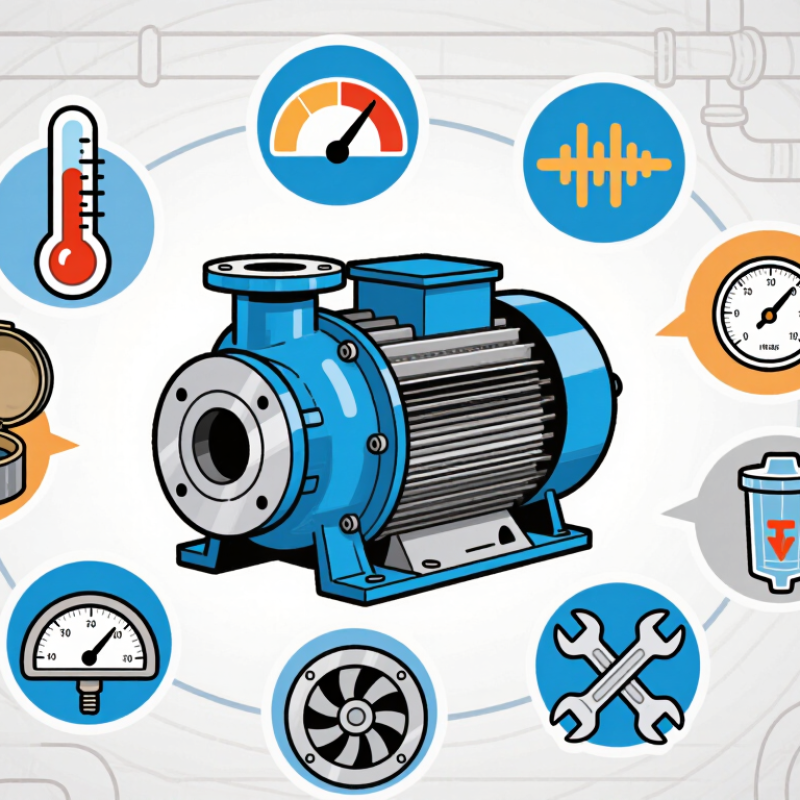
Top 10 Ways to Handle Pump Overheating Issues?

Identify the Symptoms and Severity of Pump Overheating

A pump rarely overheats without warning. The casing may feel unusually hot, while vibration, rattling, or a burnt insulation smell appears nearby. Seal leakage often increases as temperatures rise. Watch the motor current too. A sudden increase can indicate overload, blocked discharge, or misalignment. A sudden decrease may suggest dry running or loss of liquid.

Measure temperature with an infrared device, not your bare hand. Record the casing, bearing housing, and motor temperatures at the same operating points. Compare them with the equipment manual and previous readings. According to the U.S. Department of Energy’s Improving Pumping System Performance sourcebook, pumping systems can consume about 25% of industrial facility electricity. Small efficiency losses can therefore become costly heating problems. The report also emphasizes correcting system conditions, not merely replacing components.

Severity depends on speed and evidence. A slowly rising temperature with normal vibration may require controlled inspection. Rapid heating, smoke, severe noise, visible seal damage, or repeated trips requires immediate shutdown under site procedures. Cavitation often sounds like gravel inside the pump. Blocked suction, low liquid level, and inadequate NPSH should be checked. ANSI/HI 9.6.3 guidance supports evaluating NPSH margin during this investigation. Do not assume the pump itself caused the heat. Misalignment, closed valves, incorrect rotation, and excessive throttling can create similar symptoms. I have seen teams blame bearings too early. Trend data usually tells a less convenient story.

Check Fluid Levels, Flow Rate, and Operating Conditions

Pump overheating often begins with a simple fluid problem. Check the reservoir before adjusting anything. A low level can expose the suction line and create air pockets. Confirm that the fluid matches the equipment’s operating requirements. Wrong viscosity increases resistance and heat.

Look closely at the fluid, too. Cloudiness, foam, metal particles, or a burnt odor deserve attention. Measure the actual flow rate instead of trusting the control setting. A partially closed valve, blocked filter, or damaged impeller can restrict flow. Record suction and discharge pressure with calibrated gauges. Small changes matter. Do not ignore unusual noise or vibration.

Operating conditions may be the hidden cause. Avoid dry running, repeated starts, and long periods at deadhead pressure. Check whether the motor is overloaded or poorly aligned. Keep cooling fins, vents, and surrounding air paths clean. Measure ambient temperature near the pump, not across the room. An infrared reading can reveal a hot bearing, seal area, or casing. I have found quick checks helpful, but they can create false confidence. One normal temperature reading does not prove the system is healthy. Recheck after the pump reaches its normal workload. If overheating continues, stop operation safely and ask a qualified technician to inspect the pump, piping, and controls together.

Top 10 Ways to Handle Pump Overheating Issues

Check fluid levels, flow rate, and operating conditions first. The priority scores below represent a practical troubleshooting order, with higher scores indicating checks that should normally be performed earlier.

Begin with fluid level, suction conditions, discharge flow, and valve position. Then inspect filters, bearings, alignment, seals, motor load, and the operating temperature. Always compare final readings with the pump manufacturer's operating limits.

Inspect Cooling Systems, Seals, Bearings, and Lubrication

Pump overheating usually announces itself before a major failure, through heat, noise, leakage, or unstable performance. In practical maintenance, start by recording discharge temperature, flow, pressure, and motor current. Compare readings with the pump’s normal operating range. A blocked strainer, closed valve, or restricted pipe can force heat into the casing. Check cooling jackets, fans, vents, and water lines for scale, dirt, or weak flow. Clean carefully. Do not guess.

Inspect seals for drips, hardened faces, scoring, or unusual vapor. A small leak can remove lubrication and invite contamination. Check bearing housings for discoloration, rough rotation, noise, and excessive play. Infrared readings help, but they cannot replace a hands-on inspection. Verify shaft alignment and coupling condition, because misalignment loads bearings quickly. It is easy to blame the bearing alone. That assumption is often wrong.

Use the specified lubricant, correct quantity, and suitable relubrication interval. Too much grease can raise temperature as seriously as too little. Check oil level, color, viscosity, and signs of water or metal particles. Replace contaminated lubricant before testing again. Confirm that the pump is not running dry, cavitating, or operating far from its best efficiency point. Record every reading after repair. Maintenance notes are not always perfect, and early temperature trends can be missed. A second inspection after several hours may reveal a hidden problem. If temperature continues rising, isolate the equipment and follow site safety procedures before deeper troubleshooting.

Top 10 Ways to Handle Pump Overheating Issues? - Inspect Cooling Systems, Seals, Bearings, and Lubrication

No. Inspection Area Common Overheating Cause What to Check Typical Indicator Recommended Action
1 Cooling System Blocked air passages, dirty cooling fins, failed fan, or insufficient ventilation can prevent heat from leaving the motor and pump. Inspect fan guards, cooling fins, ventilation openings, and ambient airflow. Remove dust, debris, and obstructions. Motor housing temperature rises while airflow is weak or restricted. Clean the cooling path, restore airflow, and replace damaged cooling fans or guards.
2 Motor Load Operation above the rated duty point, excessive discharge pressure, or an undersized motor may cause sustained overload. Compare running current, pressure, flow, and speed with the equipment nameplate and design operating point. Running current exceeds the motor nameplate full-load current or overload protection trips. Reduce hydraulic load, correct the operating point, or use a properly sized motor.
3 Suction Conditions Restricted suction piping, low liquid level, clogged strainers, or excessive suction lift can cause cavitation and heat generation. Check suction pressure, valve position, liquid level, strainer condition, and piping for leaks or air entry. Crackling noise, vibration, unstable flow, and fluctuating pressure. Clean strainers, open valves fully, eliminate air leaks, and maintain adequate available NPSH.
4 Mechanical Seals Dry running, incorrect seal installation, incompatible materials, or inadequate flushing can create friction and localized overheating. Inspect for leakage, discoloration, damaged faces, blocked flush lines, and correct seal setting. Visible leakage, burnt odor, scoring, or heat marks around the seal chamber. Stop dry running, restore flush flow, and replace damaged or incorrectly installed seals.
5 Bearings Worn, misaligned, contaminated, or incorrectly lubricated bearings increase friction and transfer heat into the pump housing. Measure vibration and bearing temperature; listen for rumbling, grinding, or abnormal noise. Temperature trend increases, often with elevated vibration or rough running noise. Correct alignment, remove contamination, and replace bearings showing damage or excessive play.
6 Lubrication Too much grease, too little lubricant, incorrect viscosity, or mixed incompatible greases can increase churning and friction. Verify lubricant type, quantity, relubrication interval, oil level, and evidence of leakage or contamination. Grease purging, foaming oil, darkened lubricant, or rapid temperature increase after lubrication. Follow the equipment manual for lubricant quantity and interval; avoid over-greasing.
7 Shaft Alignment Angular or parallel misalignment between the pump and driver increases coupling forces, bearing load, and mechanical heat. Check coupling condition, soft foot, shaft alignment, baseplate condition, and pipe strain. High axial or radial vibration, coupling wear, and repeated bearing or seal failures. Realign the shafts using an appropriate precision alignment method and correct soft foot.
8 Electrical Supply Low voltage, voltage imbalance, phase loss, loose connections, or incorrect frequency can increase motor current and heat. Measure line voltage, phase balance, current on all phases, terminals, and protective-device settings. Unequal phase current, humming, nuisance trips, or motor temperature above normal. Repair connections, correct the supply problem, and verify overload protection settings.
9 Operating Temperature High ambient temperature, hot process fluid, inadequate cooling water, or operation outside the specified temperature range may cause overheating. Record ambient, fluid, bearing, seal, and motor temperatures under stable operating conditions. Temperature remains high even when load and mechanical condition appear normal. Improve ventilation or cooling capacity and confirm that materials and lubricants suit the temperature.
10 Monitoring and Maintenance Overheating may go unnoticed when temperature, vibration, current, and leakage trends are not recorded consistently. Establish baseline readings and trend temperature, vibration, current, pressure, flow, and seal leakage. Gradual increases from the established baseline before a visible failure occurs. Use routine inspections, infrared checks, vibration analysis, and planned corrective maintenance.
Safety note: Isolate, lock out, and verify zero energy before inspecting or servicing a pump. Temperature limits and alarm settings must follow the equipment manufacturer’s specifications and the application requirements.

Correct Electrical, Mechanical, and Installation Problems

Top 10 Ways to Handle Pump Overheating Issues

Correct electrical problems before adjusting the pump. Measure voltage at the terminals while the motor runs. Low voltage increases current and creates damaging heat. Check phase balance on three-phase systems. Tighten loose terminals, inspect damaged cables, and verify overload protection. A wrong setting can leave the motor unprotected. Never guess from sound alone. Record current readings and compare them with the equipment’s rated values.

Mechanical checks reveal quieter causes. Confirm shaft alignment between the motor and pump. Misalignment can heat bearings within hours. Inspect bearings for noise, vibration, or unusual grease leakage. Use the specified lubricant, and avoid overfilling. Remove debris from the impeller, strainer, and discharge path. A partially blocked passage makes the motor work harder. Check for a closed valve or excessive system resistance. Small restrictions matter.

Installation conditions also deserve careful attention. Ensure the suction pipe is short, supported, and sealed against air leaks. Keep the pump flooded when the design requires it. Poor suction conditions can cause cavitation, which sounds like gravel inside the casing. Provide clear ventilation around the motor and protect it from direct heat. Check the base for movement and loose anchor bolts. I have seen technicians replace motors before finding a blocked strainer. That mistake wastes time and money. Use a qualified technician for live electrical testing, and follow the applicable safety requirements. Fresh measurements are more reliable than assumptions.

Test the Pump and Establish Preventive Maintenance Practices

Pump overheating rarely begins with smoke or a sudden shutdown. It often starts with a warm bearing, weak flow, or unusual vibration. A careful test can reveal the cause before serious damage occurs.

Isolate the power supply before inspection. Check the suction and discharge pressures, motor current, flow rate, and casing temperature. Compare each reading with the pump’s operating records.

A blocked strainer may reduce flow, while a closed valve can make heat build quickly. Inspect the coupling, shaft alignment, bearings, mechanical seal, and lubrication level.

Listen closely. A dry bearing often produces a sharp, uneven sound. Infrared temperature checks can locate hot spots around the housing. Never trust one reading alone.

Preventive maintenance should match the pump’s workload, fluid, and environment. Operators can record temperature, pressure, noise, and vibration during each shift.

Weekly checks may include cleaning strainers and checking leaks. Monthly inspections should examine alignment, fasteners, electrical connections, and bearing condition.

Replace damaged seals before leakage reaches the motor. Keep a simple maintenance log with dates and actual readings. Patterns matter more than isolated numbers.

Small details are easy to miss. I have seen a clean-looking pump overheat because its suction line had a hidden restriction. A maintenance schedule can also fail when no one owns the task. Review the records with the operating team, question abnormal changes, and adjust inspection intervals when conditions change. Some assumptions will be wrong. Test them.

FAQS

What fluid problems can make a pump overheat?

Low fluid can expose the suction line and create air pockets. Wrong viscosity adds resistance and heat. Check the reservoir and fluid condition.

Which fluid warning signs need attention?

Cloudiness, foam, metal particles, or a burnt odor may indicate trouble. Do not dismiss unusual fluid changes.

Why should actual flow rate be measured?

A control setting may not show real flow. A blocked filter, restricted valve, or damaged impeller can reduce circulation.

What operating habits increase overheating risk?

Avoid dry running, repeated starts, and long operation at deadhead pressure. These conditions can raise heat quickly.

How can electrical faults cause motor overheating?

Measure voltage at the terminals while the motor runs. Low voltage increases current. Check phase balance, cables, terminals, and overload settings.

What mechanical parts should be inspected?

Check shaft alignment, bearings, grease leakage, the impeller, and the discharge path. Misalignment can heat bearings within hours.

How do installation conditions affect pump temperature?

Seal the suction pipe against air leaks and support it properly. Keep required pumps flooded. Poor suction can cause gravel-like cavitation noise.

Can one normal temperature reading prove the pump is healthy?

No. A single reading can create false confidence. Recheck after normal workload begins, and compare several measurements.

What should be done if overheating continues?

Stop operation safely and request qualified inspection. The pump, piping, controls, and electrical system should be checked together. Fresh measurements help, but assumptions still fail.

Conclusion

How to handle pump overheating issues begins with identifying warning signs such as unusual noise, excessive vibration, rising surface temperature, reduced flow, or repeated shutdowns. Assess the severity before taking action, then check fluid levels, flow rate, pressure, viscosity, and operating conditions to ensure the pump is working within its intended range. Blockages, restricted valves, poor fluid quality, or continuous operation beyond capacity can quickly increase heat.

Next, inspect cooling systems, seals, bearings, and lubrication for damage, contamination, or insufficient maintenance. Electrical problems, incorrect voltage, overloaded motors, misalignment, worn components, and improper installation should also be corrected. After adjustments, test the pump under normal conditions and monitor temperature, vibration, pressure, and flow to confirm stable performance. A preventive maintenance plan should include regular cleaning, lubrication, inspections, electrical checks, and accurate operating records. These steps help locate the root cause, prevent recurring overheating, extend equipment life, and improve overall pumping reliability.

Liam

Liam

Liam is a dedicated marketing professional with a profound expertise in the industry, where he excels at highlighting the unique advantages of our core products. With a keen understanding of market trends and consumer needs, Liam frequently updates our company’s professional blog, providing......