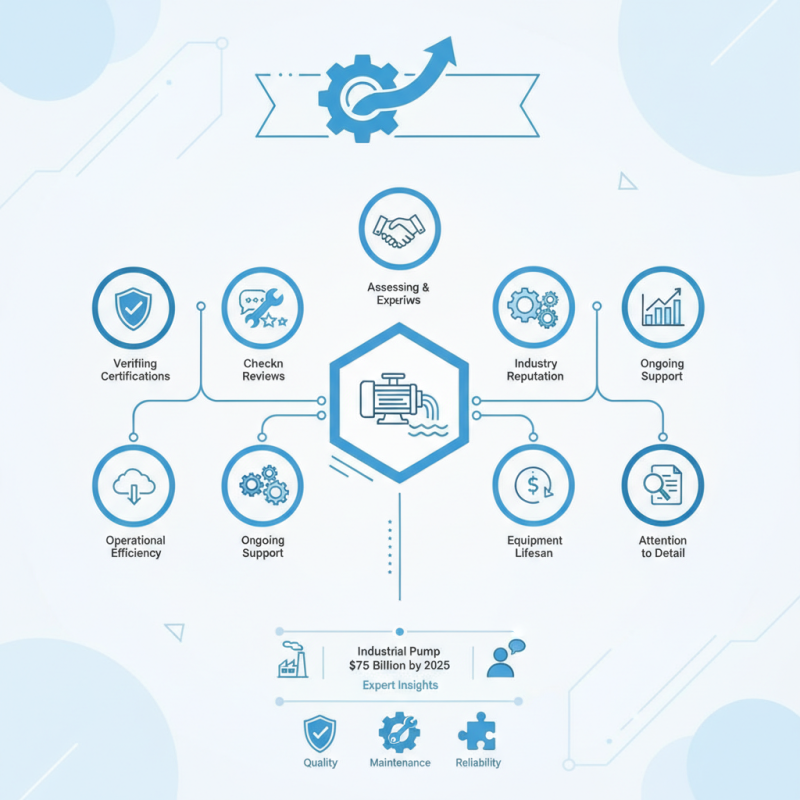
Choosing a reliable industrial pump supplier is crucial for various industries. According to a report by the Global Pump Market, the industrial pump sector is expected to reach $75 billion by 2025. This growth emphasizes the need for careful selection. An expert in the field, John Smith, emphasizes, “Quality suppliers not only provide pumps but also offer ongoing support.”
In this competitive market, it's vital to understand key factors in supplier selection. Reliable suppliers ensure proper parts availability and maintenance services. Furthermore, assessing a supplier's industry reputation can prevent costly mistakes. Inconsistent pump performance might stem from poor supplier choices.
Investing time to learn how to choose a reliable industrial pump supplier is essential. Verify certifications, check reviews, and assess technical expertise before making a decision. These factors spotlight reliability and superiority in the long run. Attention to detail in the selection process can lead to higher operational efficiency and longer equipment lifespan.
Choosing the right industrial pump supplier starts with clarity about your specific needs. Every application varies and the right pump should meet your exact specifications. Common factors include flow rate, pressure, and the type of fluid being moved. According to a recent industry report, nearly 40% of pump failures relate to mismatched specifications. This emphasizes the need to define your requirements accurately.
Consider these tips: Always communicate the operational conditions clearly. Discuss your system's pressure and temperature range. Evaluate the materials compatible with your fluid to avoid corrosion or contamination. A supplier's expertise in various applications can be a crucial factor. Their understanding can prevent costly downtime.
Additionally, reviewing technical documentation is vital. This ensures that the supplier meets industry standards. Many suppliers offer certifications that reflect their reliability and capability. Make sure to ask about after-sales support, warranty policies, and maintenance options. These aspects are essential for long-term performance and reliability. After all, the potential for unexpected repairs can significantly impact your budget.
When researching potential industrial pump suppliers in China, start by evaluating their experience. Look for companies with a solid track record. A long history in this field often means better reliability and expertise. Examine their industrial certifications and standards. This can reveal their commitment to quality and safety.
Visit their websites and review customer testimonials. Authentic feedback offers insight into their reliability. Reach out to past clients if possible. Their experiences can highlight strengths and weaknesses of each supplier. A well-reputed supplier usually shares detailed case studies that illustrate their capabilities.
It is also essential to assess their customer service. Are they responsive to inquiries? A supplier with poor communication can lead to misunderstandings. Take note of how they address concerns. This will affect future dealings. Don’t be afraid to ask tough questions about product warranties and support. Finding a reliable supplier may take time but careful research pays off.
| Criteria | Details |
|---|---|
| Experience and Expertise | Look for suppliers with extensive experience in the industry and a proven track record of successful projects. |
| Product Range | Choose suppliers that offer a wide range of industrial pumps to meet your specific needs. |
| Quality Assurance | Ensure that the supplier has relevant quality certifications (e.g., ISO 9001) and a quality control process in place. |
| Customer Reviews | Research customer feedback and reviews to gauge the reliability and performance of the supplier's products. |
| After-Sales Service | Check if the supplier offers comprehensive after-sales support, including maintenance and repair services. |
| Price Competitiveness | Compare prices among different suppliers to ensure you get value for money without compromising quality. |
| Technical Support | Assess the level of technical support available for troubleshooting and installation assistance. |
| Delivery and Lead Times | Evaluate the supplier's ability to deliver products on time and their logistics capabilities. |
| Location and Proximity | Consider choosing a supplier that is geographically closer to reduce shipping time and costs. |
Evaluating a supplier’s reputation and customer reviews is crucial when choosing an industrial pump supplier. Around 78% of companies rely on online reviews as much as personal recommendations. This statistic highlights the importance of gathering insights from various sources. Industry-specific platforms provide user-generated feedback that can reveal strengths and weaknesses.
When examining reviews, focus on recent feedback. Products change over time, and older reviews might not reflect current offerings. Look for patterns in customer experiences. For instance, consistent complaints about service delays indicate potential reliability issues. A supplier’s track record can significantly impact business operations.
Check for industry certifications and awards. Validations from professional organizations reinforce a supplier's credibility. Seek testimonials from businesses in your field. Real-world examples add depth to your evaluation. Be cautious of overly positive reviews. They can be misleading and lack balance. A supplier with transparent feedback, including constructive criticism, shows credibility. This willingness to improve fosters trust and long-term relationships.
Incorporating these insights into your evaluation process can help identify the most reliable industrial pump suppliers. Overall, careful consideration of reputation and customer experiences is key to making informed decisions.
When selecting an industrial pump supplier, understanding quality standards is crucial. Research shows that over 40% of pump failures result from poor quality manufacturing. Thus, certifications like ISO 9001 or API 610 are vital indicators of reliability. These certifications ensure the supplier follows a structured quality management process.
Pumps should meet specific industry standards. The Hydraulic Institute and others provide performance and design criteria. A supplier's compliance with these standards signifies a commitment to quality. Additionally, consider third-party testing reports. Recent data indicates that 58% of suppliers with third-party validations experience fewer warranty claims.
Evaluating a supplier’s quality control measures is essential. These can include routine tests and inspections during production. It’s advisable to inquire about their testing history. Transparency in quality assurance boosts trustworthiness. Ultimately, suppliers who prioritize quality standards are more likely to provide durable, reliable pumps.
When selecting an industrial pump supplier, comparing
pricing,
warranty, and after-sales support is crucial. A recent
industry report indicated that over 30% of buyers
prioritize price
over quality. However, the lowest price often translates to hidden costs later.
Understanding total cost of ownership is essential.
Consider not just the pump’s price but maintenance costs,
operational efficiency, and the pump’s lifespan.
Warranty options should be examined thoroughly. Suppliers that offer
extensive warranties may demonstrate confidence in their products.
A study found that pumps with five-year warranties had lower failure rates.
This reflects not only reliability but also the manufacturer's commitment
to quality. Always read the fine print. Some warranties require specific
maintenance schedules or exclusions.
After-sales support can make a significant difference. Support options
vary widely among suppliers. Check if they provide on-site assistance,
a dedicated helpline, or online resources.
A survey showed that companies with strong after-sales support retain 60% more clients.
Investing time to assess these features is vital, as they can influence
the overall pump performance. Think critically about your choices and
how each factor impacts your operations.
: Look for suppliers with experience and a solid reputation. Check their certifications and history.
Read testimonials on their website and consider reaching out to past clients. Recent reviews are crucial.
Certifications indicate adherence to quality standards. They can demonstrate a supplier's reliability and commitment to safety.
Check for compliance with industry standards and review their quality control measures. Ask about testing history.
Good communication is key. Poor response rates can lead to misunderstandings and future issues.
Products change, so recent feedback is more relevant. Look for trends and patterns in customer experiences.
Be cautious. They may lack balance. Look for feedback that includes some critical aspects.
Investigate further. Consistent complaints about service delays could indicate reliability issues.
It shows transparency and a commitment to improvement, fostering trust in their relationship with clients.
Conduct thorough research, assess quality, gather customer feedback, and evaluate supplier credentials carefully.
When considering how to choose a reliable industrial pump supplier, it is crucial to start by understanding your specific needs and specifications. This foundational knowledge will guide your search and ensure you select a supplier that aligns with your operational requirements. Next, thorough research into potential suppliers in China is essential. Investigate their reputations through customer reviews and testimonials to gauge their reliability and service quality.
Additionally, assessing the quality standards and certifications of the pumps they offer is vital for ensuring compliance and durability. Finally, comparing pricing, warranty, and after-sales support options will help you make an informed decision. By following these steps, you can confidently choose a reputable industrial pump supplier that will meet your needs effectively.

Tongyi Machinery