Understanding the lifespan of industrial pumps is crucial for industries that rely on these vital machines. As industry expert John Smith states, "What is the lifespan of a typical industrial pump is often dependent on proper maintenance." This quote highlights the importance of regular care in extending a pump's operational life.
Typically, an industrial pump can last anywhere from 5 to 15 years. However, this range varies based on several factors. The type of fluid being pumped, operational conditions, and installation methods play significant roles. For instance, pumps in corrosive environments may deteriorate faster than those in benign settings. Moreover, the quality of materials used in construction greatly impacts durability.
Investing in high-quality pumps is wise, but it is equally important to monitor their performance continuously. Failure to do so can lead to unexpected breakdowns, causing operational disruptions. Therefore, understanding what affects the lifespan of a typical industrial pump is essential for planning maintenance schedules and replacement cycles. Awareness of these factors can help industries optimize their operations and reduce costs.
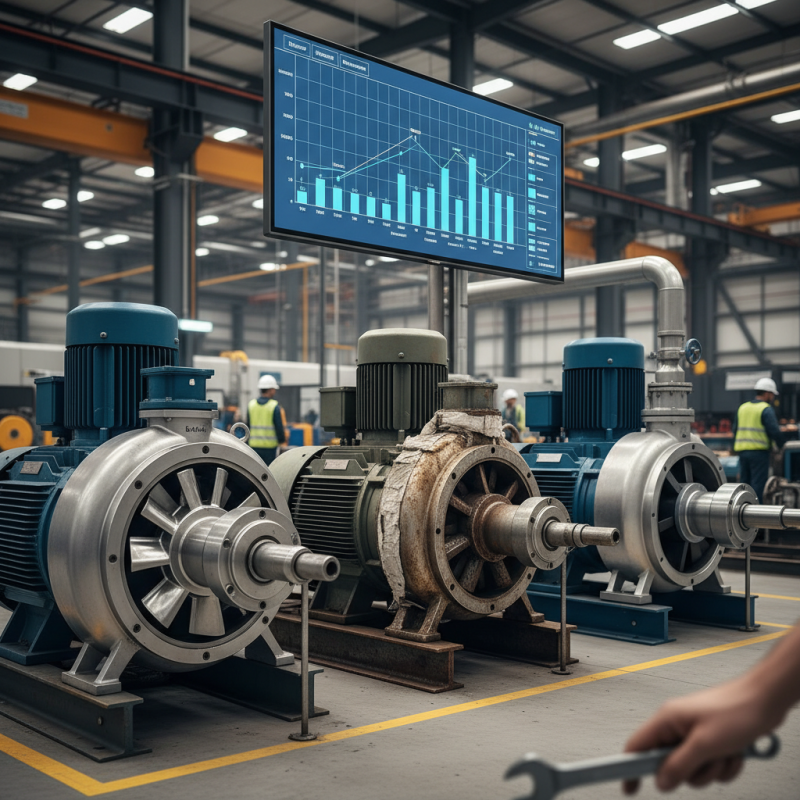
Understanding the lifespan of industrial pumps is crucial for optimal performance. Industry reports indicate that proper maintenance can extend a pump's lifespan by up to 30%. Key factors influencing durability include material quality, operating conditions, and maintenance practices. For instance, pumps made from high-grade stainless steel generally resist corrosion better than those made from lower-grade materials.
When considering operating conditions, temperature variations can significantly impact pump lifespan. Extreme temperatures may cause components to wear out faster. Reports suggest that a consistent temperature control can reduce wear and improve longevity. This observation highlights the importance of monitoring operational environments closely.
Tips for enhancing pump lifespan: Regularly inspect seals, bearings, and other components. A small leak can lead to major issues over time. Implementing a routine maintenance schedule is essential. Keep detailed records of service history; this data can reveal patterns that may indicate potential problems. In contrast, neglecting these practices can result in unexpected downtime and costly repairs. Reflect on the importance of reliable maintenance; it is often overlooked.
Misconceptions about industrial pump lifespan can lead to costly mistakes. Many believe that all pumps have a standard operational life. In reality, the lifespan of an industrial pump varies significantly based on usage, maintenance, and environmental conditions. A report by the Hydraulic Institute indicates that proper maintenance can increase a pump’s lifespan by up to 50%. This emphasizes the importance of regular inspections and timely repairs.
Another common misunderstanding is that the cost of a pump reflects its reliability. While lower-priced pumps may seem economical, they often lack durability. A study by the Pump Systems Matter shows that inadequate pump selection can reduce system efficiency by 10% to 30%. Thus, investing in a quality pump and understanding its operation plays a crucial role in maximizing its lifespan.
Additionally, operators sometimes fail to recognize the need for proper training. Research indicates that over 60% of pump failures are attributed to operator error. Regular training sessions can mitigate this risk. A knowledgeable team can identify issues early and optimize pump performance. Addressing misconceptions and fostering a culture of continuous improvement is essential for maintaining industrial pump health.
Industrial pumps are critical components in many industries. Understanding maintenance practices can significantly extend their lifespan. Regular maintenance is essential to preventing premature failure. Small issues often escalate if not addressed promptly.
One effective tip is to implement routine inspections. Check for leaks, unusual noises, and vibration. These signs often indicate underlying issues. Keeping a maintenance log helps track the condition over time. Regular monitoring fosters early detection of potential problems.
Ensure lubrication is adequate. Proper lubrication reduces friction and heat, which can lead to pump damage. Skipping lubrication tasks can lead to wear and tear. Additionally, training staff on proper operating procedures enhances safety and efficiency. Engaging operators in daily checks promotes accountability. Small, consistent actions often prevent larger failures down the line.
When assessing the lifespan of industrial pumps, recognizing signs of wear and tear is essential. Routine inspections can reveal critical issues like leaks, unusual noises, and vibrations. These indicators often suggest that components such as seals or bearings are beginning to fail. Ignoring these signs can lead to costly downtime and extensive repairs.
Tips: Regularly monitor the pump's performance parameters. If you notice any fluctuations, it may indicate underlying problems. Keeping a detailed log of inspections will help you track any changes over time.
Pay attention to pressure readings. A sudden drop can signal pump wear or a blockage in the system. Consistent measurements allow for early detection of issues. This proactive approach extends the pump's lifespan and ensures reliable operation.
Inspecting for corrosion is also key. Rust and deterioration weaken structural integrity. Even minor surface issues can worsen if not addressed. Use protective coatings to mitigate this issue. Regular maintenance schedules can catch these problems before they escalate.
Choosing the right pump can significantly impact its lifespan in industrial applications. According to a report by the Hydraulic Institute, poorly chosen pumps can lead to a 30% decrease in efficiency, resulting in premature wear and tear. Selecting pumps that match system requirements is crucial. Oversized or undersized pumps often face operational strains, leading to leaks and failures.
Tips: Regular maintenance extends pump life. Implementing a routine schedule can help identify problems early, such as unusual vibrations or overheating. Monitoring these signs helps prevent costly downtime.
Material selection also plays a vital role. Pumps made from incompatible materials may corrode quickly in harsh environments. The American Society of Mechanical Engineers suggests using corrosion-resistant materials where necessary. This choice can double the lifespan of a pump, saving substantial maintenance costs.
Tips: Training staff on pump operation is essential. Knowledgeable operators can better recognize inefficiencies and adjust operations as needed. Empowering your team with this expertise leads to better pump management.
: Proper maintenance can increase a pump’s lifespan by up to 50%. Regular inspections are crucial.
Ignoring inspections can cause small issues to escalate into costly failures and downtime.
Not necessarily. Cheaper pumps may lack durability and reduce system efficiency by up to 30%.
Over 60% of pump failures are due to operator error. Training can drastically reduce this risk.
Look for leaks, unusual noises, vibrations, or pressure drops. These can signal serious issues.
Keeping a maintenance log and tracking performance parameters helps identify changes over time.
Adequate lubrication reduces friction and heat, preventing wear. Skipping this can lead to extensive damage.
Corrosion weakens the pump's structure. Even minor rust can escalate if not addressed quickly.
Engage operators in daily checks and provide training on proper procedures to enhance safety.
Ignoring wear can lead to serious malfunctions and costly repairs down the line. Regular checks are essential.
The lifespan of a typical industrial pump can vary significantly based on several key factors, including the quality of materials, operating conditions, and maintenance practices. Understanding what influences durability is crucial for maximizing the operational life of pumps. Common misconceptions often lead to unrealistic expectations regarding lifespan; thus, it is important to clarify these points to ensure informed decisions.
To extend the lifespan of industrial pumps, regular maintenance is essential. Adopting best practices can prevent premature wear and help operators identify signs of wear and tear that indicate when a replacement is necessary. Moreover, selecting the right pump designed for specific industrial applications can significantly enhance longevity, ensuring reliable performance in demanding environments.

Tongyi Machinery