Calculating the required pump flow rate is crucial in various industries, including agriculture and water management. Accurate calculations ensure the system operates efficiently and effectively. Many factors influence flow rates, such as system design and maximum lift. Understanding these elements is vital.
When figuring out the pump flow rate, consider the specific application. A pumping system's demands can vary significantly, impacting your calculations. Recognizing your needs can prevent costly mistakes. Sometimes, users underestimate or overestimate their requirements, leading to inefficiencies.
Being confident in how to calculate the required pump flow rate requires practice and knowledge. Use reliable resources and expert advice to guide your calculations. Consult with professionals if uncertainty arises. Mistakes can be expensive in the long run. Developing a deeper understanding is essential for better decision-making.
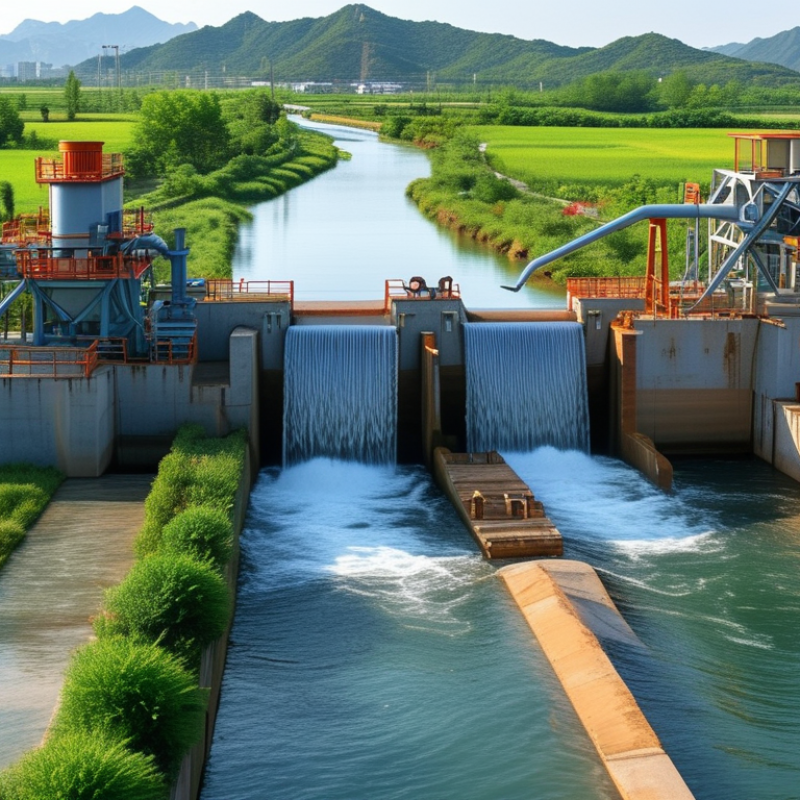
Understanding pump flow rate is crucial for efficient operation in various industrial applications. Flow rate measures how much fluid a pump can move within a certain period. For instance, a report from the Hydraulic Institute indicates that varying specifications often determine pump performance. In some cases, flow rates can change with temperature and fluid viscosity. These factors make consistent evaluation imperative.
To accurately calculate flow rates, understanding key variables is necessary. The pump’s design, efficiency, and operational conditions impact its performance. According to a study by the American Society of Mechanical Engineers, small errors in measurement can lead to significant inefficiencies. An experienced technician may account for these variations when assessing pump systems.
Real-world data shows that regular monitoring can enhance pump life by up to 20%. Inadequate flow can lead to cavitation, damaging the pump. It's essential to refine calculation methods to avoid pitfalls. Utilizing sensors and advanced metrics often brings more accuracy. However, not every facility adopts this technology, leading to potential oversights in maintenance strategies.
Calculating pump flow rate is essential for ensuring optimal performance in various applications. Several key factors heavily influence the accuracy of these calculations.
System head, fluid density, and viscosity play crucial roles. According to the Hydraulic Institute, variations in fluid properties can lead to significant deviations in flow rate predictions.
Tip 1: Always account for the total dynamic head (TDH). This affects how effectively the pump will operate. If not included, you may underestimate the required flow rate.
Fluid properties, such as temperature and pressure, also impact calculations. They can alter density, affecting flow behavior. For instance, a change in temperature might lower viscosity, leading to increased flow.
Studies indicate that even slight temperature fluctuations can alter viscosity by up to 10%.
Tip 2: Conduct regular flow tests. Real-world conditions can differ significantly from theoretical models. By testing, you can adjust for unexpected variables.
Piping design is another vital consideration. The length and diameter of the pipes can create friction losses, impacting flow rate.
Research suggests that a 10% increase in pipe diameter can improve flow capacity significantly.
Tip 3: Use reliable measurement tools. Inaccurate instruments can skew results, leading to costly mistakes in pump selection and operation. Always prioritize precision when measuring.
Accurately measuring pump flow rate is crucial for ensuring efficiency. Start by selecting the right method. A simple approach is using a flow meter or a container to measure the discharge over a set time. Make sure to position the pump correctly to avoid any air pockets. Air can disrupt measurements.
Next, record the time it takes to fill your container. For better accuracy, repeat this several times. This helps account for any variations in flow. If you're using a flow meter, calibrate it based on manufacturer guidelines. Remember, even slight inaccuracies can lead to bigger issues down the line.
Don’t overlook environmental factors. Temperature and viscosity play a significant role. They can affect the fluid's behavior. Aim for consistent conditions during your measurements. Lastly, analyze your findings critically. Identifying outliers and trends can help refine your process. This reflection can lead to better outcomes in future calculations. Proper flow rate measurement is a blend of science and observation.
This chart displays the flow rates associated with the top 10 tips for calculating pump flow rate. Each tip corresponds to a specific flow rate, showcasing variations in measurements based on different methodologies.
Calculating pump flow rate is essential for efficient operations. Understanding the common formulas can significantly impact performance. One widely used formula is Q = A × V. Here, Q stands for flow rate, A represents the cross-sectional area, and V is the velocity of the fluid. This simple equation highlights the direct relationship between these variables.
Another important formula is Q = (πd²/4) × V, where d is the diameter of the pipe. This equation emphasizes that even small changes in diameter can influence flow rates. Correct measurements and units are crucial. Miscalculations can lead to inefficiencies and increased operational costs.
Some professionals overlook the effects of fluid properties. Viscosity and density can alter flow rates significantly. It’s essential to factor in these variables to achieve accurate results. Regularly reviewing and adjusting calculations based on real-world conditions can yield better outcomes. Emphasizing the importance of these details fosters a deeper understanding of pump operations.
| Tip | Description | Common Formula |
|---|---|---|
| Know Your Pump Type | Understand whether you are dealing with centrifugal or positive displacement pumps. | N/A |
| Determine Head Loss | Calculate the total dynamic head (TDH) to assess the energy needed to move fluid. | TDH = Static Head + Friction Loss + Velocity Head |
| Flow Rate Units | Ensure you are using consistent units (liters per minute, gallons per hour, etc.) | N/A |
| Pump Efficiency | Factor in the efficiency of the pump which affects actual flow. | Actual Flow = Pump Flow Rate x Efficiency |
| Fluid Properties | Consider the viscosity and density of the fluid being pumped. | N/A |
| Calculate Required Flow | Identify the required flow rate based on the application needs. | N/A |
| Use a Flow Meter | Employ flow measuring devices to obtain accurate readings. | N/A |
| Monitor System Changes | Regularly check for changes in system head and flow rates. | N/A |
| Consult Pump Curves | Refer to the pump characteristic curves for flow prediction. | N/A |
| Perform Regular Maintenance | Ensure the pump is maintained to prevent any loss in efficiency. | N/A |
Accurate pump flow rate measurements are crucial for optimal performance. Here are some tips to enhance your accuracy.
Ensure you calibrate your flow meter regularly. This helps eliminate discrepancies. A system that is improperly calibrated can lead to significant measurement errors. Check for wear in components, as this can impact flow rate.
Consider temperature and pressure conditions when measuring flow. Changes can lead to variations in measurements. Use a consistent method for measuring time intervals. This consistency can help reduce variability in your data.
Pay attention to fluctuations in flow. Sudden changes may signal an underlying issue. Document your findings diligently. This practice helps identify trends and ensures reliability over time. Keep in mind that accuracy is an ongoing process that requires vigilance and adjustment.
: The pump flow rate measures how much fluid a pump can move in a specific time.
Accurate flow rate measurement ensures efficient pump operation and prevents damage.
Use a flow meter or container to measure discharge over a set period.
Temperature, viscosity, pump design, and air pockets can all impact measurement accuracy.
Regular calibration is necessary to eliminate discrepancies and ensure accurate measurements.
Sudden changes may indicate issues; investigate these fluctuations promptly.
Use a standard method for time intervals and analyze data critically.
It can enhance pump life and prevent issues like cavitation.
Documenting findings helps identify trends and ensures long-term reliability.
Changing temperatures and pressures can lead to variability in flow measurements.
Understanding how to calculate the required pump flow rate is essential for ensuring optimal performance in various applications. The process begins with a comprehensive overview of pump flow rate, highlighting key factors like fluid properties, system design, and operational conditions that influence the calculations.
To achieve accurate measurements, a step-by-step guide is outlined, detailing essential techniques and considerations for measuring pump flow rate effectively. Common formulas are provided to facilitate calculations, ensuring that users can apply the right methods based on their specific needs. Finally, several tips emphasize the importance of precision in measurements, helping to achieve reliable and efficient pump performance.

Tongyi Machinery