Understanding "How does a vacuum pump work in industrial settings" is crucial for many industries. Dr. Emily Carter, a leading expert in industrial vacuum technology, states, “Proper utilization of vacuum pumps can significantly enhance production efficiency.” This highlights the importance of vacuum pumps in manufacturing processes.
In industrial environments, vacuum pumps play a vital role. They create a vacuum by removing air and gases from a system. This is essential for various applications, including packaging and material handling. Without vacuum pumps, certain processes would be inefficient or even impossible.
However, it is essential to understand that not all vacuum pumps are created equal. Different models serve specific needs. An inadequate choice can lead to operational challenges. Regular maintenance is also necessary to ensure optimal performance. Industry professionals must consider these factors carefully to achieve the desired results.
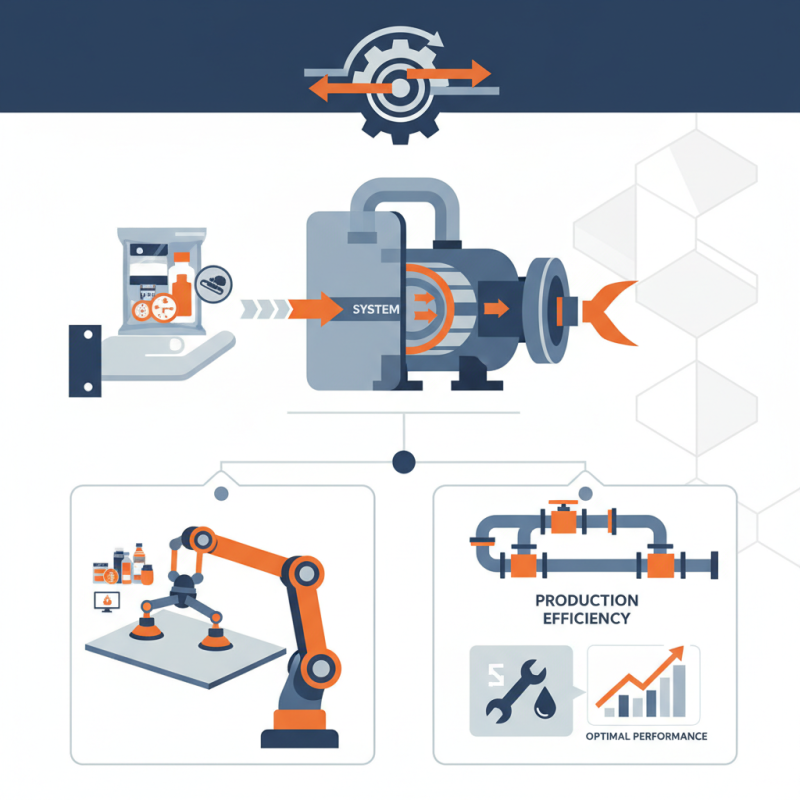
Understanding the Basics of Vacuum Pumps in Industrial Applications
Vacuum pumps are crucial in various industrial applications, including packaging, pharmaceuticals, and food processing. Understanding how they operate is vital for optimizing efficiency and maintaining operational standards. Many industries rely on vacuum technology to remove air and gas from sealed environments. Reports indicate that over 30% of manufacturing processes use vacuum pumps, emphasizing their importance in production lines.
In practical terms, a vacuum pump works by creating a lower pressure area, allowing gases to flow from higher pressure areas. This principle is essential in applications like freeze-drying and vacuum sealing. According to a recent data analysis, improving vacuum pump efficiency can enhance energy use by up to 25%. However, choosing the right type of vacuum pump for specific needs is often overlooked, leading to inefficiencies.
Many workers lack a proper understanding of vacuum systems. This gap can result in equipment that doesn’t meet process requirements. For example, a rotary vane pump may not perform well in high-temperature environments without proper heat management. Therefore, training and education on the function and maintenance of vacuum systems are crucial. Proper knowledge can prevent costly downtimes and enhance overall productivity in industrial settings.
Understanding Vacuum Pump Performance in Industrial Applications
Principles of Operation: How Vacuum Pumps Create a Low-Pressure Environment
Vacuum pumps are vital in various industrial applications. They operate by creating a low-pressure environment. This process relies on removing air and other gases from a sealed space. Most vacuum pumps use either positive displacement or momentum transfer methods. Both techniques help to maintain specific vacuum levels necessary for different processes.
Understanding the principles of operation helps to optimize performance. For instance, a recent study highlighted that maintaining a stable vacuum can improve product quality by 30%. However, achieving this stability requires careful monitoring. A vacuum pump must be regularly maintained to avoid efficiency drops. Minor leaks or misalignments can significantly impact performance.
In industries like food packaging and pharmaceuticals, consistent vacuum levels are crucial. Fluctuations can compromise the integrity of products. More than 40% of companies report issues related to vacuum level stability. Hence, having troubleshooting measures in place is essential. Operators should be trained to identify potential problems early. This proactive approach ensures continuous operation and reliability in production processes.
Types of Vacuum Pumps Commonly Used in Industrial Settings
In industrial settings, vacuum pumps play a crucial role in various applications. There are several types commonly used. These include positive displacement pumps, momentum transfer pumps, and entrapment pumps. Each type offers unique benefits suited for specific processes. For instance, positive displacement pumps are known for their ability to create high vacuum levels effectively.
According to industry data from the Vacuum Technology Association, over 60% of manufacturing facilities employ rotary vane or diaphragm pumps for consistent operations. These pumps are vital in processes like packaging, where maintaining a controlled environment is essential. Additionally, momentum transfer pumps, such as turbo molecular pumps, are often used in semiconductor manufacturing. They achieve ultra-high vacuum levels vital for lithography.
While vacuum pumps offer efficiency, challenges remain. Maintenance can be complex, requiring skilled personnel. Reports show that improper maintenance can lead to failures, affecting production timelines. Ensuring proper installation and regular servicing is essential but often overlooked. This oversight can result in lower productivity and increased costs for manufacturers.
Key Factors Influencing Vacuum Pump Efficiency and Performance
In industrial settings, the efficiency and performance of vacuum pumps hinge on several key factors. The design and construction materials of the pump play a critical role. Pumps made from durable materials can withstand high stress and prevent wear over time. This impact extends to maintenance. Regular checks on seals and gaskets ensure optimal function. Neglecting these can lead to leaks, reducing efficiency.
The operating environment also affects pump performance. Temperature and humidity levels can influence how well a pump performs. High temperatures can cause overheating, while excessive moisture may lead to corrosion. Additionally, the choice of pump type is vital. Different operations require specific vacuum levels. Selecting an appropriate model helps meet application needs effectively.
It’s essential to evaluate the system’s compatibility. A vacuum pump that isn’t suited for the application can lead to suboptimal results. Many users overlook the importance of understanding application requirements thoroughly. Ignoring this can cause inefficiencies. Regularly reviewing these factors contributes to long-lasting and reliable pump operations.
Applications of Vacuum Pumps Across Various Industries and Their Impact
Vacuum pumps play a crucial role in various industrial applications. They help create a vacuum, which is essential in processes like
packaging, food processing, and
semiconductor manufacturing. In medical fields, vacuum pumps assist in suctioning fluids
and managing surgical waste. This versatility highlights their impact across sectors.
Understanding how vacuum pumps work can greatly enhance their application.
Tip: Constantly monitor the pump’s performance to ensure efficiency. Any drop in performance can affect the entire production line.
It’s important to identify signs of wear and undertake regular maintenance.
Another tip involves understanding the specific requirements of each application. Different industries may need different
vacuum levels. For example, food packaging often requires a
higher level of vacuum to extend shelf life.
Consider these needs carefully to avoid errors and optimize results.
Using appropriate pumps for each job can enhance operational efficiency. Each industry can benefit from tailored solutions
that improve reliability and output.
FAQS
: Vacuum pumps are essential for packaging, pharmaceuticals, and food processing. They help create low-pressure environments.
They remove air and gases from sealed spaces, allowing gases to flow from high-pressure areas.
It helps optimize performance. Poor understanding can lead to inefficiencies and equipment that doesn’t meet process needs.
Common types include positive displacement, momentum transfer, and entrapment pumps. Each type serves specific applications.
Fluctuations can compromise product integrity. Many companies face issues linked to vacuum level stability.
Proper training prevents operational downtimes and enhances productivity. Operators can address potential problems before they escalate.
Maintenance can be complex and often overlooked. Improper upkeep leads to failures and increased production costs.
Regular maintenance and monitoring help enhance efficiency, potentially improving energy use by up to 25%.
Minor leaks or misalignments can severely impact performance, causing inefficiencies and disruptions in production.
Regular monitoring is crucial. It ensures stability and reliability in production processes, preventing costly mishaps.
Conclusion
Vacuum pumps play a crucial role in various industrial applications by creating low-pressure environments essential for numerous processes. Understanding how does a vacuum pump work in industrial settings requires familiarity with the principles of operation, which involve the removal of air and gases to establish a vacuum. This function is achieved through different types of vacuum pumps, each suited to specific requirements and efficiency needs.
Several factors influence the performance of vacuum pumps, including design, maintenance, and operational settings. The applications of vacuum pumps span multiple industries—such as food packaging, pharmaceuticals, and electronics—demonstrating their significant impact on improving production efficiency and product quality. By mastering these elements, industries can optimize their processes and enhance the effectiveness of vacuum systems in their operations.

 Tongyi Machinery