Top 10 Tips for Cleaning Industrial Pumps Safely

Time:2026-06-19 Author:Aria
0%

Cleaning industrial pumps is essential for maintaining their performance and longevity. However, many users struggle with how to clean industrial pumps without damaging parts. Proper techniques and careful practices can make a significant difference in preserving the functionality of these vital components.

In an industrial setting, pumps face tough conditions. Dust, grime, and chemical residues can accumulate over time. Regular cleaning helps to prevent failures and costly downtime. Yet, mishandling during cleaning can lead to damage. It is crucial to understand the right methods and tools to use. The goal is to keep the equipment running smoothly without compromising its integrity.

Employing safe cleaning methods can seem daunting. Each pump type may require different care. Familiarizing yourself with the specific requirements is key. Some may say trial and error is the best way to learn, but this can be risky. Instead, following expert advice ensures you protect your investment. Proper training and knowledge can lead to better maintenance practices and improved safety in the workplace.
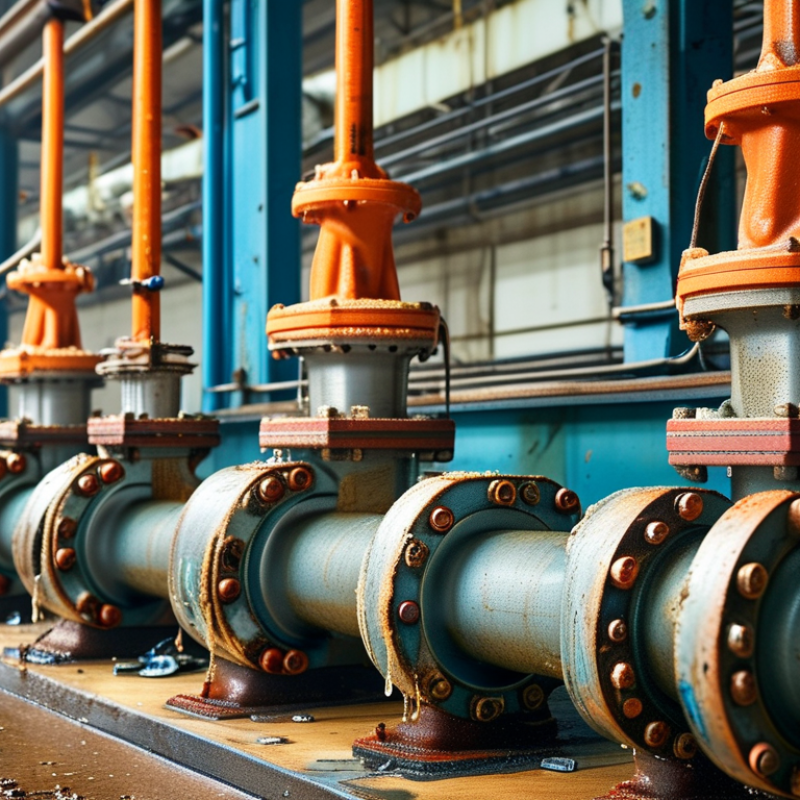
Top 10 Tips for Cleaning Industrial Pumps Safely

Understanding the Importance of Safe Industrial Pump Cleaning Procedures

Cleaning industrial pumps is critical for operational efficiency. Safe cleaning procedures reduce risks and enhance performance. Many overlook the importance of adopting the right techniques. This lack of diligence can lead to accidents or equipment failure.

Understanding the associated hazards is essential. Chemicals and high-pressure systems pose threats to personnel. Workers must be trained adequately. Improper handling can have severe consequences. Regular safety audits help identify potential risks. Monitoring compliance ensures that standards are upheld.

Another facet often overlooked is the impact on the environment. Using eco-friendly cleaning agents minimizes harmful emissions. However, not all agents are equally effective. Awareness and education are vital. Workers should reflect on their practices. There’s always room for improvement in techniques used for cleaning. This will not only safeguard personnel but also the machinery.

Key Safety Regulations and Standards in Pump Maintenance Practices

Industrial pump maintenance is crucial for safety and efficiency. Understanding safety regulations is essential for all technicians. Compliance with OSHA and EPA standards can prevent accidents and promote a safe working environment. Always refer to updated safety data sheets and ensure proper training for staff.

When cleaning industrial pumps, proper personal protective equipment (PPE) is necessary. Gloves, goggles, and hard hats should be worn to protect from potential hazards. Consider conducting regular safety audits to identify risks. This can help avoid injuries and work disruptions.

Take time to ensure the pumps are isolated before cleaning. Lockout/tagout procedures should be strictly followed. Small mistakes, like not fully isolating a pump, can lead to dangerous situations. Remember, effective communication among team members is vital to maintaining a safe environment during maintenance tasks.

Top 10 Tips for Cleaning Industrial Pumps Safely

Choosing the Right Personal Protective Equipment for Cleaning Tasks

When cleaning industrial pumps, choosing the right personal protective equipment (PPE) is crucial. The type of contaminants you may encounter can dictate your choices. Heavy-duty gloves can protect your hands from chemicals and sharp edges. Safety goggles are essential to shield your eyes from splashes. A respirator may be necessary if there are hazardous fumes.

Boots with steel toes can prevent injuries from falling materials. It's a good idea to wear chemical-resistant coveralls as well. They can keep harmful substances off your skin. Consider using face shields for additional face protection. Inadequate protective gear can lead to serious injuries, so taking time to assess your needs is vital.

However, many workers overlook their PPE needs. They might feel that standard gear is sufficient. This mindset can result in exposure to harmful agents. Regular training and reminders can foster a culture of safety. It’s important to regularly reassess your equipment based on the cleaning situation. Each task may present new risks that require updated PPE.

Effective Cleaning Agents: Balancing Safety and Cleaning Power

When it comes to cleaning industrial pumps, selecting the right cleaning agents is crucial for both safety and effectiveness. According to the National Institute for Occupational Safety and Health (NIOSH), improper use of cleaning agents can lead to respiratory issues and skin irritations. Thus, understanding the balance between cleaning power and safety is essential for workers in the field.

One crucial tip is to use biodegradable agents whenever possible. These are less harmful to the environment and usually safer for employees. Another effective approach is to employ neutral pH cleaners. They eliminate residue without damaging pump seals and components. For example, a recent study by the American Chemical Society highlighted that neutral pH agents can improve equipment longevity by up to 30%. This is a significant cost-saving benefit for companies.

Despite the advancements in cleaning technologies, some agents may not meet every need. Each situation is different, and a one-size-fits-all solution may lead to poor outcomes. Test different agents on small areas first to gauge their effectiveness. It's essential to incorporate both best practices and a willingness to adapt. Reflect on past cleaning experiences to enhance future safety and cleaning protocols.

Best Practices to Prevent Contamination During Pump Cleaning Operations

Cleaning industrial pumps is crucial for maintaining performance. However, contamination during this process is a significant concern. According to a 2022 report by the Industrial Pump Association, approximately 30% of pump failures are due to contaminants entering the system during cleaning. Implementing best practices can reduce this risk.

One effective approach is the use of designated cleaning zones. These areas should be equipped with proper containment measures to prevent cross-contamination. Static controls, like mats that reduce static electricity, can be beneficial. Experts recommend not just cleaning with water but opting for approved cleaning agents. This minimizes residue. Additionally, ensuring all tools are sanitized before use can further mitigate risks.

Training is also vital. Employees must understand the cleaning protocols and the importance of contamination prevention. Regular workshops, backed by data from safety organizations, show a 20% increase in compliance with safe cleaning practices when training is routine. Observing these practices creates a cleaner working environment and enhances pump longevity. Implementing these strategies effectively requires diligence and ongoing assessment.

FAQS

: Why is safe pump cleaning important?

: Safe pump cleaning enhances operational efficiency and reduces risks associated with equipment failure.

What hazards should workers be aware of?

Workers must understand hazards like chemicals and high-pressure systems that can threaten their safety.

How can training improve safety during pump cleaning?

Adequate training helps workers handle cleaning processes better, reducing the chances of serious accidents.

What are eco-friendly cleaning agents?

Eco-friendly agents are biodegradable and less harmful, minimizing their impact on the environment during cleaning.

Why should cleaning agents be tested beforehand?

Testing agents on small areas helps assess their effectiveness and prevents potential damage to equipment.

What best practice helps prevent contamination?

Designated cleaning zones with containment measures help minimize cross-contamination during pump cleaning.

How can static controls assist in cleaning?

Static controls, such as special mats, help reduce static electricity, minimizing the risk of contamination.

Why is employee training crucial for cleaning operations?

Training ensures employees understand protocols, which increases compliance and reduces contamination risks by 20%.

What is the role of regular safety audits?

Regular audits identify potential risks and ensure compliance with safe cleaning standards, enhancing overall safety.

How can past cleaning experiences improve future practices?

Reflecting on past experiences helps identify areas for improvement, leading to better safety and cleaning methods.

Conclusion

Cleaning industrial pumps is a critical task that requires strict adherence to safety protocols to protect both personnel and equipment. Understanding the importance of safe cleaning procedures is the first step in ensuring that pumps remain operational without damage. Key safety regulations and standards should be followed diligently, and selecting the right personal protective equipment (PPE) is vital for mitigating risks during cleaning tasks.

Effective cleaning involves using agents that provide both safety and cleaning power, allowing you to clean industrial pumps without damaging parts. Additionally, adhering to best practices prevents contamination during cleaning operations, which can compromise pump performance. By following these guidelines, facilities can ensure a safe and efficient cleaning process that maintains the integrity of industrial pumps.

Aria

Aria

Aria is a dedicated marketing professional with a deep passion for innovative strategies and a keen understanding of our company's product offerings. With a wealth of experience in the industry, Aria excels at crafting engaging content that highlights the unique features and benefits of our......