When selecting the right pumps for chemical applications, it’s crucial to understand how to choose industrial pumps for chemical applications effectively. Various factors influence the decision-making process. For instance, the type of chemicals involved can dictate the material and design of the pump. Compatibility is key.
Additionally, the pump's flow rate and pressure requirements should match the system's specifications. Understanding these technical aspects enhances operational efficiency. However, many overlook the importance of maintenance and durability. Pumps need to withstand harsh environments.
It's also essential to choose reputable manufacturers. Their experience in producing industrial pumps can ensure better quality and reliability. As you navigate through options, reflect on your priorities. Balancing cost with quality can be a challenge, but informed choices lead to better long-term results.
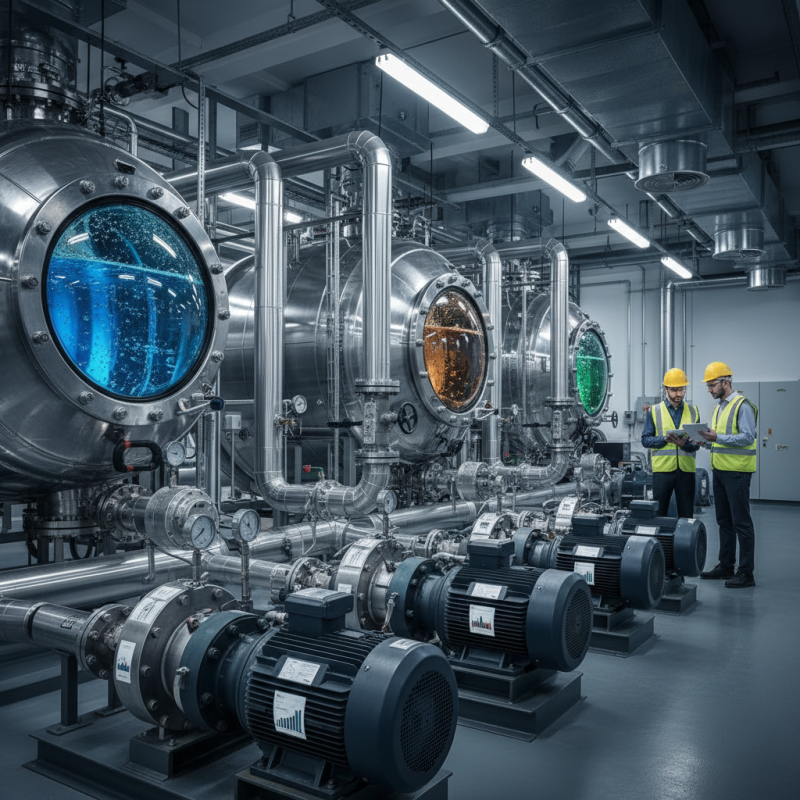
When selecting industrial pumps for chemical applications, understanding the different types is crucial. Centrifugal pumps are often used for low-viscosity fluids. They provide consistent flow rates and can handle a range of chemicals. However, they may struggle with slurries or thick liquids.
Positive displacement pumps, on the other hand, excel at moving viscous fluids with high accuracy. They operate differently, using mechanical actions to displace fluid. Consider the specific characteristics of the chemical to ensure compatibility. For abrasive mixtures, a specific pump material may be required.
Tips for choosing the right pump include assessing the fluid's viscosity and chemical composition. You should also consider the operating temperature and pressure. Don't overlook the pump's duty cycle and maintenance needs. While it’s easy to prioritize efficiency, reliability is equally important. Investing in a suitable pump can save time and costs in the long run.
| Pump Type | Material Compatibility | Flow Rate (GPM) | Pressure (PSI) | Efficiency (%) |
|---|---|---|---|---|
| Centrifugal Pump | Stainless Steel, PVC | 20-100 | 50-150 | 85 |
| Diaphragm Pump | PP, PTFE | 10-50 | 30-80 | 75 |
| Gear Pump | Aluminum, Cast Iron | 5-30 | 100-200 | 80 |
| Peristaltic Pump | Silicone, EPDM | 1-15 | 10-50 | 90 |
Selecting pumps for chemical processes involves several critical factors. Consider the chemical properties of the fluids. Viscosity, temperature, and corrosiveness significantly affect pump performance. According to a report by the Chemical Engineering Safety Association, 45% of pump failures are related to incompatibility with the fluid being handled. Conduct thorough compatibility tests to avoid costly downtime.
Another key factor is flow rate and pressure. Pumps must provide adequate flow to meet production requirements. A precise flow rate is crucial for process efficiency. Data from the American Society of Mechanical Engineers indicates that improper flow can reduce process efficiency by up to 30%. Ensure that the chosen pump matches the specific process needs.
Maintenance requirements shouldn't be overlooked. Many pumps require regular inspections and servicing. Organizations must assess potential maintenance costs associated with different pump types. Research suggests that unplanned maintenance can incur expenses up to 50% higher than routine maintenance. Evaluate the long-term operational costs, weighing reliability against initial purchase price. This holistic approach can lead to more effective pump selection for chemical applications.
When selecting pumps for chemical applications, evaluating materials is critical. Corrosive and hazardous chemicals like acids and solvents demand special consideration. The right materials can significantly impact the longevity and efficiency of the pump system. Reports indicate that over 40% of pump failures stem from improper material selection.
Common materials used in chemical pumps include stainless steel, PVC, and fluoropolymer. Stainless steel offers good strength and resistance to many chemicals, but it may not withstand strong acids. PVC is lightweight and resistant to corrosion, yet it lacks durability under high temperatures. Fluoropolymer, like PTFE, provides exceptional chemical resistance. However, its high cost might pose a budgetary concern.
Installation and maintenance play key roles in operational safety and efficiency. Routine inspections can help detect any early signs of wear or corrosion. According to industry studies, nearly 30% of chemical leaks are due to the degradation of pump materials. Regularly updating maintenance protocols keeps systems reliable and safe. Reflecting on these considerations allows for better decision-making in pump selection.
When selecting industrial pumps for chemical applications, flow rate and pressure are critical factors. The flow rate must match the operational requirements. If it’s too low, processes can falter. If too high, chemical reactions may become dangerous. Understanding system requirements helps in choosing the right pump.
Pressure is equally important. It influences how chemicals are transported through pipes. Insufficient pressure can lead to leaks or pump failures. Too much pressure can damage equipment. Evaluating the total friction loss in the system provides insights into the necessary pump specifications. Each situation is unique, and calculations should be revisited regularly.
It’s important to recognize that these decisions can be challenging. An incorrect flow rate or pressure can lead to operational inefficiencies. Regular testing and adjustments can mitigate risks. Engaging with engineers or industry experts improves decision-making. Balancing these factors requires experience and attention to detail.
When selecting pumps for chemical applications, maintenance and safety are critical considerations. Regular maintenance ensures that pumps function efficiently and prevents unexpected failures. An ideal maintenance schedule should include routine inspections, cleaning, and timely replacement of worn parts. This proactive approach minimizes downtime and enhances overall equipment reliability.
Safety must never be overlooked. Chemical pumps handle various hazardous substances, which can pose serious risks. It’s essential to train staff properly. They should understand the potential dangers associated with the chemicals being pumped. Proper personal protective equipment (PPE) should be used at all times. Regular safety drills can also reinforce awareness.
Despite best efforts, unforeseen issues may arise. Operators must be prepared for potential leaks or spills. Installing leak detection systems can act as an early warning. A well-defined response plan should be in place for emergencies. Regularly reviewing and updating this plan will help maintain safety standards. Ultimately, a solid focus on maintenance and safety leads to better performance and reduces risks in chemical applications.
: Key factors include fluid properties, flow rate, pressure, and maintenance needs. All influence pump performance significantly.
Viscosity, temperature, and corrosiveness impact pump performance. Compatibility tests can prevent costly downtime from failures.
The flow rate must meet production requirements. An improper rate can decrease process efficiency by up to 30%.
Pressure is vital for safe chemical transport. Insufficient pressure can cause leaks, while excessive pressure can damage equipment.
Regular inspections and servicing are necessary. Neglecting maintenance can lead to costs 50% higher than routine upkeep.
Assess long-term operational costs against initial prices. Reliability and maintenance need careful consideration for effective selection.
Engaging with engineers can improve decision-making. They provide insights to balance complex factors like flow and pressure.
Yes, an incorrect flow rate or pressure can lead to inefficiencies. Regular testing can help identify issues before they escalate.
When considering how to choose industrial pumps for chemical applications, it is essential to understand the different types of pumps available, such as centrifugal and positive displacement pumps. Each type has specific advantages and is suited for various chemical processes. Key factors in selecting a pump include the type of chemicals being handled, the required flow rate, and the operating pressure. Evaluating pump materials is critical, as they must withstand corrosive and hazardous substances to ensure safety and longevity.
Moreover, the importance of flow rate and pressure cannot be overstated, as they directly influence the efficiency of chemical processes. Regular maintenance and adherence to safety protocols are also crucial to prevent accidents and prolong pump lifespan. By considering these factors, industries can make informed decisions that optimize their chemical operations while ensuring safety and reliability.

Tongyi Machinery