Pump overheating can lead to reduced efficiency and costly downtime in many industries. According to John Smith, a leading engineer in fluid dynamics, “Understanding how to handle pump overheating issues is critical for operational success.” His expertise highlights the importance of addressing thermal problems proactively.
Overheating often results from several factors. Insufficient cooling, high ambient temperatures, or incorrect operational parameters can all contribute. Attention to these details can prevent future failures. However, it's common for operators to overlook early warning signs. Regular maintenance checks help identify potential hotspots that could escalate into major issues.
Effective temperature management is essential. Installing proper cooling systems and choosing the right pump materials can mitigate risks. Operators must be vigilant. An understanding of how to handle pump overheating issues not only enhances efficiency but also extends the lifecycle of the equipment. Reflection on past incidents can lead to improved practices and more reliable operations.
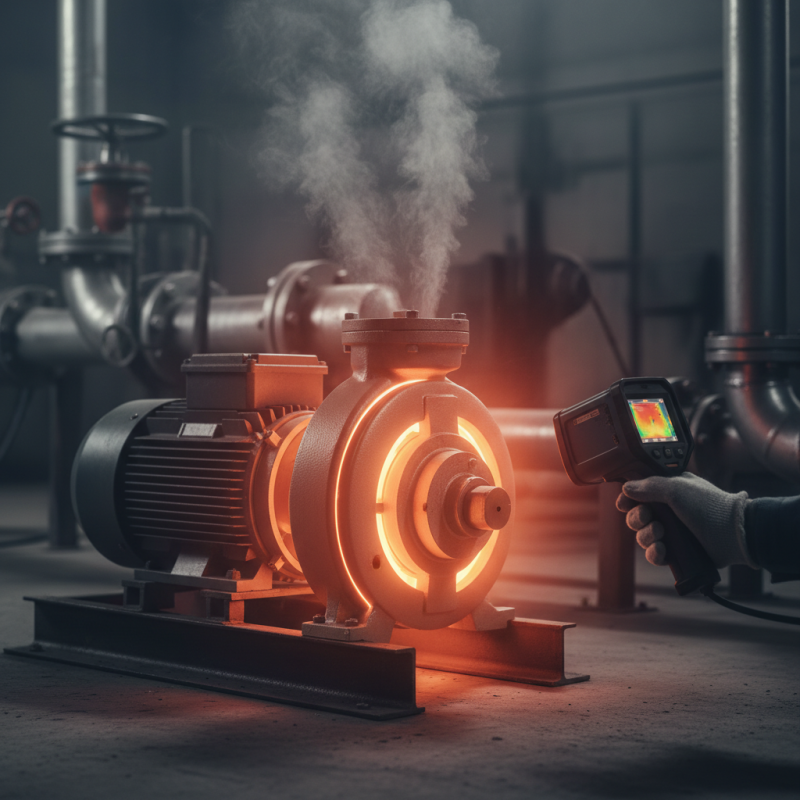
Pump overheating is a common issue that can severely impact system efficiency. Understanding the primary causes of this problem is crucial for timely solutions. Reports indicate that over 30% of pump failures are due to overheating, resulting in costly downtime and repairs. When pumps operate outside their optimal temperature range, performance deteriorates. Incorrect fluid viscosity and inadequate cooling are significant contributors.
Regular maintenance can prevent many overheating issues. Operators should monitor pump temperatures routinely. Using thermal imaging technology can detect troublesome hotspots. Proper fluid selection is essential. Always refer to fluid characteristics to avoid viscosity-related problems.
Here’s a tip: ensure your pump is matched with the correct motor size. Mismatched components can lead to excessive heat generation. Additionally, check for any blockages in the system. Even minor clogs can restrict flow, causing pumps to overheat. Being proactive about these factors can significantly enhance pump reliability, ultimately leading to better system efficiency.
Overheating in pumps can indicate serious issues. Identifying the signs early helps prevent bigger problems.
One common symptom is unusual noises. If your pump begins to hum, rattle, or make whining sounds, it's time to investigate.
Another red flag is increased vibration. Excessive movement can indicate misalignment or internal damage.
Temperature rise is a critical warning. A pump operating at higher-than-normal temperatures can lead to component failure.
Feel the body of the pump. If it's hot to the touch, something is wrong. You might also notice leaks, especially around seals.
A leak can lead to greater overheating issues, affecting overall efficiency. Consistent monitoring is vital.
Watch for decreased performance, too. If your pump struggles to maintain flow rates, it may be overheating.
Pay attention to pressure drops in the system. This can also signify trouble within the pump.
Ignoring these signs often leads to costly repairs and downtime.
Pump overheating can lead to significant inefficiencies and costly downtime. To effectively prevent this issue, maintaining proper lubrication is crucial. Regular checks on lubricant levels help ensure smooth operation. Use the correct type of lubricant for your pump to avoid degradation that can cause overheating.
Monitoring the operating environment is also important. Pumps should be placed in well-ventilated areas, away from heat sources. Overheating often stems from inadequate cooling. Consider installing temperature sensors to provide real-time data. If temperatures rise unexpectedly, operators can address the issue promptly.
Regular maintenance schedules help in curbing potential overheating problems. Inspections should identify wear and tear in components early. It's easy to overlook minor issues, but they can escalate. For those new to pump management, understanding the indicators of overheating can feel overwhelming. Training staff to recognize these signs fosters a proactive approach. Addressing pump efficiency is a journey of continuous improvement.
| Strategy | Description | Expected Impact |
|---|---|---|
| Regular Maintenance | Conduct routine checks and maintenance to ensure optimal performance. | Prevents overheating and extends pump life. |
| Proper Sizing | Ensure that the pump is properly sized for the application to avoid strain. | Reduces energy consumption and risk of overheating. |
| Cooling Systems | Integrate cooling systems, such as cooling jackets or heat exchangers. | Maintains lower operating temperatures. |
| Flow Rate Monitoring | Implement sensors to monitor flow rates and adjust as necessary. | Prevents overheating due to low flow conditions. |
| Vibration Analysis | Use vibration analysis to detect mechanical issues early. | Reduces risk of failure and overheating. |
Regular maintenance is crucial for preventing pump overheating. First, ensure that the pump is properly lubricated. Insufficient lubrication can lead to increased friction and heat buildup. Use the recommended type and amount of lubricant, checking it periodically. Over time, dirt and debris can accumulate, blocking vital components. A thorough cleaning can enhance performance.
Monitor the pump’s operating environment. High ambient temperatures can contribute to overheating. Ensure adequate ventilation around the pump. Additionally, check for signs of wear, such as leaks or unusual noises. Addressing these issues early can prevent costly repairs and downtime.
Consider implementing scheduled inspections. This proactive approach can identify problems before they escalate. Employees should be trained to recognize warning signs. Encourage open communication about operational concerns. Sometimes, solutions may be simple; other times, deeper issues may arise. Reflecting on past maintenance records can also highlight areas needing attention.
Overheating pumps can significantly impact efficiency in various applications. When a pump runs too hot, it may indicate underlying issues that need immediate attention. Such problems could stem from inadequate cooling, excessive wear, or incorrect installation. Identifying the root cause is crucial for effective troubleshooting and repair.
One common cause of overheating is low fluid levels. Ensure that the pump is adequately supplied with fluid. This simple check can save time and prevent costly repairs. Another reason pumps may overheat is excessive friction. Over time, bearings and seals wear out. Regularly inspect these components and replace them as needed.
Tips: Regular maintenance is vital. Schedule routine inspections to catch issues early. Cleaning debris around the pump can improve airflow. Make adjustments to system pressure to minimize unnecessary strain. Document each repair and maintenance activity. This provides insight into recurring issues and helps prevent oversight.
: Pump overheating often occurs due to incorrect fluid viscosity and inadequate cooling. Blockages can also restrict flow.
Regular maintenance is key. Monitor temperatures regularly and ensure proper lubrication of the pump mechanism.
Using the right fluid ensures optimal viscosity. Incorrect fluids can lead to overheating and decreased pump efficiency.
Checking temperatures routinely is essential. Consistent monitoring helps identify potential overheating issues early.
Address these signs immediately. Early intervention can prevent more serious issues and reduce repair costs.
Thermal imaging detects hotspots. This technology identifies areas needing attention before they become critical.
Yes, proper ventilation around pumps prevents overheating. High ambient temperatures can negatively impact system efficiency.
Absolutely. Training employees to recognize warning signs improves communication and proactive maintenance.
Look for recurring issues and identify patterns. This reflection can highlight areas needing more attention.
Mismatched components can generate extra heat. Always ensure compatibility to avoid overheating problems.
Pump overheating issues can significantly impact efficiency and operational reliability. Understanding the underlying causes is crucial, as these can range from improper fluid viscosity to inadequate cooling systems. Common signs of overheating include unusual noises, vibrations, and a noticeable drop in performance.
To effectively handle pump overheating issues, it is essential to implement preventive strategies such as ensuring proper ventilation, monitoring operating conditions, and using the right lubricants. Regular maintenance practices—including inspections and timely repairs—can further enhance pump efficiency and longevity. Troubleshooting overheating pumps involves identifying specific faults and rectifying them to restore optimal function. By addressing these factors proactively, operators can mitigate risks and maintain peak performance.

Tongyi Machinery