How does pump size impact efficiency in industrial applications?

Time:2026-05-28 Author:Sienna
0%

In industrial applications, pump efficiency is critical for optimizing operational costs and performance. Understanding "How does pump size affect its efficiency" is essential for engineers and managers. Experts in this field, such as Dr. Emma Rodriguez, a leading authority in fluid dynamics, emphasize the importance of proper pump sizing. She states, "An improperly sized pump can waste energy and lead to operational inefficiencies."

The relationship between pump size and efficiency can be complex. A pump that is too large may consume excess energy without improving output. Conversely, an undersized pump may struggle to meet demand, leading to frequent failures. Both scenarios highlight the need for careful consideration in the selection process.

Size is not just a matter of capacity; it affects flow rates, system pressure, and overall energy consumption. Many industrial facilities overlook this aspect, leading to significant waste. Emphasizing the importance of appropriate sizing and regular assessments can greatly enhance efficiency. Understanding "How does pump size affect its efficiency" is key to resource management and boosting profitability in the long run.
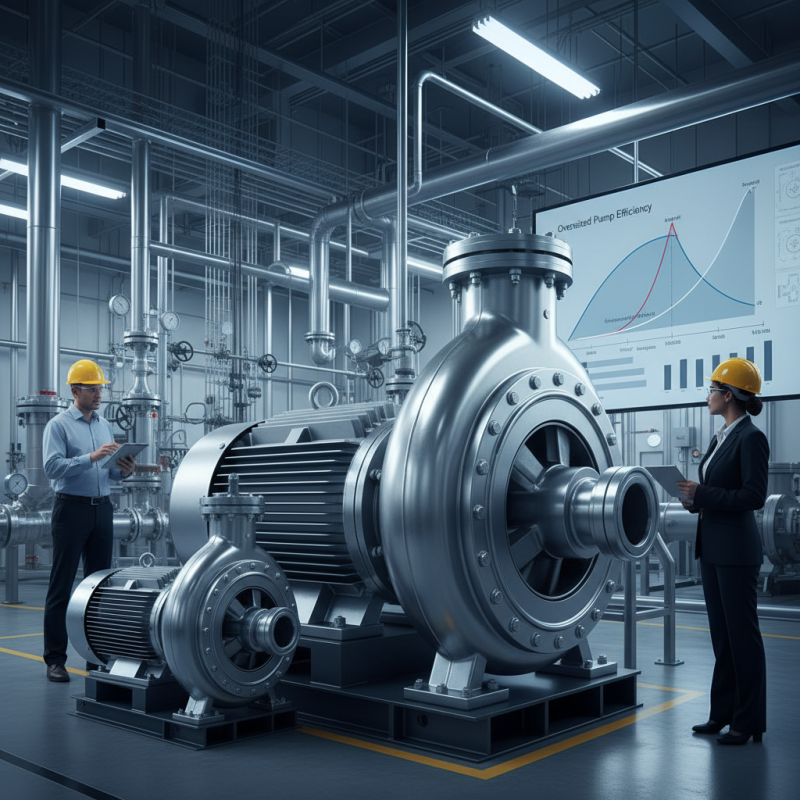
How does pump size impact efficiency in industrial applications?

Impact of Pump Size on Hydraulic Performance in Industrial Systems

In industrial systems, pump size significantly influences hydraulic performance. An improperly sized pump can lead to reduced efficiency and increased operational costs. According to a report by the Hydraulic Institute, optimal pump sizing can enhance efficiency by up to 30%. When pumps are oversized, they operate at lower efficiency levels, often between 40-60%, causing unnecessary energy wastage.

Considering flow rates and system pressure is crucial. For instance, a larger pump may deliver high flow rates but could struggle to maintain pressure, affecting system reliability. It’s essential to analyze the specific needs of the application. Yet, many industries overlook this, leading to a mismatch in performance. Studies indicate that oversizing is a common issue, with approximately 30% of pumps in industrial systems being misapplied.

Regular maintenance can mitigate some inefficiencies, but it doesn't address the root cause. Continuous monitoring is also vital to assess performance. Upgrading to appropriately sized pumps can yield significant long-term savings. However, companies often resist these changes due to initial costs. Hydraulics engineers must advocate for better practices based on solid data to drive efficiency improvements.

Relationship Between Pump Size and Energy Consumption Efficiency

The relationship between pump size and energy consumption efficiency is a critical consideration in industrial applications. Larger pumps are often associated with greater efficiency at high flow rates. However, this can lead to wasted energy if the pump is oversized for a specific application. When a pump runs under low flow conditions, it can experience a drop in efficiency. This not only increases energy costs but also accelerates wear and tear on the equipment.

In various industries, choosing the right pump size can significantly impact overall operational efficiency. For instance, a pump that matches system requirements ensures optimal energy use. But what happens when companies prioritize initial cost savings and install larger pumps? The reality is that this can result in inefficient operation and increased long-term costs due to higher energy consumption. Understanding the specific needs of the process can help in making informed decisions about pump selection.

However, many facilities overlook the importance of regular assessments. Routine efficiency evaluations can help identify if the current pump size is still appropriate. Ignoring these checks could mean operating with outdated equipment that does not meet modern efficiency standards. Facilities must take the time to analyze flow rates and energy usage regularly. This proactive approach is essential for maintaining optimal performance and efficiency.

Comparative Analysis of Pump Sizes in Various Industrial Applications

In industrial applications, pump size plays a crucial role in operational efficiency. A comparative analysis reveals that small pumps can handle lower flow rates with higher head pressure, making them ideal for applications like chemical dosing. Larger pumps excel in high-volume transfers but may suffer from decreased efficiency at partial loads. According to the Hydraulic Institute, the optimal pump size can improve energy efficiency by up to 20%, a significant consideration for energy-intensive industries.

When selecting a pump size, it is essential to consider the specific application requirements. For instance, in mining operations, oversized pumps can waste energy when operating below their best efficiency point. This mismatch can lead to increased emissions and higher operational costs. A comprehensive study from the American Society of Mechanical Engineers outlines that precise matching of pump sizes can reduce energy consumption by as much as 30%.

Tips for optimizing pump selection include regularly reviewing system performance data. Monitor for any signs of inefficiency, such as vibrations or unusual noise. Regular maintenance checks can also help identify potential issues early. Engage with industry experts to discuss pump sizing strategies tailored to your unique operational needs. Assessing pump performance data consistently ensures better decision-making and enhanced efficiency.

Size Optimization Strategies to Maximize Pump Efficiency

Choosing the right pump size is crucial for efficiency in industrial applications. A pump that is too large can lead to excessive energy consumption. Conversely, a pump that is too small may not meet system demands. It’s essential to find a balanced size that aligns with both the operating conditions and required capacity.

One effective strategy is to conduct a thorough system analysis. Look at flow rates, pressure requirements, and the characteristics of the fluid being pumped. This helps in selecting a pump size that maximizes efficiency. Experimenting with different configurations can yield surprising results. Sometimes minor adjustments can lead to substantial performance improvements.

**Tips:** Always account for potential system changes, such as increased flow needs. Regular monitoring of energy usage can highlight inefficiencies. Don't overlook the importance of pump maintenance; a well-maintained pump operates more efficiently.

When evaluating size optimization, consider variable frequency drives (VFDs). These devices allow for adjusting pump speed according to demand, enhancing energy savings. Also, think about the layout of the system; minimizing bends and fittings in piping can decrease resistance, further improving efficiency. A critical eye on these factors can reveal areas for improvement that are often overlooked.

Factors Influencing Pump Efficiency Beyond Size Considerations

Pump efficiency is often associated with size, but several factors influence performance beyond this consideration. The design and material of the pump play crucial roles. Efficient designs reduce fluid turbulence, promoting smoother flow. Pumps made from corrosion-resistant materials also perform better in harsh environments, extending their lifespan. A report from the Hydraulic Institute suggests that optimizing these elements can improve efficiency by up to 15%.

System characteristics significantly impact pump performance. For instance, proper alignment and maintenance are vital. A misaligned pump can lead to increased wear and energy loss. Additionally, the operating conditions, such as temperature and viscosity of the fluid, affect efficiency. According to a study published by the American Society of Mechanical Engineers, fluid viscosity can decrease pump efficiency by as much as 30% under certain conditions.

Installing variable frequency drives (VFDs) offers another layer of efficiency. VFDs adjust the motor speed to match flow requirements, reducing energy consumption. However, initial investment and installation complexity can be barriers. According to industry reports, VFDs can diminish energy usage by 25% or more, highlighting the potential for improvements beyond just pump size. Balancing these factors requires careful analysis and ongoing assessment in industrial applications.

FAQS

: What is the impact of pump size on energy efficiency?

: Larger pumps may be more efficient at high flow rates, but can waste energy if oversized for the application.

How does an oversized pump affect performance?

An oversized pump can lead to lower efficiency at low flow, increasing energy costs and equipment wear.

Why is selecting the right pump size important?

The right pump size ensures optimal energy use and improves overall operational efficiency in various industries.

What should facilities do to maintain pump efficiency?

Regularly assess flow rates and energy usage to ensure the pump size meets current operational needs.

What strategies help optimize pump size?

Conduct system analyses that consider flow rates, pressure needs, and fluid characteristics to select the best pump.

How can minor adjustments improve pump performance?

Experimenting with configurations may lead to significant performance improvements and enhanced efficiency.

What role do variable frequency drives (VFDs) play?

VFDs adjust pump speed based on demand, which can lead to improved energy savings.

How can layout affect pump efficiency?

Minimizing bends and fittings in piping reduces resistance, improving overall system efficiency.

Why is monitoring energy usage essential?

Regular monitoring highlights inefficiencies, ensuring that pumps operate at optimal performance levels.

What should be considered for future pump needs?

Anticipate potential system changes, such as increased flow requirements, to avoid inefficient pump operation.

Conclusion

The article titled "How does pump size impact efficiency in industrial applications?" delves into the critical relationship between pump size and its effectiveness in hydraulic performance within various industrial systems. It examines how size variations can affect energy consumption efficiency, providing insights through comparative analyses across different industrial applications.

Additionally, the article explores size optimization strategies that can enhance pump efficiency, highlighting not only the significance of pump dimensions but also other factors that influence performance. By addressing "How does pump size affect its efficiency," the piece underscores the necessity for industries to consider both the hydraulic and operational implications when selecting pumps to achieve optimal energy efficiency and system performance.

Sienna

Sienna

Sienna is a skilled marketing professional with a deep expertise in our company’s core products and services. With a passion for innovation and detail, she plays a pivotal role in crafting insightful blog posts that not only highlight the unique features of our offerings but also provide valuable......