As the 2026 Canton Fair approaches, the focus on energy efficiency in industrial pumps becomes increasingly urgent. According to a report by the Energy Efficiency Partnership, optimizing these pumps can lead to energy savings of up to 30%. Industry expert Dr. Emma Chen emphasizes, "How to reduce energy consumption with industrial pumps is not just a goal; it's a necessity in today’s manufacturing landscape."
With the introduction of AI features at the fair, buyers will seek innovative solutions. Smart navigation allows for efficient scouting of suppliers aligned with energy-saving technologies. Yet, many companies still lag in adopting these practices, facing challenges in implementation. This is concerning; energy-efficient pumps often come with high initial costs that deter investment.
The importance of addressing these challenges cannot be overstated. The 155,000 square meters of exhibition space will showcase numerous advancements, yet without an adaptive mindset, many potential savings will remain untapped. Engaging with specialists and exploring solutions could remedy this situation and foster a more sustainable future in industrial operations.
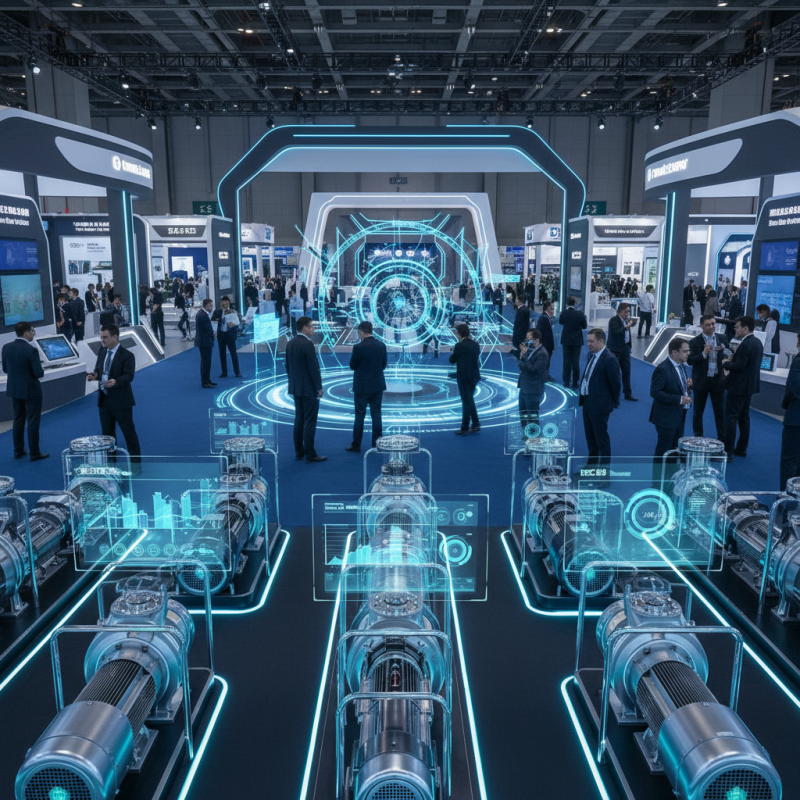
Selecting high-efficiency pumps is crucial for optimizing energy savings in industrial applications. Start by assessing the specific needs of your operation. Consider flow rates, pressure requirements, and the type of fluid being pumped. A pump that meets these criteria will reduce energy consumption and enhance performance.
Look at the pump's performance curve. An efficient pump will operate close to its best efficiency point. This detail is often overlooked. Many companies choose pumps based solely on initial cost. This can lead to higher long-term expenses due to energy loss.
Be mindful of the pump materials. Corrosion resistance and durability can affect long-term efficiency. Over time, wear and tear may diminish a pump's effectiveness. Regular maintenance and inspection play a critical role in sustaining performance. Sometimes, investing a little more upfront can yield significant savings down the line. The choice of pumps deserves thoughtful consideration.
Optimizing industrial pumps for energy efficiency is crucial. Reducing energy consumption can lead to significant cost savings. One major factor is the pump's operating conditions. Understanding these conditions can help in making informed adjustments.
Pump efficiency often drops under suboptimal conditions. For instance, if a pump operates outside its best efficiency point, energy losses can multiply. This means that monitoring flow rates and pressure levels is vital. Regular maintenance checks can reveal performance issues. These checks ensure pumps run correctly and efficiently.
Unexpected fluctuations can cause energy spikes. It’s essential to address these issues quickly. Consider installing variable frequency drives for better control. They allow for precise adjustments based on real-time conditions. However, understanding how to balance efficiency with the system's demands is challenging. It requires constant monitoring and adjustments.
| Pump Type | Flow Rate (m³/h) | Pump Efficiency (%) | Power Consumption (kW) | Operating Conditions | Energy Cost (per annum) |
|---|---|---|---|---|---|
| Centrifugal | 100 | 85 | 11.8 | Standard conditions | $10,000 |
| Positive Displacement | 150 | 90 | 13.5 | High viscosity liquid | $12,500 |
| Submersible | 200 | 80 | 16.2 | Deep well | $15,000 |
| Gear | 75 | 75 | 9.0 | Variable speed | $8,000 |
Integrating variable frequency drives (VFDs) into industrial pump systems can lead to significant energy savings. According to a report from the U.S. Department of Energy, implementing VFDs can reduce energy consumption by up to 50% in many applications. This technology allows pumps to adjust flow rates and pressures dynamically, which directly impacts energy usage.
However, the integration process is not without challenges. Many facilities face issues with proper tuning and maintenance. If not configured correctly, VFDs can cause operational inefficiencies. Over 30% of installations experience performance gaps due to inadequate setup. Regular training for maintenance staff is crucial to address these pitfalls.
Furthermore, assessing the system's overall efficiency remains complex. Some plants overlook the need for energy audits before VFD installation. These audits help identify optimal pump designs and sizes, ultimately enhancing system efficiency. Companies that invest in thorough assessments often see more substantial savings, emphasizing the importance of careful planning and execution.
Regular maintenance of industrial pumps is crucial for optimal performance. Many facilities neglect this aspect, leading to inefficiencies. A small issue, like a worn seal, can escalate. This not only affects productivity but also increases energy consumption. Scheduled inspections can help identify these problems early.
Monitoring pump operation is equally important. Visual checks should occur daily. Use tools to track vibrations and temperatures. If something seems off, investigate. Ignoring anomalies may result in unexpected breakdowns. Workers should be trained to recognize the signs of wear and failure. Simple actions can prevent larger issues.
Data collection plays a vital role in maintaining pump efficiency. Record performance metrics over time. Regular analysis can reveal patterns that indicate declining performance. However, not all facilities prioritize this practice. Investing time in these efforts can ensure long-term gains. Consider how often maintenance practices are actually followed. An occasional check might not be enough.
Optimizing pump system design is critical for energy savings in factories. A well-designed pump can significantly reduce energy costs.
Evaluate your current pump layout. Are the pumps oversized? Larger pumps can waste electricity.
Reassess the requirements of your system based on actual needs.
Consider pump efficiency curves. Pumps operate best at certain flow rates. Operating outside these rates can decrease efficiency.
Ensure that your system matches the pump’s optimal performance range. This may involve resizing pumps or installing variable speed drives.
Smaller adjustments can lead to meaningful savings.
Here are some tips for optimization:
- Regularly inspect and maintain pumps. Wear and tear can affect performance.
- Train employees to monitor energy use. Awareness leads to more mindful operations.
- Explore integration with renewable energy sources. This can enhance sustainability and reduce costs.
Evaluate your piping layout too. Poorly designed systems create bottlenecks.
These issues can force pumps to work harder. Reducing friction losses in pipes can enhance overall efficiency.
Remember, even minor design flaws can lead to significant inefficiencies.
: Selecting the right pump optimizes energy savings and enhances performance, reducing overall costs.
Consider flow rates, pressure requirements, and fluid types to choose the most effective pump.
It's where a pump operates most efficiently. Stay close to this point for energy savings.
Corrosion resistance and durability are crucial. Poor materials may lead to reduced efficiency over time.
Regular maintenance prevents small issues from escalating, which improves efficiency and reduces energy use.
Daily checks can detect performance issues. An early investigation can prevent costly breakdowns.
They allow for precise adjustments, improving control based on real-time operating conditions.
Regular analysis of performance metrics reveals efficiency patterns. Many overlook this practice, compromising performance.
Neglecting inspections and infrequent maintenance checks often lead to energy waste and increased costs.
Maintenance should be frequent and systematic, not just occasional, for optimal long-term efficiency.
In optimizing industrial pumps for energy savings, understanding how to reduce energy consumption with industrial pumps is crucial. First, selecting high-efficiency pumps tailored for specific applications can significantly lower energy use. It’s essential to analyze pump operating conditions, as factors like flow rate and pressure directly influence energy consumption. Additionally, integrating variable frequency drives (VFDs) allows for precise control over pump speed, leading to further energy savings.
Regular maintenance and monitoring play a vital role in ensuring pump performance remains optimal. Scheduled checks and system diagnostics can prevent inefficiencies that lead to higher energy costs. Lastly, evaluating the entire pump system design is necessary for maximizing energy use in factories. By considering these strategies, manufacturers can achieve considerable energy savings and improve overall operational efficiency, making a significant impact at events like the 2026 Canton Fair.

Tongyi Machinery