How to Select the Optimal Pump for Slurry Transfer?

Time:2026-05-13 Author:Henry
0%

Selecting the right pump for slurry transfer is crucial for operational efficiency and system reliability. The pump's performance impacts overall productivity, especially in industries like mining and wastewater treatment. According to a report by the Hydraulic Institute, improper pump selection can lead to over 20% increased operational costs.

Industry expert Dr. Emma K. Barnes emphasizes, “Understanding the properties of the slurry is vital to making the right choice.” This insight highlights the importance of considering factors like viscosity, density, and particle size. Each slurry has unique characteristics that influence pump selection, often overlooked in the decision-making process.

It’s not just about choosing any pump; it’s about aligning the pump’s specifications with the slurry’s requirements. Many professionals face challenges in this aspect. They might prioritize cost over functionality, resulting in underperformance. Over time, this can lead to significant maintenance issues and downtime. Effective slurry transfer requires careful analysis and expertise, ensuring that the right pump is chosen the first time.
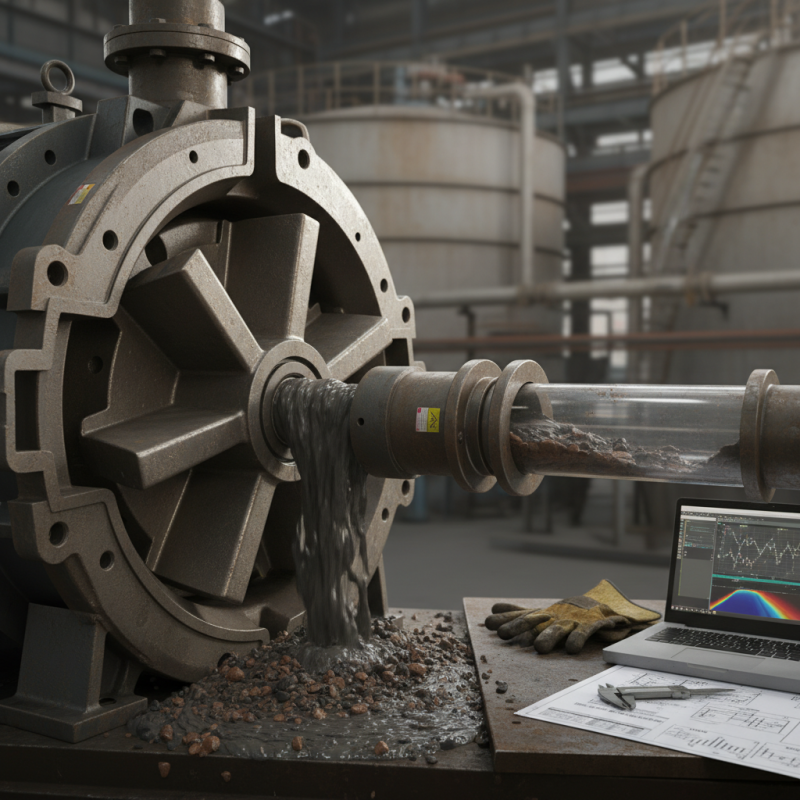
How to Select the Optimal Pump for Slurry Transfer?

Understanding Slurry Properties for Pump Selection

When selecting a pump for slurry transfer, understanding slurry properties is crucial. The solid content, particle size, and viscosity are key factors that influence pump performance. According to a recent report by the Global Slurry Pump Market, about 70% of pump failures are due to incorrect slurry characterization. Ignoring these properties can lead to inefficiencies and costly downtime.

The particle size distribution significantly affects pump choice. Slurries with larger particles often require more robust pumps. A study by the American Society of Mechanical Engineers (ASME) indicated that pumps handle particles under 25 mm more efficiently. However, this specification often leads to oversights in actual operating conditions.

Viscosity should also be evaluated carefully. Higher viscosity slurries demand specific pump types, like progressive cavity pumps, for optimal transfer. A report from the Pump Manufacturers Association (PMA) stated that using the wrong pump type can lead to flow issues and increased maintenance costs. Often, the correct pump is overlooked due to assumptions about slurry behavior or misreading viscosity levels, emphasizing the need for meticulous analysis.

Types of Pumps Suitable for Slurry Transfer

When selecting a pump for slurry transfer, understanding the types of pumps available is crucial. Centrifugal pumps are quite common in this application. They use rotational energy to move slurries. This design works well for low-viscosity slurries. However, they may struggle with high solids content or thick materials.

Positive displacement pumps are another option. These pumps work by trapping fluid and forcing it through an outlet. They excel with thick, viscous slurries. This makes them ideal for applications with higher solid concentrations. However, they can be less efficient for low-viscosity slurries. It's essential to consider the characteristics of the material being transferred.

Submersible pumps also play a role in slurry transfer. These pumps can be immersed in the slurry, making them suitable for deep pits or tanks. They are effective in moving a large volume quickly. Yet, they require careful maintenance to avoid wear and tear.
Choosing the right pump involves understanding each type's strengths and weaknesses in relation to specific slurry properties.

Key Factors Affecting Pump Performance

Selecting the right pump for slurry transfer involves understanding key factors that influence performance. The characteristics of the slurry—such as viscosity, density, and particle size—are critical. For instance, slurries with high solids content often require pumps with specialized designs to prevent clogging. A report from the Hydraulic Institute indicates that over 30% of pump failures stem from inadequate slurry characteristics evaluation.

Another crucial element is the pump material. Selecting materials resistant to abrasion and corrosion greatly affects the lifespan and efficiency of the pump. According to a study by the American Society of Mechanical Engineers, using the correct material can enhance pump efficiency by up to 15%. Understanding the environment where the pump operates is essential. Factors like temperature and chemical exposure can degrade material quality over time.

Pump capacity and head requirements must also be determined. Insufficient capacity can lead to increased wear and downtime. A detailed analysis of the system can reveal discrepancies in expected versus actual performance. This reflection often uncovers that many systems fail due to miscalculation of pressure losses in piping. Assessing all these parameters ensures a more reliable slurry transfer operation.

Evaluating Pump Materials and Design

Choosing the right materials for slurry pumps is crucial. This process requires expertise in fluid dynamics and material science. Different slurries can be abrasive, corrosive, or even reactive. Thus, understanding the chemical and physical properties of the slurry informs material selection.

Pump materials should withstand wear and degradation. Common choices include stainless steel, rubber, and ceramics. Each material offers unique advantages. For example, rubber is flexible and excellent for handling abrasive particles, while ceramics resist corrosion effectively. However, these advantages often introduce limitations. Rubber may degrade in high temperatures, while ceramics can become brittle under stress. Evaluating these factors leads to better decision-making.

Design also plays a pivotal role in pump performance. The geometry of pump impellers can affect flow rates significantly. Complex designs might enhance efficiency but can complicate maintenance. Simplicity often promotes reliability. Balancing design intricacy with functionality is a common challenge. Understanding how material properties interact with design choices can lead to optimal performance in slurry transfer applications.

How to Select the Optimal Pump for Slurry Transfer? - Evaluating Pump Materials and Design
Pump Type Material Pump Design Max Density (kg/m³) Application Examples
Centrifugal Pump Cast Iron Open Impeller 1500 Mining Slurry, Coal Processing
Positive Displacement Pump Stainless Steel Gear Design 2000 Water Treatment Sludge, Pharmaceutical Slurry
Diaphragm Pump Polypropylene Single Diaphragm 1200 Chemical Slurries, Waste Water
Submersible Pump High-Grade PVC Vortex Impeller 1400 Effluent Handling, Mining De-Watering

Maintenance Considerations for Slurry Pumps

Maintaining slurry pumps requires attention to detail and a proactive approach. Regularly inspecting seals and gaskets can prevent leaks. If you notice unusual vibrations, investigate immediately. These might indicate an imbalance or wear. Keeping an eye on temperature readings is vital. Overheating may signal impending failure.

Regular cleaning of pump components is essential. Slurry can cause build-up, affecting performance. Utilize appropriate tools for removal. It’s necessary to monitor the wear on impellers and casing. Replace these parts as soon as you detect significant erosion or damage. Neglecting this can lead to more costly repairs down the line.

Training personnel on maintenance practices enhances reliability. Encourage them to document any changes in pump behavior. Patterns may emerge from their observations. Such insights can guide future maintenance strategies. A well-maintained pump operates efficiently, extending its lifespan and ensuring smooth operations. Balancing maintenance and operational demands is a continuous learning process.

FAQS

: What types of pumps are suitable for slurry transfer?

: There are several types of pumps, including centrifugal, positive displacement, and submersible pumps.

How do centrifugal pumps work for slurry transfer?

Centrifugal pumps use rotational energy to move low-viscosity slurries efficiently.

What are the limitations of centrifugal pumps?

They may struggle with high solids content or very thick materials, impacting performance.

What are positive displacement pumps best for?

These pumps excel with thick, viscous slurries and higher solid concentrations.

Can positive displacement pumps handle low-viscosity slurries well?

No, they are generally less efficient for low-viscosity materials.

What maintenance is crucial for slurry pumps?

Regular inspection of seals, gaskets, and temperature readings can help prevent issues.

Why is monitoring vibrations in pumps important?

Unusual vibrations may indicate wear or imbalance, needing immediate investigation.

How can one maintain pump performance over time?

Regular cleaning and monitoring wear on parts like impellers are essential for longevity.

What should personnel do regarding pump behavior?

Documenting changes can reveal patterns and guide future maintenance strategies.

Is maintenance a one-time effort?

No, it's an ongoing process that requires continuous learning and adjustments.

Conclusion

When considering how to select the right pump for slurry transfer, understanding slurry properties is crucial. The composition and characteristics of the slurry will determine the suitability of various pump types, including centrifugal and positive displacement pumps. Key factors influencing pump performance include viscosity, density, and the presence of solids, all of which should be carefully assessed during the selection process.

Additionally, evaluating the materials and design of the pump is essential to ensure compatibility with the specific slurry being handled. This includes considerations of wear resistance and corrosion, which can significantly affect the pump's longevity and efficiency. Lastly, regular maintenance practices are vital for optimal pump operation and prolonging service life, making it an important aspect of the overall selection process. By addressing these factors, one can effectively ensure the right pump choice for efficient slurry transfer.

Henry

Henry

Henry is a dedicated marketing professional with a profound expertise in the company's offerings. With years of experience in the industry, he possesses an impressive understanding of the market dynamics and consumer behaviors that drive success. Henry is committed to sharing his insights through......