Essential Factors to Consider When Buying a Vacuum Pump?

Time:2026-06-16 Author:Henry
0%

When purchasing a vacuum pump, several essential factors come into play. Understanding what factors I should consider when buying a vacuum pump is crucial for effective selection. The vacuum pump market, valued at approximately $3.5 billion in 2022, is projected to grow significantly. With advancements in technology, various types of vacuum pumps are available, each tailored to specific applications.

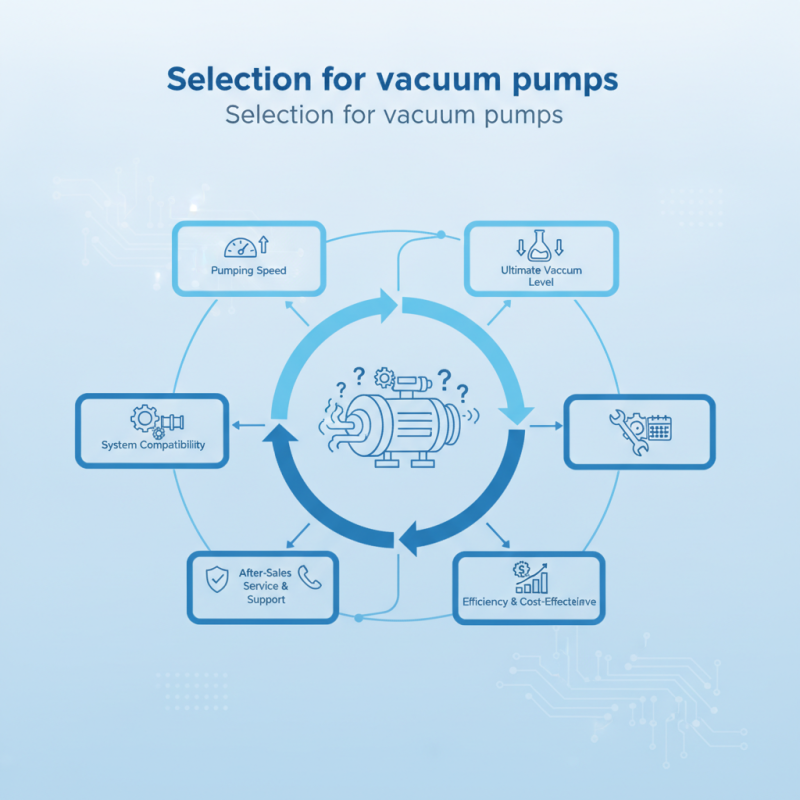
Selecting the right pump impacts efficiency and cost. For instance, rotary vane pumps are ideal for continuous operations due to their durability. Reports from the Vacuum Industry Association indicate that improper selection can lead to energy inefficiencies, wasting up to 30% of operational costs. Thus, identifying the pumping speed, ultimate vacuum level, and compatibility with your system is vital.

Potential buyers must also consider maintenance requirements and the lifespan of the pump. Data suggests that well-maintained pumps can last significantly longer, optimizing return on investment. Yet, many overlook the importance of after-sales service and technical support. Reflecting on these factors is necessary to ensure you make an informed decision while avoiding common pitfalls in the purchasing process.
Essential Factors to Consider When Buying a Vacuum Pump?

Understanding Different Types of Vacuum Pumps and Their Applications

When selecting a vacuum pump, understanding the various types and their specific applications is crucial. There are mainly three categories: positive displacement pumps, momentum transfer pumps, and entrapment pumps. Each type serves different needs, varying significantly in design and performance. According to industry reports, positive displacement pumps are widely used in industrial settings, offering robust performance for processes requiring high vacuum levels. For instance, rotary vane pumps excel in applications like medical vacuum systems.

Momentum transfer pumps, often referred to as turbomolecular pumps, work best at ultra-high vacuum ranges. They are critical in fields such as semiconductor manufacturing. Data indicates that these pumps can achieve pressure levels as low as 10-10 Torr, demonstrating their effectiveness in high-precision environments. However, they require careful handling and specific conditions due to their sensitivity to atmospheric pressure.

Entrapment pumps, including cryopumps, are less common but highly specialized. They capture gas molecules, effectively achieving ultra-high vacuum conditions. Their usage is largely seen in research laboratories and advanced manufacturing. Despite their advantages, these pumps may present challenges in maintenance and operation. Understanding these nuances is key for users to avoid costly mistakes in their selection and application process.

Key Specifications to Look for When Selecting a Vacuum Pump

When selecting a vacuum pump, several key specifications must be assessed. The ultimate vacuum level is crucial. This defines how much pressure the pump can achieve. For instance, a pump rated for 0.1 Torr is suitable for high-precision applications. Understanding the required vacuum level is essential for optimal performance.

Another important factor is the pumping speed. This determines how quickly the pump can evacuate a chamber. Higher speeds can enhance productivity, particularly in industrial settings. According to industry data, a 10 m³/h pumping speed is commonly required in manufacturing processes. Additionally, consider the gas compatibility of the pump. Different pumps handle various gases differently. Knowing the specific gases you'll encounter can influence your choice.

The construction material is also significant. Many pumps use aluminum or stainless steel. Stainless steel provides better durability and chemical resistance. However, it may also increase the cost. Efficiency is often overlooked. Selecting a pump with a lower power consumption can lead to long-term savings. Always check the manufacturer's performance data for reliability and efficiency metrics. Regular maintenance is also necessary to ensure the pump operates at its best.

Evaluating the Performance Metrics of Vacuum Pumps

When choosing a vacuum pump, performance metrics play a critical role. These metrics include ultimate vacuum, pumping speed, and energy efficiency. Understanding these factors will help you select a pump that suits your specific needs. The ultimate vacuum indicates how low the pressure can be achieved. A lower value generally means better performance for many applications.

Pumping speed refers to how quickly a vacuum pump can remove air from a chamber. It's vital to match this speed with the requirements of your processes. Energy efficiency is another crucial metric, as it determines operating costs. A more efficient pump can save money in the long run while providing optimal performance.

Tips: Always check the specifications. Look for detailed performance curves and manufacturer data. Consider your application’s demands carefully. Regular maintenance can enhance the lifespan of your pump. Choosing the right size is often overlooked, leading to potential inefficiencies. A pump that is too small may not meet the required vacuum level, while one that is too large could be wasteful.

Assessing Maintenance and Durability Factors in Vacuum Pumps

When considering vacuum pumps, maintenance and durability factors are key. Regular upkeep is crucial for optimal performance. Most pumps have components that wear down over time. Users need to understand these parts and their lifespan. This knowledge helps in planning maintenance schedules. A well-maintained pump not only performs better but also lasts longer.


Durability is another critical aspect. Different materials affect a pump's lifespan. Stainless steel parts generally offer better resistance to corrosion. Plastic components may wear out quickly, leading to issues. Users should evaluate the construction of the pump. Not all vacuum pumps are built to withstand rigorous use. A vacuum pump that frequently breaks down can disrupt operations.


It's essential to reflect on the intended use of the vacuum pump. Will it be used in a harsh environment? If so, investing in a more durable model is wise. Consider the ease of finding replacement parts as well. Some models may be challenging to service. This could lead to longer downtime. Ultimately, informed decisions hinge on understanding maintenance needs and durability factors.

Budgeting for Your Vacuum Pump: Cost vs. Value Considerations

When budgeting for a vacuum pump, you'll often face a dilemma between cost and value. It’s crucial to analyze what you truly need from the pump. Full-featured models may seem expensive at first. However, their long-term efficiency can justify the initial investment. Look for a balance between price and functionality. Sometimes, cheaper alternatives may lead to additional costs later.

Consider the quality of materials. Pumps made from durable resources often have a longer lifespan. This decreases the need for frequent replacements. Think about your specific application. The right specifications can enhance performance and reliability. Investing a bit more in the right model can save money on repairs and downtime.

Don’t forget about operational costs. Energy efficiency plays a significant role. A high-quality pump consumes less power, leading to savings on your utility bills. Maintenance costs are another factor. Some pumps require regular service, while others have a more robust design. Weigh these aspects carefully before making a decision. Understanding your own needs is vital.

FAQS

: What are the main types of vacuum pumps?

: There are three main types: positive displacement, momentum transfer, and entrapment pumps. Each has unique applications.

What is the importance of the ultimate vacuum level?

The ultimate vacuum level indicates how much pressure a pump can achieve. It's crucial for high-precision work.

How does pumping speed affect performance?

Pumping speed describes how quickly air is evacuated. Higher speeds improve productivity in industrial settings.

What materials are commonly used in vacuum pumps?

Many pumps use aluminum or stainless steel. Stainless steel is more durable but can increase costs.

What role does gas compatibility play in selecting a pump?

Different pumps handle gases differently. Knowing the gases in your application helps you choose the right pump.

Why is energy efficiency important for vacuum pumps?

A more efficient pump uses less power. This leads to lower utility bills and long-term savings over time.

What should I consider about maintenance when choosing a pump?

Some pumps need regular maintenance, while others are built to be more robust. Consider your needs and capabilities.

How do high-quality materials impact pump lifespan?

Durable materials often result in longer lifespans and reduce the frequency of replacements. It’s worth investing in quality.

Can cheaper pumps lead to additional costs later?

Yes, opting for cheaper alternatives may lead to extra repair or replacement costs. Consider value over initial price.

What is critical for avoiding costly mistakes in pump selection?

Understanding specific applications and pump nuances is key. Carefully assess your requirements to make informed choices.

Conclusion

When considering the question "What factors should I consider when buying a vacuum pump?", it's essential to understand the various types of vacuum pumps available and their specific applications. Each type serves different needs, from laboratory settings to industrial operations, highlighting the importance of selecting the right one for your requirements. Key specifications such as pumping speed, ultimate vacuum level, and compatibility with the intended application must be evaluated carefully.

Moreover, assessing the performance metrics, including energy efficiency and noise levels, can further refine your decision. Maintenance and durability are critical factors to ensure long-term reliability and reduced downtime. Finally, budgeting plays a vital role; balancing cost against the value provided by the vacuum pump will help in making a sound investment that meets both operational and financial goals.

Henry

Henry

Henry is a dedicated marketing professional with a profound expertise in the company's offerings. With years of experience in the industry, he possesses an impressive understanding of the market dynamics and consumer behaviors that drive success. Henry is committed to sharing his insights through......