Top 10 Factors Impacting Industrial Pump Performance?

Time:2026-05-03 Author:Liam
0%

In the world of industrial pumps, understanding "What factors affect the performance of industrial pumps" is crucial. Experts like Dr. Emily Chen, a renowned mechanical engineer, emphasize, “Pumps operate best when all variables are optimized.” This statement highlights the intricate relationship between various operational components and pump efficiency.

Factors influencing pump performance include fluid characteristics, system design, and maintenance practices. For instance, changes in viscosity can significantly alter flow rates. Additionally, the choice of materials affects both durability and efficiency. Leakages and wear can lead to decreased performance, yet many industries overlook regular maintenance.

The reality is complex. Industries often fail to account for external variables like temperature and pressure fluctuations.Despite advances in technology, these challenges remain significant. Thus, a deeper understanding of the interplay between these factors is vital. Enhancing pump performance can lead to substantial cost savings and increased reliability.
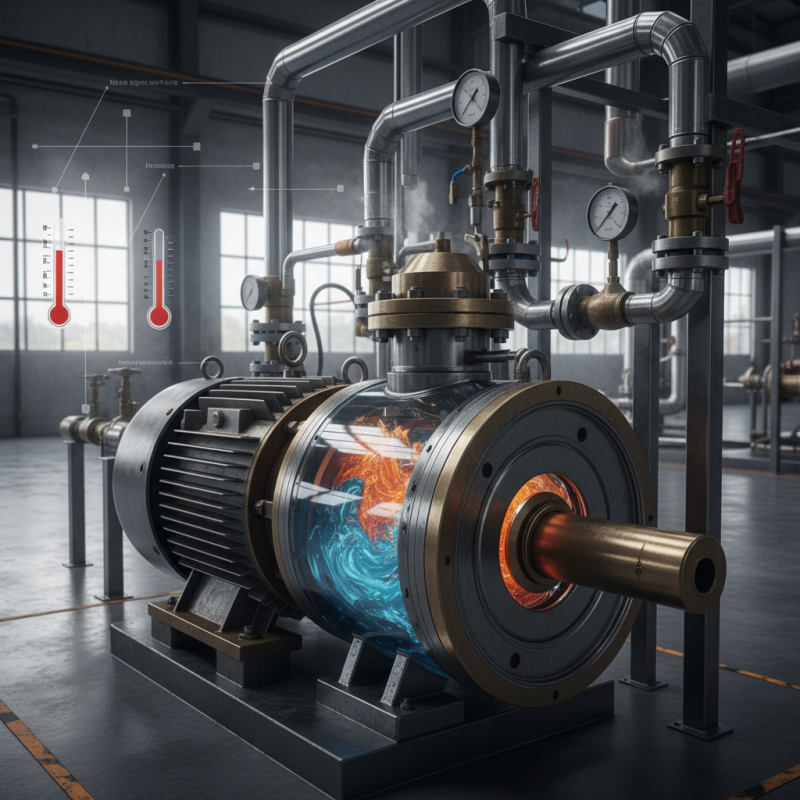
Top 10 Factors Impacting Industrial Pump Performance?

Types of Industrial Pumps and Their Performance Metrics

Understanding the various types of industrial pumps is essential for optimizing performance metrics. There are centrifugal pumps, positive displacement pumps, and diaphragm pumps, each serving distinct applications. Centrifugal pumps are widely used for their efficiency in moving fluids at high flow rates. They often excel in applications requiring steady circulation.

In contrast, positive displacement pumps deliver fixed volumes with each cycle. This makes them ideal for handling viscous fluids and precise dispensing. Their performance is largely determined by the design and material of the pump. Diaphragm pumps stand out for their ability to transfer abrasive or corrosive liquids while providing leak-free operation. However, they may struggle with high flow rates compared to centrifugal models.

Each pump type comes with unique performance metrics like flow rate, pressure, and efficiency. These metrics can fluctuate based on factors like fluid viscosity and temperature. The intricacies of pump performance can be puzzling for new operators. It's crucial to match the pump type to specific needs to avoid inefficiencies and costly breakdowns. Not every pump will excel in every environment, making careful selection and regular maintenance imperative.

Material Selection and Its Impact on Pump Efficiency

Material selection plays a crucial role in the efficiency and performance of industrial pumps. The choice of materials affects not only durability but also how well the pump can handle various fluids. For instance, using stainless steel may enhance resistance to corrosion, yet it might not be the best choice for all applications. Some materials may degrade when exposed to certain chemicals. Understanding the chemical compatibility of materials is essential to prevent failures.

In addition to corrosion resistance, the weight and density of the materials influence energy consumption. A heavier pump may require more energy to operate, leading to increased operational costs. Furthermore, the surface finish of the materials can impact efficiency. A rough interior may cause turbulence, reducing flow rates. Striking a balance between strength and weight is often a challenge. Engineers must evaluate all these factors before making decisions.

Choosing the wrong material can lead to inefficiencies and unexpected downtime. Regular maintenance may not completely mitigate the risks associated with poor material choices. Each application has unique requirements, and no single solution fits all. Professionals should constantly reassess their material selections to adapt to changing conditions and technological advancements.

Operating Conditions and Their Role in Pump Performance

Operating conditions play a crucial role in the performance of industrial pumps. These conditions include temperature, pressure, and fluid viscosity. Each factor influences how effectively a pump operates. For example, high temperatures can lead to equipment wear. Pumps may struggle with increased viscosity, impacting flow rates.

In varying environments, pumps might not always perform at their best. This can cause inefficiencies and lead to maintenance challenges. Operating outside recommended conditions might result in frequent breakdowns or reduced lifespan. Even slight variations in pressure can create significant issues. It is essential to monitor and adjust operating conditions regularly.

Users often overlook the significance of these conditions. Understanding how they affect pump performance fosters better decision-making. Accurate assessments help identify potential problems before they escalate. Investing time in evaluating operating environments pays off in long-term reliability.

Maintenance Practices that Enhance Pump Longevity

Effective maintenance practices are essential for enhancing the longevity of industrial pumps. Regular inspections can reveal potential issues early. Small leaks or unusual noises should never be ignored. These are often signs of underlying problems. Operators must assess pumps frequently. This proactive approach can save time and resources.

Proper lubrication plays a crucial role in pump performance. Many fail to follow lubrication schedules, which can lead to premature wear. Using the correct type and amount of lubricant is vital. Over-lubrication can cause damage as well. It is important to maintain balance.

Training personnel on best maintenance practices strengthens reliability. Employees should be aware of operational limits. Understanding the pump's specifications is equally important. Sometimes, misconceptions can lead to improper use. This causes avoidable breakdowns. A culture of continuous improvement keeps the equipment running smoothly. Regular workshops can foster knowledge and expertise among staff.

Top 10 Factors Impacting Industrial Pump Performance

Fluid Characteristics and Their Influence on Pump Operation

Fluid characteristics play a crucial role in industrial pump performance. The viscosity of a fluid determines how easily it flows through the pump. Higher viscosity fluids require more energy to move. This impacts the pump's efficiency and can cause excessive wear. Understanding fluid properties is essential for optimizing pump operation.

Another significant factor is the fluid’s density. Dense fluids exert more force, affecting pump selection. Pumps must be rated for the specific density of the fluid. Additionally, the presence of solids in the liquid can lead to abrasive wear on the pump components. Solid particles may also cause clogging, leading to potential failures.

Temperature is also a key characteristic to consider. Elevated temperatures can decrease a fluid's viscosity, while extremely low temperatures may solidify some substances. These changes can affect the pump's efficiency and reliability. Continuous monitoring of fluid characteristics is essential for maintaining optimal pump performance and reducing operational costs.

FAQS

: Why is material selection important for pumps?

: Material selection affects durability and fluid handling. It directly influences pump efficiency and performance.

How does material choice affect corrosion resistance?

Some materials, like stainless steel, enhance corrosion resistance, but may not suit all applications.

What role does pump weight play in energy consumption?

Heavier pumps often require more energy, leading to higher operational costs and inefficiencies.

Can surface finish impact pump efficiency?

Yes, a rough interior surface can cause turbulence, which reduces flow rates and overall efficiency.

What happens if the wrong material is chosen?

Choosing the wrong material can cause inefficiencies, unexpected downtime, and higher maintenance costs.

Why are operating conditions crucial for pump performance?

Conditions like temperature and pressure significantly influence how effectively a pump operates.

What problems can arise from incorrect operating conditions?

Operating outside recommended conditions can lead to breakdowns, reduced lifespan, and inefficiencies.

How can regular monitoring help pumps?

Regularly assessing operating conditions can identify potential issues before they escalate, ensuring reliability.

Do professionals continuously reassess material selections?

Yes, professionals should constantly evaluate material choices to adapt to changing conditions and technologies.

How do varying environments affect pump performance?

Pumps may not perform optimally in different environments, often causing maintenance challenges and inefficiencies.

Conclusion

Industrial pumps play a crucial role in various industrial applications, and understanding what factors affect the performance of industrial pumps is essential for optimizing efficiency and longevity. Key considerations include the types of pumps used and their specific performance metrics, which influence how well they operate under different scenarios. Material selection is another important aspect, as the right materials can significantly enhance pump efficiency while minimizing wear and tear.

Operating conditions such as temperature, pressure, and flow rates also play a critical role in pump performance. Furthermore, regular maintenance practices are vital for ensuring the longevity of pumps, helping to prevent unexpected failures. Lastly, the characteristics of the fluids being pumped, including viscosity and chemical composition, can greatly impact pump operation. By taking these factors into account, industries can improve the performance and reliability of their pump systems.

Liam

Liam

Liam is a dedicated marketing professional with a profound expertise in the industry, where he excels at highlighting the unique advantages of our core products. With a keen understanding of market trends and consumer needs, Liam frequently updates our company’s professional blog, providing......