In the industrial sector, pumps are critical for operational efficiency. However, maintaining their longevity can be challenging. Experts highlight the importance of proper maintenance to extend their lifespan. John Smith, a leading expert on pump technology, states, “Regular maintenance is the key to maximizing pump performance and lifespan.” This insight emphasizes the need for strategies focusing on how to maintain industrial pumps for longer lifespan.
To achieve this goal, facilities must prioritize routine inspections and preventive maintenance measures. Failure to address minor issues early can lead to major breakdowns. Operators should familiarize themselves with the specific requirements of their pumps. Simple actions, such as replacement of worn parts and checking for leaks, can significantly impact longevity. Moreover, it is vital to keep the pumps clean and free from debris.
Yet, many industries struggle with implementing effective maintenance protocols. Limited budgets and time constraints often lead to neglect. The reality is that without a dedicated focus on maintenance, pumps will inevitably fail. Investing in knowledge and resources for maintenance is crucial. Ultimately, understanding how to maintain industrial pumps for longer lifespan involves ongoing education and commitment.
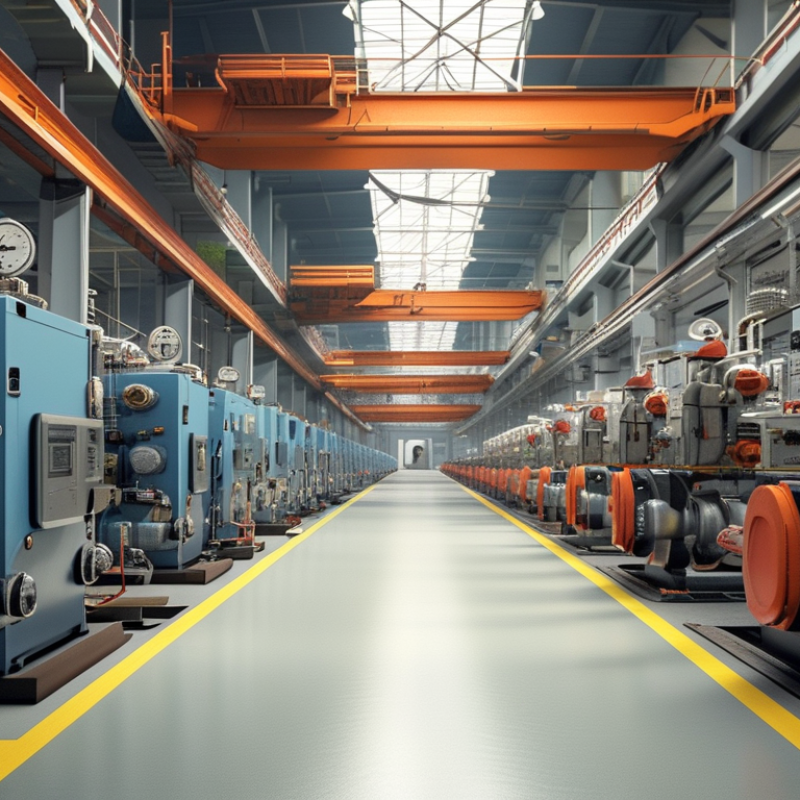
Industrial pump maintenance is crucial for maximizing performance and longevity. Regular inspections can prevent unexpected failures. Checking components like seals and bearings ensures optimal operation. Each part of a pump plays a vital role. Neglect can lead to shutdowns, affecting productivity.
Understanding pump maintenance saves money and resources. Routine checks highlight issues before they escalate. Understand the operating environment to tailor maintenance schedules effectively. Harsh conditions can wear down parts quickly. Creating a maintenance log can help track performance over time.
Failures often stem from overlooked details. Are you monitoring noise levels or vibrations? These can signal problems. Consider training staff on basic maintenance checks. A knowledgeable team is essential. They can spot potential issues early, reducing downtime. Regular engagement in maintenance practices fosters a culture of reliability.
Regular inspection and monitoring are crucial for extending the lifespan of industrial pumps. Incorporating a routine maintenance schedule can reduce unexpected failures. According to a report by the Hydraulic Institute, regular monitoring can increase operational efficiency by up to 20%. This practice not only prolongs the pump’s life but also enhances performance.
To effectively monitor pumps, employing vibration analysis and thermal imaging can be particularly useful. These techniques help identify wear patterns, preventing costly breakdowns. A study revealed that 30% of pump failures could be detected through proper vibration monitoring and corrective actions. This data highlights the importance of integrating modern technologies into maintenance routines.
Despite these benefits, many industrial facilities overlook detailed inspections. Skipping the routine checks can lead to significant downtimes. It often results in higher operational costs and productivity losses. Manufacturing environments can be harsh. Operators must stay vigilant and adapt their inspection techniques accordingly. Recognizing potential issues early can empower teams to make informed decisions. Thus, rethinking current maintenance strategies could ultimately safeguard investments in industrial pumps.
Proper installation of industrial pumps is crucial for extending their lifespan. Each pump requires a specific setup. Make sure to follow the manufacturer's guidelines closely. Misalignment is a common issue. It can cause excessive wear and tear. A simple check can prevent serious problems down the line.
Vibration levels must also be monitored during installation. High vibrations suggest underlying issues. Rotating equipment should have proper foundations to minimize vibrations. Additionally, ensure that all connections, whether electrical or mechanical, are secure. Loose fittings can lead to leaks and inefficiencies.
It's important to regularly review your installation protocols. Document any issues encountered during setup. Learning from these experiences can lead to better practices in the future. Even minor oversights can lead to significant impacts. Continuous improvement is key for longevity.
Choosing the right materials for industrial pump components is critical for longevity. Corrosion resistance plays a major role in material selection. According to a recent industry report, around 60% of pump failures result from corrosion issues. Pumps in aggressive environments often fail prematurely due to unsuitable materials. Assessing the specific fluid's properties is essential for making informed choices.
Stainless steel and high-grade alloys are commonly used for their durability. However, they're not always the best fit. For some applications, thermoplastics can provide additional resistance to corrosive agents. A study highlighted that pumps with plastic components lasted up to 20% longer than those made solely from metals in certain chemical applications.
Understanding the operational environment is crucial. Mixing incompatible materials often leads to quicker degradation. Regular inspections can help catch issues early, but if the right materials aren’t used from the start, failures are inevitable. Even the most experienced engineers can overlook nuances in aggregate materials and end up with subpar results. Consideration of not just the fluid but also environmental factors will ultimately dictate performance and lifespan.
Training personnel effectively is crucial for optimizing industrial pump operations. A study from the Hydraulic Institute shows that well-trained staff can enhance pump efficiency by up to 30%. This statistic emphasizes the importance of a robust training program. Employees should understand how pumps operate, the significance of routine maintenance, and how to identify issues early.
Hands-on training is essential. Engaging staff in practical scenarios helps reinforce their learning. Regular workshops, simulation exercises, and real-world problem-solving can dramatically improve their skills. Research indicates that companies investing in employee training see a return of nearly $4.50 for every dollar spent. This is not just about saving money; it’s also about reducing downtime and ensuring safety.
However, many organizations overlook ongoing training. Initial training is not enough. Technologies evolve rapidly, and pumps are no exception. Continuous learning is vital. Reflecting on past training gaps can help businesses develop more effective strategies. Encouraging a culture of improvement will yield long-term benefits. Remember, a knowledgeable workforce is key to extending the lifespan of industrial pumps.
| Dimension | Importance Level | Comments |
|---|---|---|
| Regular Maintenance | High | Routine checks and servicing extend pump life. |
| Training Personnel | Critical | Well-trained staff can prevent errors and improve efficiency. |
| Proper Installation | High | Correct setup ensures optimal performance and longevity. |
| Monitoring Performance | Medium | Continuous checks can identify issues before they escalate. |
| Use of Quality Parts | High | Investing in quality components reduces breakdowns. |
: Pump maintenance is vital for enhancing performance and extending lifespan. It helps prevent unexpected failures.
Components like seals, bearings, and alignment should be routinely checked for optimal operation.
Knowledge of the environment allows for tailored maintenance schedules to address wear and tear.
Monitoring noise levels and vibrations can indicate emerging problems that need attention.
Training staff on basic checks empowers them to spot issues early, minimizing downtime and costs.
Vibration analysis and thermal imaging are effective tools for detecting wear patterns before breakdowns.
Overlooking inspections can lead to significant downtimes, increased costs, and reduced productivity.
Following guidelines closely and ensuring proper alignment and secure connections prevent premature wear.
Documenting installation problems and lessons learned can inform better future setups, enhancing longevity.
Small oversights can have large impacts. Regularly reviewing practices leads to better reliability and performance.
To effectively extend the lifespan of industrial pumps, it is crucial to focus on maintenance strategies that encompass various aspects of pump care. This begins with understanding the importance of regular inspection and monitoring techniques, which can help identify potential issues before they escalate. Implementing proper installation procedures also plays a vital role in ensuring that pumps operate efficiently and last longer.
Furthermore, selecting the right materials for pump components is essential to withstand operational stresses and environmental conditions. Equally important is training personnel to manage pump operations effectively, as knowledgeable staff can significantly enhance performance and longevity. By understanding "how to maintain industrial pumps for longer lifespan," organizations can minimize downtime and reduce replacement costs, thus ensuring optimal operational efficiency.

Tongyi Machinery