In the mining and construction industries, slurry pumps play a crucial role. According to a report by the Global Mining Standards and Guidelines Group, the demand for efficient slurry handling systems has increased by 15% over the past five years. This growth highlights the importance of understanding "Why is slurry pump used in mining and construction."
Industry expert Dr. Emily Johnson emphasizes, "Slurry pumps are essential for transporting abrasive materials, ensuring optimal productivity." These pumps manage mixtures of liquids and solids, allowing for safer and more efficient operations. Without properly functioning slurry pumps, projects can face operational delays and increased safety risks.
Despite their importance, not all projects allocate sufficient resources to slurry pump systems. This oversight can lead to inefficiencies in material flow and increased maintenance costs. Companies must continually assess their slurry handling strategies to avoid these pitfalls. A proactive approach can enhance operational efficiency and safety in challenging environments.
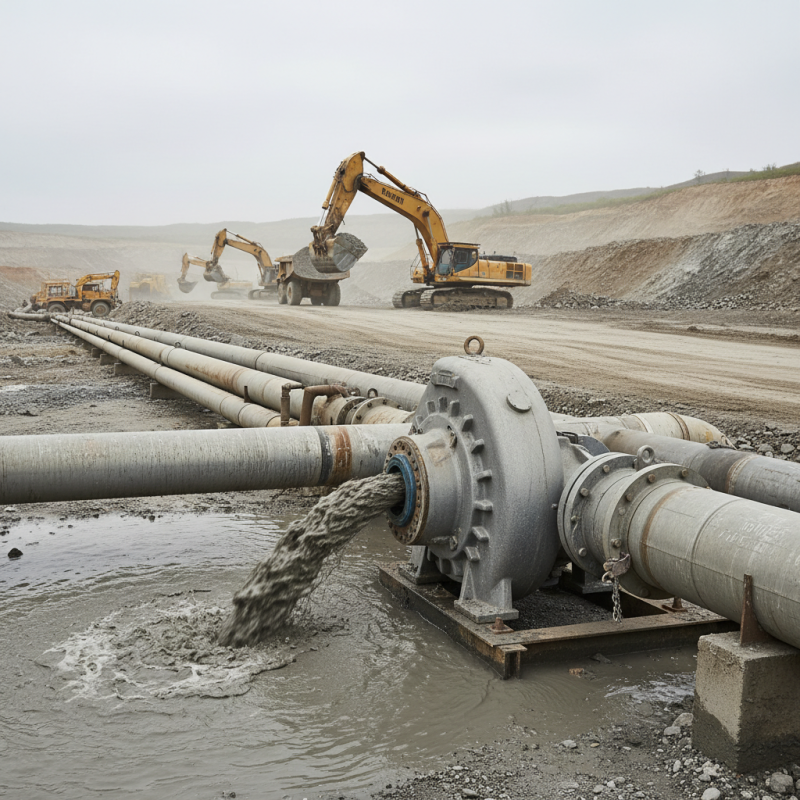
Importance of Slurry Pumps in Mineral Transportation and Processing
Slurry pumps play a crucial role in the mining and construction industries, especially in mineral transportation and processing. These pumps are designed to handle abrasive and thick fluids that are common in mining operations. According to a report by Research and Markets, the global slurry pump market is projected to reach USD 4 billion by 2026, highlighting the growing reliance on these pumps.
The transportation of minerals is a challenging task. Slurry pumps efficiently move mixtures of water and solids, such as sand, clay, and minerals, over long distances. Their durability and efficiency reduce operational disruptions. A study by the International Journal of Engineering Research shows that using slurry pumps can enhance mineral recovery rates by 15-30%. This efficiency translates into significant cost savings and increased productivity for mining operations.
Tips: Regular maintenance of slurry pumps is essential. Inspecting seals and bearings can prevent breakdowns. It's advantageous to understand the specific properties of the slurry being pumped. Proper training for operators can mitigate mistakes that lead to downtime.
While slurry pumps are effective, challenges remain. Abrasion and corrosion can lead to wear and tear. Operators must choose the right pump materials to increase lifespan and efficiency. Consideration of local conditions is vital to ensure optimal performance.
Role of Slurry Pumps in Managing Abrasive Materials in Mining
In the mining and construction sectors, managing abrasive materials is crucial.
Slurry pumps play a significant role in this challenging environment.
According to a recent report by the Global Mining Review, around 70% of mining operations involve handling sludge or slurry.
These materials can include rocks, dirt, and water, making effective pumping vital.
Slurry pumps manage these abrasive materials by utilizing specialized impellers and liners.
This design reduces wear and tear, extending the pump's lifespan.
Research indicates that poorly designed pumps can fail within months due to abrasive wear, leading to costly downtime.
A slurry pump's reliable performance ensures consistent operation, even under extreme conditions.
The efficiency of slurry pumps can significantly impact productivity.
Mining companies can see an increase in throughput by as much as 25% when using high-quality pumps.
However, maintaining these pumps requires diligence.
Regular inspections are essential to prevent unexpected failures. Many companies overlook this, leading to inefficiencies and increased operational costs.
Investing in training for personnel can enhance the management of these critical systems.
Proper maintenance and operation protocols often distinguish successful mining operations from those struggling with productivity.
Efficiency of Slurry Pumps in Water and Sediment Removal
Slurry pumps play a crucial role in mining and construction, especially when it comes to water and sediment removal. These pumps move mixtures of liquid and solid materials, making them essential in various applications. In mining, they efficiently transport mineral slurry, allowing for effective extraction. In construction, they help manage excess water and sediment, keeping work sites safe and productive.
The efficiency of slurry pumps directly impacts project timelines and costs. For instance, when a construction site accumulates water, delays can arise. Using slurry pumps not only speeds up the removal process but also minimizes risks like flooding and erosion. Workers can continue their tasks without the constant threat of water-related disruptions.
However, not all slurry pumps are created equal, and choices can vary. Some models may struggle with abrasive materials, leading to wear and tear. This can result in additional maintenance costs and downtime. Understanding the specific needs of your project is critical. Knowledge about pump types and their capabilities can help in making informed decisions. This ensures long-term reliability and optimal performance in challenging environments.
Advantages of Slurry Pumps in Environmental Sustainability Practices
Slurry pumps play a crucial role in mining and construction. Their importance extends beyond just efficiency; they significantly influence environmental sustainability. According to a report by the American Society of Civil Engineers, over 44% of construction waste consists of slurries. Effective management of these substances is essential to reduce their environmental impact.
Implementing slurry pumps helps in minimizing water usage during mineral processing. These pumps are designed to handle high solids concentrations. According to industry studies, using efficient slurry pumps can reduce water requirements by up to 30%. This reduction aids in conserving local water resources, addressing growing environmental concerns.
Moreover, slurry pumps facilitate the safe transportation of waste materials. By improving the solid-liquid separation process, they help prevent toxic leachate from contaminating groundwater. However, it is important to acknowledge that improper maintenance can lead to pump failures. Such failures may negate the sustainability benefits, emphasizing the balance needed in operational practices.
Top 5 Reasons Why Slurry Pumps Are Vital in Mining and Construction
This chart represents the advantages of slurry pumps in mining and construction, focusing on their significance in environmental sustainability practices.
Innovations in Slurry Pump Technology for Construction Applications
Innovations in slurry pump technology are reshaping construction applications. Recent studies indicate that the global slurry pump market is expected to exceed $3 billion by 2025, driven by advancements in design and materials. These innovations help optimize performance and reduce maintenance costs. For instance, the incorporation of smart sensors allows for real-time monitoring, enhancing operational efficiency.
In construction, the demand for reliable slurry pumps is critical. Modern pumps are designed to handle various materials, from abrasive slurries to fine particles. They often feature wear-resistant materials, enhancing their lifespan. A report from an industry analysis firm highlights that the efficiency of new slurry pumps can be up to 30% higher compared to older models. This efficiency translates into lower energy consumption and reduced operational costs.
While these advancements are impressive, challenges remain. Not all construction sites can accommodate the latest technology. Issues such as the initial investment cost and the need for trained personnel can hinder adoption. Additionally, the reliance on technology raises concerns about over-dependence and potential failures. Continuous innovation is necessary to address these obstacles and ensure the ongoing effectiveness of slurry pumps in mining and construction.
Top 5 Reasons Why Slurry Pumps Are Vital in Mining and Construction
| Reason |
Description |
Application Area |
Key Benefits |
| Efficient Transport |
Transporting mixtures of solids and liquids more effectively. |
Mining |
Reduces transport time and costs. |
| Durability |
Constructed from materials that withstand abrasive materials. |
Construction |
Increases pump life and reduces maintenance costs. |
| Versatility |
Can handle various types of slurries. |
Mining & Construction |
Adaptable to different processes and requirements. |
| Environmental Impact |
Efficiently manages waste and reduces environmental risks. |
Construction |
Minimizes environmental footprint and complies with regulations. |
| Innovation in Technology |
Incorporating advancements for better efficiency and performance. |
Mining |
Enhanced reliability and reduced operating costs. |
Conclusion
Slurry pumps play a critical role in both mining and construction industries, primarily due to their efficiency in transporting mineral slurries and handling abrasive materials. They are essential for managing the delicate process of mineral transportation and processing, ensuring that minerals are moved swiftly and safely from one stage to another. The ability of slurry pumps to efficiently remove water and sediment not only enhances operational efficiency but also minimizes equipment wear and tear.
Moreover, slurry pumps contribute significantly to environmental sustainability practices by reducing waste and optimizing resource use. With continuous innovations in slurry pump technology, these pumps are becoming more adaptable to various construction applications, enhancing their importance in the industry. Understanding "why is slurry pump used in mining and construction" reveals that they are not only vital for operational success but also for the ongoing development of environmentally responsible practices in these sectors.

 Tongyi Machinery