In the world of fluid dynamics and engineering, understanding the operational distinctions between devices is crucial. Many professionals often ask, "What is the difference between vacuum pump and water pump?" Dr. Emily Harrison, a leading expert in fluid mechanics, states, "Recognizing the unique roles of pumps can enhance system efficiency significantly."
Vacuum pumps create spaces with low pressure, expelling air or gas. They are essential in processes like distillation and semiconductor manufacturing. In contrast, water pumps circulate and manage liquid water flow. These are widely used for agricultural irrigation and municipal water systems.
While both pumps serve critical functions, their applications differ notably. Vacuum pumps often work under negative pressure, while water pumps operate under positive pressure. Both types have unique construction and materials that cater to their specific tasks. Understanding these differences is vital for engineers and technicians in selecting the right pump for their applications. Reflecting on these facts can help identify gaps in knowledge and lead to informed decision-making.
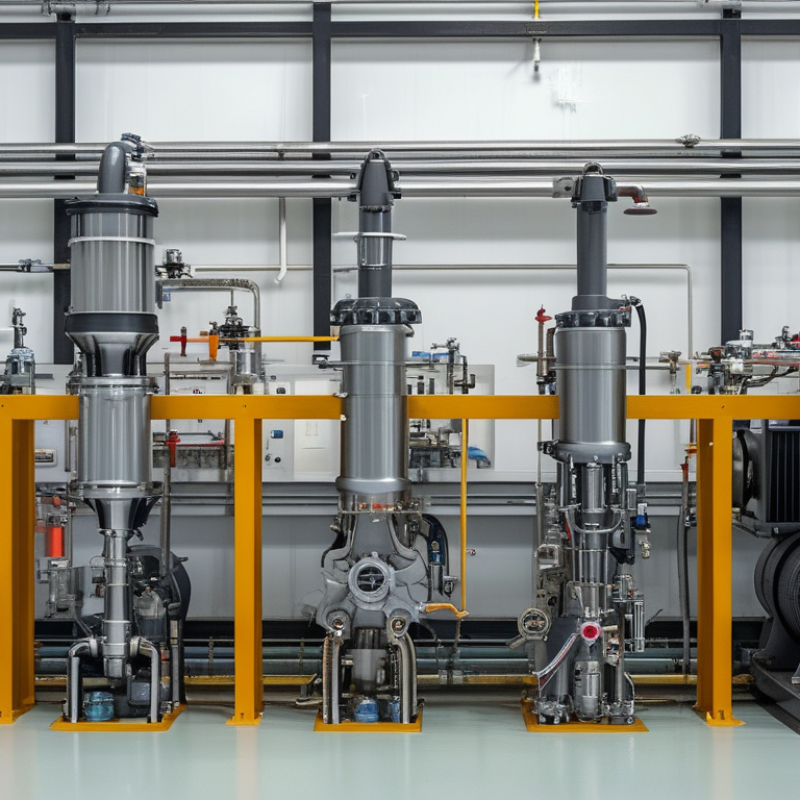
Understanding the Basics of Pumps: Vacuum vs. Water
When exploring pump technology, understanding the difference between vacuum pumps and water pumps is essential. A vacuum pump removes gas molecules from a sealed volume, creating a vacuum. It’s widely used in laboratories and industries where precise conditions are required. Common applications include vacuum packaging and the operation of certain scientific instruments. They excel at low-pressure applications, but limitations exist for large-scale environments.
Water pumps, on the other hand, are designed for fluid transfer. They move water from one location to another, serving vital functions in agriculture, home plumbing, and municipal systems. These pumps can be centrifugal or positive displacement, depending on the desired flow and pressure. While effective for moving large volumes, they aren't suited for applications requiring a vacuum. Their performance can be affected by factors like water temperature and viscosity, which must be considered for optimal operation.
Determining the right pump requires careful consideration of your needs. Some users may overlook specific requirements, leading to inefficiency. Understanding the basic principles can lead to better decision-making for pump selection, ultimately impacting the success of your projects.
Definition and Functionality of Vacuum Pumps
Vacuum pumps are crucial tools used in various industries. They create a vacuum by removing air and gases from a sealed volume. This process can lower pressure and facilitate numerous applications. Common uses include packaging, freeze-drying, and scientific experiments. A well-known statistic is that the global vacuum pump market is projected to reach $4.2 billion by 2025. This indicates steady growth and increasing reliance on these devices.
The functionality of a vacuum pump revolves around its ability to achieve low pressures, often in the range of 1 to 1000 millibar. However, not all vacuum pumps are designed for high performance or intricate applications. Some models struggle to maintain consistent vacuum levels. Proper maintenance is critical. Without it, efficiency can plummet, leading to leakages and increased operational costs. Reports suggest that lack of servicing can reduce pump performance by as much as 30%.
Understanding the underlying mechanics is essential. Various designs, like rotary vane or diaphragm pumps, serve different functions. Users often face challenges in selecting the right type for their needs. Misapplication can lead to system failures and safety hazards. Therefore, professionals need to assess their requirements carefully.
Definition and Functionality of Water Pumps
Water pumps play a critical role in many industries and daily life. These devices are designed to move water from one place to another. They come in various types, each suited for specific tasks. For instance, centrifugal pumps utilize a rotating mechanism to increase water flow. On the other hand, positive displacement pumps push water through using mechanical force.
Understanding how water pumps work is essential in choosing the right one for your needs. They can be used for irrigation, drainage, or supplying water to buildings. Each application requires a different pump design and power level. For example, a pump used for agriculture must handle large volumes of water efficiently. Some may struggle with heavy loads or complex terrains. This can lead to inefficiency and higher operating costs.
Even experts can overlook important details when selecting a water pump. Considering factors like flow rate and pressure is vital. Matching the pump’s capabilities with your requirements is crucial for optimal performance. Sometimes, a cheaper option may end up causing more problems. It’s important to assess long-term needs, not just immediate costs.
Comparison of Vacuum Pump and Water Pump Functionality
Key Differences in Applications Between Vacuum and Water Pumps
Understanding the key differences between vacuum pumps and water pumps is crucial for selecting the right equipment for specific applications. Vacuum pumps are designed to remove air and gas molecules from a system. They create a vacuum environment, which is essential in processes like packaging, freeze-drying, or laboratory experiments. In contrast, water pumps are utilized to move water from one location to another. They are commonly found in irrigation, drainage, and industrial processes.
In industrial settings, water pumps often handle large volumes. They maintain consistent water flow for cooling systems or water supply. Vacuum pumps, on the other hand, excel in applications requiring low pressure. They are vital for tasks such as distillation and vacuum forming, where the removal of air is essential for product quality. Each pump serves a distinct purpose, and knowing when to use one over the other is key.
Tips: When choosing a pump, consider the application’s specific needs. It’s crucial to assess flow rates, pressure levels, and the medium being pumped. Research different types that may suit your application better. Always evaluate maintenance needs over time; some pumps may require more frequent servicing. This attention can prolong equipment lifespan and enhance efficiency.
Comparison of Performance Metrics for Vacuum and Water Pumps
When comparing vacuum pumps and water pumps, performance metrics such as efficiency, capacity, and pressure range are crucial. Vacuum pumps typically generate lower pressure. They are designed to create a vacuum, making them ideal for processes that require the removal of air or gases. For instance, rotary vane vacuum pumps often reach pressures as low as 0.5 Torr. Meanwhile, water pumps focus on moving liquids. They are efficient for transferring water across various industries, with centrifugal pumps frequently achieving flow rates exceeding 10,000 gallons per hour.
In terms of energy efficiency, water pumps generally consume less power relative to their output. Reports indicate that specific water pumps can operate with an efficiency of over 90%. Conversely, vacuum pumps may have lower efficiency ratings, often around 60%-70%. The disparity in efficiency can lead to higher operational costs for vacuum systems. Understanding these metrics is critical for selecting the right pump type for specific applications. Decisions should factor in not just initial costs, but also long-term energy consumption.
It's also worth noting that maintenance routines differ significantly between the two types. Vacuum pumps often need more frequent servicing. The complexity of their operating mechanisms can result in downtime if not properly managed. Water pumps usually have simpler designs, which can lead to more straightforward maintenance procedures. Evaluating these performance metrics can guide users toward optimal pump solutions.
Maintenance and Operational Considerations for Both Pump Types
When it comes to maintaining vacuum pumps and water pumps, different strategies apply. Understanding the operational needs of each pump type is crucial for longevity. Vacuum pumps often require regular checks for oil levels and leaks. A drop in oil can lead to poor performance. Clean the inlet filter periodically to ensure optimum airflow. Water pumps, in contrast, need inspections for clogs and corrosion. Regularly clearing debris from the impeller is vital.
Tips for both pump types include noting ambient temperature and humidity. These factors influence pump efficiency and lifespan. Ensure pumps operate in conditions they are rated for. Another point to consider is vibration. Excessive shaking can indicate mechanical issues, especially in vacuum pumps. Monitor vibration levels regularly to detect early problems.
Maintenance routines should not be overlooked. Time invested in checking pump components pays off. Consider keeping a log of maintenance checks. This helps identify recurring issues. Documentation can simplify troubleshooting in the future. Both vacuum and water pumps perform better with attentive care.
What Is the Difference Between Vacuum Pump and Water Pump? - Maintenance and Operational Considerations for Both Pump Types
| Characteristic |
Vacuum Pump |
Water Pump |
| Function |
Removes air and creates a vacuum |
Moves water from one location to another |
| Operating Principle |
Uses mechanical action to expel air |
Uses pressure to transport water |
| Applications |
Laboratories, manufacturing, food packaging |
Irrigation, drainage, water supply |
| Maintenance Requirements |
Regular oil changes, filter cleaning |
Casual inspections, impeller maintenance |
| Energy Efficiency |
Typically efficient in removing air |
Efficiency varies based on model |
| Cost |
Generally higher initial cost |
Varies widely, generally lower initial cost |
FAQS
: A vacuum pump removes gas molecules from a sealed area to create a vacuum.
They are used in laboratories, for vacuum packaging, and in scientific instruments.
Water pumps transfer fluids, moving water from one place to another.
There are centrifugal pumps and positive displacement pumps for different flow needs.
Water temperature and viscosity can significantly impact how effectively a water pump operates.
Regular checks for oil levels and leaks should be done to ensure proper function.
Inspections for clogs and corrosion help prevent failures and ensure efficient operation.
Humidity can influence both vacuum and water pump efficiency and lifespan.
Excessive vibration may indicate problems; monitor it regularly for early detection.
Documenting maintenance helps track issues and simplifies future troubleshooting processes.
Conclusion
In understanding the question, "What is the difference between vacuum pump and water pump," one must first recognize their fundamental definitions and functions. Vacuum pumps are designed to remove gas molecules from a sealed volume, creating a vacuum for applications such as food preservation or chemical processes. In contrast, water pumps are specialized in transporting water or other liquids, commonly used in plumbing, irrigation, and industrial applications.
The key differences extend to their applications, performance metrics, and maintenance needs. Vacuum pumps typically operate under conditions requiring low pressure, focusing on gas management, while water pumps excel in moving liquids efficiently at various pressures. Maintenance considerations also differ; vacuum pumps may require more specific care due to the delicate nature of their mechanisms, whereas water pumps often emphasize routine checks for wear and tear. By understanding these distinctions, users can make informed choices in selecting the right type of pump for their specific needs.

 Tongyi Machinery