How to Correctly Install Industrial Pumps for Maximum Efficiency?

Time:2026-05-22 Author:Liam
0%

Industrial pumps are vital for numerous applications in various sectors. Their efficiency directly impacts operational success. However, many struggle with the installation process. Understanding how to install industrial pumps correctly can prevent common pitfalls. Misalignment or improper fitting can lead to maintenance issues.

Installing these pumps demands careful attention to detail. Each component must be positioned precisely. Additionally, proper orientation is crucial to prevent leaks and ensure optimal performance. Professionals should consider consulting installation guides or manufacturer specifications.

Mistakes in installation can be costly. Downtimes and repairs might arise from overlooked nuances. Therefore, investing time in learning the best practices is essential. Seeking assistance from experts can also enhance the installation process. Remember, every project is unique, and taking the time to reflect on individual circumstances will yield better results.
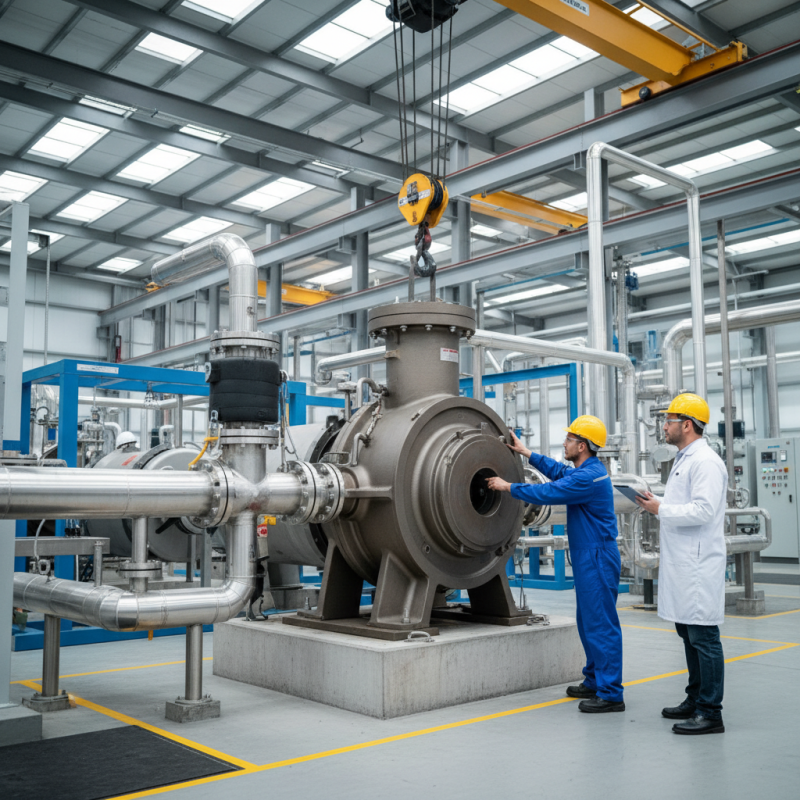
How to Correctly Install Industrial Pumps for Maximum Efficiency?

Understanding the Importance of Proper Industrial Pump Installation

Proper installation of industrial pumps is vital for operational efficiency. Even minor installation errors can lead to significant performance issues. Misalignment is a common mistake that can cause premature wear. Ensuring that all components are correctly aligned can reduce friction and energy loss.

Additionally, it's essential to consider the pump's environment. Vibration from nearby equipment can impact pump performance. Using vibration isolation pads can mitigate this risk. Another area of focus is ensuring proper seal installation. Poorly fitted seals lead to leaks, which can jeopardize efficiency. Regular checks during installation can help identify these problems early.

Attention to system design is equally crucial. A well-thought-out arrangement of pipes and fittings can optimize flow. Ensure that the pump's inlet has minimal restrictions. This promotes better suction. However, many overlook these aspects under time pressure. Taking the time to review each detail can save costs in the long run. Therefore, understanding the importance of proper installation cannot be overstated. It's a foundational step toward achieving maximum efficiency.

How to Correctly Install Industrial Pumps for Maximum Efficiency?

Installation Aspect Recommended Practice Importance
Base Leveling Ensure the foundation is flat and stable Prevents vibration and prolongs pump life
Alignment Align the pump and driver according to specifications Reduces wear and increases efficiency
Piping Installation Use flexible connections and avoid excessive stress Minimizes leaks and damages to the pump
Sealing Utilize proper gaskets and O-rings Ensures no fluid leaks occur during operation
Electrical Connections Follow electrical codes and standards Avoids electrical failures and hazards
Testing Conduct performance tests after installation Ensures pump operates correctly and efficiently

Choosing the Right Location for Optimal Pump Performance

Choosing the right location for industrial pump installation is crucial for optimal performance. An improper location can lead to reduced efficiency and increased maintenance needs. According to a study by the Hydraulic Institute, 20% of pump failures are linked to poor system design and positioning. Ensuring that pumps are not placed in areas with extreme temperatures or vibrations can enhance their longevity.

Consider the proximity to the fluid source. Pumps should be located as close as possible to avoid excessive suction lift, which can lead to cavitation. Studies show that every foot of suction lift can require 1 to 2 additional horsepower. Inadequate space for maintenance can also affect operational efficiency. Therefore, installing pumps in accessible areas is recommended.

Additional factors include alignment with the piping system and ensuring adequate ventilation. Isolation from other equipment can reduce interference. An analysis from the American Society of Mechanical Engineers indicates that optimal pump placement can improve energy efficiency by up to 30%. Despite these guidelines, many facilities still face challenges in achieving ideal placements. Regular assessments of existing locations may be necessary to identify any inefficiencies.

Efficiency of Industrial Pumps by Installation Location

Step-by-Step Guide to Preparing the Installation Site

Preparing the installation site for industrial pumps is crucial for optimal performance. Start by assessing the space. Ensure the area is clean and free of debris. Check the ground level; it should be stable and strong enough to support the pump's weight. Inadequate support can lead to vibrations, affecting efficiency.

Next, evaluate the alignment with existing plumbing or electrical systems. Misalignment can cause leaks or increased energy consumption. It’s essential to measure distances accurately. Sometimes, unexpected obstacles can arise. Be prepared to adjust your plans if necessary.

Don't forget about accessibility for maintenance. If workers struggle to reach the pump, it can lead to ignored upkeep, resulting in inefficiency over time. Make a checklist to identify all necessary components before proceeding. These small details can significantly impact long-term performance. Reflect on past installations; even minor oversights can have major consequences.

Techniques for Aligning and Securing the Pump Properly

Aligning and securing industrial pumps is crucial for their efficiency. Proper alignment reduces wear and ensures optimal performance. Misaligned pumps can lead to vibrations and increased energy consumption. This often results in unscheduled downtime and higher maintenance costs. Using a laser alignment tool can enhance accuracy. Visual inspections are also beneficial, but technology helps achieve precision.

Securing the pump correctly impacts its longevity. Use appropriate fasteners and adhere to the manufacturer’s torque specifications. Regularly inspect the mounting for signs of loosening or wear. Sometimes, mounting surfaces are uneven. This can lead to instability. Shimming may be necessary to achieve a secure fit. Beware of over-tightening, which can damage components and lead to failures.

Training staff on best practices is vital. Understanding how to recognize alignment issues is essential. Investing time in staff education will pay off in the long run. Regular audits of pump installations can identify potential problems before they escalate. Knowing what to check can prevent costly repairs. Focus on continuous improvement for better operational efficiency.

Regular Maintenance Tips to Ensure Long-term Efficiency

Regular maintenance is crucial for industrial pumps. It extends their lifespan and ensures they operate at peak efficiency. A proactive approach prevents costly breakdowns and downtime.

One effective tip is to check seals regularly. Worn seals can lead to leaks, reducing efficiency and potentially causing environmental issues. Inspecting these components every few months is advisable.

Another vital aspect is monitoring vibration levels. Unusual vibrations can indicate misalignment or wear. Using a vibration analysis tool can provide valuable insights. This simple step can help identify issues before they become major problems.

Pay attention to filter conditions as well. Dirty filters can hamper performance dramatically. Regularly cleaning or replacing filters ensures optimal flow and efficiency. It's easy to overlook this task, but it has long-term benefits.

FAQS

: Why is proper installation of industrial pumps important?

: Proper installation ensures operational efficiency. Minor errors can lead to significant performance issues.

What common mistake occurs during pump installation?

Misalignment is a common mistake. It can cause premature wear and increased maintenance costs.

How can vibration affect pump performance?

Vibration from nearby equipment can impact performance. Using vibration isolation pads can help reduce this risk.

What should be checked during pump installation?

Regular checks of seals are essential. Poorly fitted seals can cause leaks, reducing overall efficiency.

How can system design influence pump efficiency?

A well-designed arrangement of pipes enhances flow. Ensure minimal restrictions at the pump’s inlet for better suction.

Why is training staff on installation practices important?

Training helps staff recognize alignment issues. It promotes better practices and reduces future maintenance costs.

How often should seals be inspected?

Inspect seals every few months. Worn seals can lead to leaks and environmental concerns.

What should be monitored to prevent pump issues?

Regularly monitor vibration levels. Unusual vibrations can indicate misalignment or wear.

How can filter conditions impact pump performance?

Dirty filters can dramatically hamper performance. Regular cleaning or replacement ensures optimal flow.

What approach should be taken for pump maintenance?

A proactive maintenance approach prevents costly breakdowns. Regular audits help identify problems before they escalate.

Conclusion

Proper installation of industrial pumps is crucial for achieving maximum efficiency in operations. Understanding the importance of correct installation is the first step, as it directly impacts performance and longevity. Choosing the right location is essential, ensuring that environmental factors such as temperature and accessibility align with pump specifications.

The process of how to install industrial pumps correctly involves a meticulous step-by-step guide for preparing the installation site, which includes leveling the base and ensuring adequate space for maintenance. Techniques for aligning and securing the pump are vital for preventing operational issues and reducing wear. Furthermore, regular maintenance tips are necessary to sustain long-term efficiency, allowing for a smoother workflow and reducing downtime. By following these guidelines, companies can optimize their industrial pump performance effectively.

Liam

Liam

Liam is a dedicated marketing professional with a profound expertise in the industry, where he excels at highlighting the unique advantages of our core products. With a keen understanding of market trends and consumer needs, Liam frequently updates our company’s professional blog, providing......