When evaluating deep water applications, the question arises: "Why are submersible pumps used for deep water applications?" Expert engineer Dr. Janet Lee explains, "Submersible pumps are designed for efficiency and reliability in challenging underwater environments." These pumps operate submerged, which allows them to manage high-pressure conditions effectively.
Choosing the right submersible pump requires understanding key factors like depth, fluid type, and desired flow rate. The challenges of deep water environments stress the importance of durability and material selection. Pumps must resist corrosion and withstand heavy-duty use. Many engineers often overlook the impact of pump placement too.
Inadequate knowledge on these factors can lead to inefficient operations. It's essential to seek expert guidance and conduct thorough research. Properly selecting a submersible pump can make a significant difference in performance and longevity. Understanding why submersible pumps excel in these applications can lead to more informed, better choices.
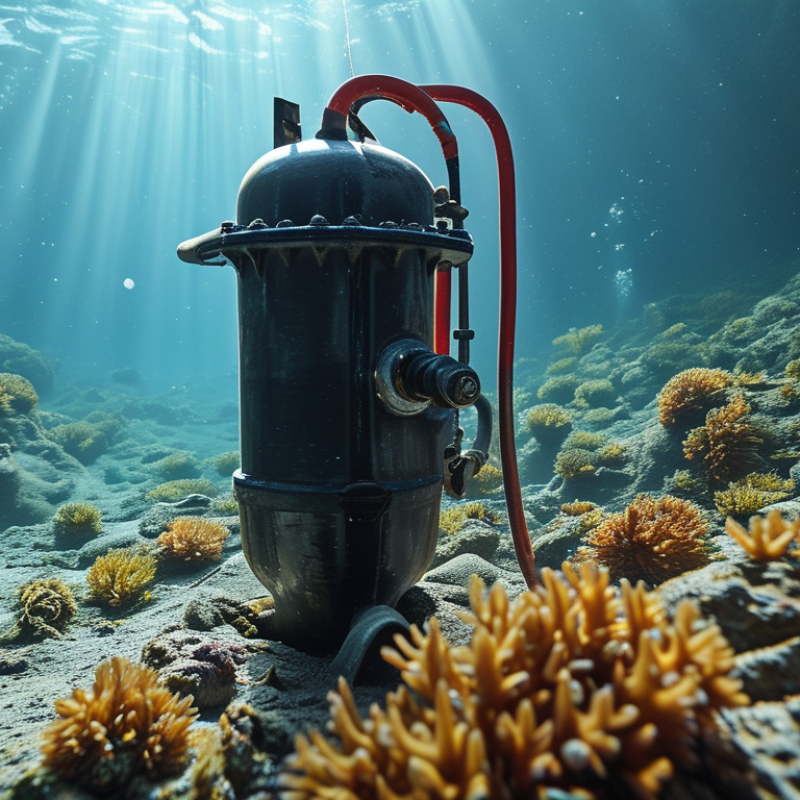
Understanding Submersible Pumps and Their Applications
Submersible pumps play a vital role in deep water applications, offering reliable solutions for various industries. These pumps are designed to operate underwater, ensuring efficient fluid transfer in challenging environments. Understanding their components and functions is crucial for selecting the right pump. Key factors include power requirements, total dynamic head, and specific fluid characteristics.
When choosing a submersible pump, consider the depth of water and the nature of the fluid. If the water contains solids, a pump with a larger inlet is essential. The installation environment also matters. Corrosive elements can damage the pump, so select one with appropriate materials.
Tips:
- Regular maintenance is vital for longevity. Check for wear and tear often.
- Evaluate the pump's capacity to avoid overworking it. This can lead to unexpected failures.
- Always consider noise levels, especially in residential areas. High decibel levels can disrupt daily life.
These considerations will guide you in making informed decisions. Balancing efficiency and durability leads to better performance and cost savings in the long run.
Key Factors to Consider When Selecting a Submersible Pump
When selecting submersible pumps for deep water applications, several key factors come into play. First, consider the pump's depth capability. Most submersible pumps can handle depths from 25 to 150 meters. Research shows that pumps rated for greater depths tend to have more robust designs, ensuring reliability under pressure. Alongside depth, check the pump's power source. Electric submersible pumps often feature better efficiency than their diesel counterparts, especially in remote areas.
Tips: Evaluate the total dynamic head (TDH). This is crucial. The TDH must match your specific application needs while accounting for friction losses in pipes.
Another important aspect is the pump's material. Corrosion-resistant materials like stainless steel are advisable for harsh environments. This can extend longevity significantly. A report from the American Water Works Association indicates that using high-quality materials can reduce maintenance costs by up to 30%.
Always reflect on the total cost of ownership. Don't be swayed solely by initial price. Sometimes, a cheaper pump leads to higher operational costs due to frequent maintenance needs.
Tips: Consult with experienced engineers. Get insights specific to your application. Their expertise can save you time and money.
Differences Between Types of Submersible Pumps for Deep Water Use
When selecting submersible pumps for deep water applications, understanding the differences between types is crucial. There are generally two main categories: vortex pumps and semi-vortex pumps. Vortex pumps handle solids efficiently. They can manage larger particles, making them suitable for waste applications. However, these pumps may struggle with efficiency when dealing with clear water. Their design focuses on reducing clogs, but this might result in lower flow rates.
On the other hand, semi-vortex pumps offer improved flow rates in clear water settings. Their impellers are designed to reduce turbulence, which can enhance pump performance. Yet, they might not be as effective in applications where solid debris is prevalent. Selecting the right type of pump depends on the specific needs of the operation. It's not uncommon for users to overlook the importance of matching the pump to the water conditions.
Deep water environments also require considering pressure and temperature factors. High-pressure applications demand pumps built for durability. It's essential to evaluate the construction materials to ensure longevity. Users often underestimate this aspect. Choosing the right type of submersible pump involves balancing efficiency, durability, and specific application needs. Reflection on past failures can guide better decisions in future projects.
Submersible Pumps Comparison for Deep Water Applications
Calculating Pump Specifications for Depth and Capacity Requirements
Choosing the right submersible pump for deep water applications requires careful calculation of pump specifications. Depth and capacity are crucial factors. For deep installations, assess the total dynamic head (TDH). This includes the vertical lift, friction loss in pipes, and any additional pressure needed. The higher the water column, the more powerful the pump must be.
Capacity is equally important. Determine the flow rate necessary for your application. This is often measured in gallons per minute (GPM) or liters per second (LPS). A mismatch can lead to inefficiency. Too small a pump won’t handle the required water volume, causing delays. Conversely, an overly powerful pump can lead to wastage and increased energy costs.
Consider the environment where the pump will be deployed. Corrosive conditions might demand special materials. Reflect on maintenance needs too. Regular checks can prevent failures, especially in deep water scenarios. Each choice holds weight, contributing to the overall system reliability and efficiency. Ensure these factors align with your specific needs for optimal outcomes.
Maintenance and Safety Tips for Submersible Pumps in Deep Water Settings
When working with submersible pumps in deep water settings, maintenance is crucial. Regularly inspect your pump for wear or damage. Look for signs of corrosion or leaks in the casing. These issues can lead to pump failure. Keep the pump clean and free from debris that may hinder its performance. Neglect can turn minor problems into costly repairs.
Safety should always come first. Ensure that electrical connections are secure and protected from water exposure. Using a ground fault circuit interrupter (GFCI) can greatly reduce the risk of electric shock. Avoid operating pumps under conditions they were not designed for. This can lead to overheating and failure. Remember, even well-maintained pumps can have issues. Always have a backup plan in case of pump failure, especially in critical applications.
Utilizing monitoring systems can help track the performance of your pump. These systems can alert you to irregularities in operation. Don’t ignore the warning signs. If your pump starts making unusual noises, investigate immediately. Proactive measures can save time and money in the long run. Every pump deserves attention, even in routine operations. Regular check-ups foster reliability and efficiency.
How to Choose Submersible Pumps for Deep Water Applications? - Maintenance and Safety Tips for Submersible Pumps in Deep Water Settings
| Criteria |
Recommendations |
Maintenance Tips |
Safety Precautions |
| Pump Type |
Choose based on fluid type (water, sewage, chemicals). |
Inspect seals and O-rings regularly. |
Always wear personal protective equipment (PPE). |
| Power Requirements |
Ensure adequate power supply and backup options. |
Keep electrical components dry and corrosion-free. |
Check the area for hostile conditions before operation. |
| Pump Size and Capacity |
Select based on flow rate and depth needed. |
Check performance regularly to avoid cavitation. |
Always use proper lifting equipment when installing/removing. |
| Material and Construction |
Opt for corrosion-resistant materials for longevity. |
Clean impellers and strainers often to ensure efficiency. |
Avoid operating near flammable substances. |
Conclusion
Submersible pumps are essential for deep water applications due to their ability to operate underwater, minimizing the risk of cavitation and ensuring efficient water movement. Understanding the various applications of these pumps is crucial, as they are employed in fields ranging from agriculture to industrial processes. When selecting a submersible pump, key factors such as depth, flow rate, and specific application needs must be weighed carefully.
Different types of submersible pumps cater to distinct requirements, and calculating the right specifications for depth and capacity is vital for optimal performance. Moreover, proper maintenance and safety practices are critical to ensure the longevity and reliability of submersible pumps in deep water settings. This comprehensive approach elucidates why submersible pumps are used for deep water applications, highlighting their effectiveness and adaptability in challenging environments.

 Tongyi Machinery