Choosing the right Sulfuric Acid Pump can be challenging. As we approach the 2026 Canton Fair, this decision becomes more critical. The event, taking place from April 15 to May 5, will showcase advanced manufacturing and technology. According to the International Chemical Engineering Association, the demand for reliable sulfuric acid pumps is expected to grow by 15% in the next five years.
Industry expert Dr. Emily Zhou emphasizes, "The efficiency and safety of sulfuric acid handling depend significantly on the right pump selection." This underscores the importance of understanding specifications, certifications, and supplier reliability. At the fair, buyers can leverage AI tools to enhance their search for pumps that meet industry standards, such as ISO or CE certifications.
However, many businesses overlook critical factors in pump selection. Issues like pump material compatibility and flow rate can lead to costly mistakes. Attendees at the fair must critically assess their needs. Taking time to explore diverse suppliers and technologies can lead to better purchasing decisions. This event is an opportunity for informed choices in the sulfuric acid pump sector.
Choosing a sulfuric acid pump requires careful consideration of key features. Look for pumps with robust materials. They should withstand corrosion and high temperatures. Common materials include polypropylene and PVDF. These materials are essential for durability.
Flow rate is another critical specification. Pumps must handle specific flow rates to meet operational needs. Knowing your requirements can save time and money. Sometimes, oversizing can lead to inefficiencies. Measure your operational needs accurately.
Additionally, consider the pump's design. A good pump should be easy to maintain. Check for features like removable parts or built-in pressure gauges. Ease of access can reduce downtime. A pump that suits your needs may not appear perfect at first glance. Reflection on these details can aid in making the right choice.
When selecting a sulfuric acid pump, several factors are critical. The first is material compatibility. Sulfuric acid can degrade many materials. Pumps made with specialized materials will last longer and function properly. According to a 2022 industry report, more than 40% of pump failures are due to material corrosion.
Next, consider the pump size and flow rate. Pumps should match the specific requirements of your application. Overly large pumps can waste energy, while undersized pumps may lead to operational inefficiencies. The American Pump Association highlights that optimizing pump size can improve energy efficiency by up to 20%.
Another essential factor is the pump’s mechanical design. Ensure it has reliable seals and appropriate pressure ratings. Failure in these areas can lead to leaks, resulting in safety hazards. Interestingly, 30% of reported incidents involve pump leaks, highlighting the need for thorough evaluations. Look for pumps that offer ease of maintenance, as this can reduce downtime and improve reliability in the long run.
Choosing the right pump for sulfuric acid involves assessing material compatibility. Many materials degrade over time when exposed to harsh chemicals. For sulfuric acid, common materials like stainless steel often fail. Per ASTM standards, certain grades can resist corrosion but may not last long in concentrated solutions.
Fluoropolymers are a viable alternative. They show excellent resistance to sulfuric acid. A recent report indicates that pumps made from these materials last 2-3 times longer. However, their higher costs may deter some buyers. It's important to weigh upfront costs against long-term durability.
Regular maintenance is crucial. Pumps made from suitable materials can still fail without proper care. Operators should inspect seals and connections frequently. Minor leaks can lead to significant damage. Pay attention to temperature and pressure ratings as well. Many pumps operate best within a limited range. Going beyond these limits can lead to rapid wear.
Choosing the right sulfuric acid pump is crucial for industrial applications. When evaluating pump performance, efficiency is key. Factors like flow rate, pressure, and material compatibility play a significant role. Look for pumps made from materials resistant to corrosion. This resilience directly affects longevity and reliability.
Assessing pump efficiency involves examining energy consumption. A pump that uses less energy for the same output is preferable. Performance metrics should be transparent and easily accessible. Being aware of pump maintenance needs can inform your decision as well. Inadequate maintenance can lead to unexpected failures and downtime.
Evaluate all options carefully. Sometimes, the best specifications do not guarantee optimal results. Real-life performance can differ from theoretical models. It's wise to gather user experiences and feedback. A hands-on approach could reveal potential limitations. Dialogues with industry peers can uncover valuable insights during the Canton Fair.
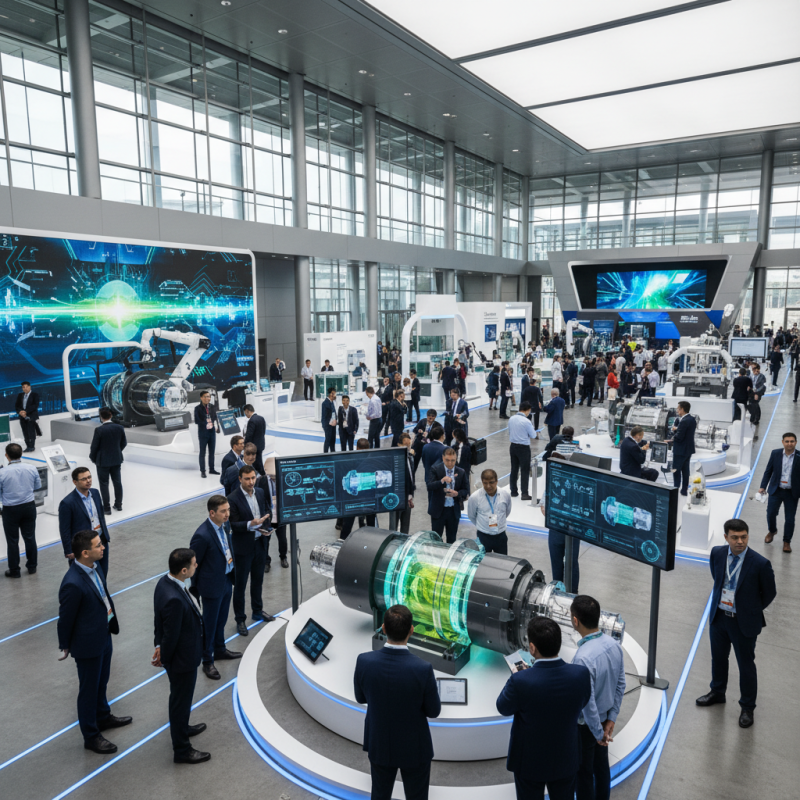
Attending the 2026 Canton Fair offers a unique chance to explore sulfuric acid pumps. The event showcases numerous suppliers and brands. It's essential to navigate this vast marketplace wisely. Consider your specific needs. Focus on pump capacity, durability, and maintenance requirements.
Engaging directly with suppliers can be beneficial. Ask questions about their products. Take notes on different pump models and features. Look for displays that highlight technology and safety. However, some suppliers might not provide complete information. Trust your instincts and seek clarity.
Evaluating samples is crucial before making decisions. If possible, test the pumps. Observe their functionality and construction quality. Some suppliers may have limited stock on-site. Be prepared for this possibility. Last, ensure that you follow up with suppliers after the fair. Keep the communication open for further inquiries or negotiations.
| Parameter | Description | Importance |
|---|---|---|
| Flow Rate | The volume of sulfuric acid that the pump can deliver per unit of time. | Critical for ensuring adequate supply for processes. |
| Material Compatibility | The pump materials must withstand sulfuric acid's corrosive nature. | Essential to prevent pump failure and leakage. |
| Pressure Rating | The maximum pressure the pump can handle during operation. | Important for safety and efficiency of the system. |
| Power Source | Type of energy (electric, pneumatic) that powers the pump. | Affects the installation and operational costs. |
| Maintenance Requirements | Frequency and type of maintenance required for optimal operation. | Influences downtime and total cost of ownership. |
| Manufacturer Reputation | The track record and reliability of the manufacturer in the industry. | Affects trust and likelihood of product quality. |
: Fluoropolymers are a strong option. They resist sulfuric acid well and last longer than stainless steel.
Their higher upfront costs can be a deterrent for some purchasers despite their durability.
Regular maintenance is key. Frequent inspection of seals and connections can prevent leaks and damage.
Exceeding limits can lead to rapid wear and decrease pump lifespan. Careful monitoring is essential.
Examine energy consumption relative to output. Choose pumps that use less energy while maintaining performance.
Theoretical models can differ from actual results. Real-world feedback can identify limitations in pump performance.
Flow rate, pressure, and material compatibility are critical factors for evaluating sulfuric acid pump performance.
Yes, even minor leaks can cause significant damage over time, underscoring the need for thorough inspections.
Evaluate all options and gather user experiences. Engaging with industry peers can provide valuable insights.
Choosing the right sulfuric acid pump is crucial for ensuring efficiency and safety in industrial applications. Key features and specifications of these pumps should be thoroughly understood, as they play a significant role in their overall performance. Factors such as material compatibility, pump efficiency, and performance metrics are essential when selecting a sulfuric acid pump that meets specific operational needs.
At the 2026 Canton Fair, navigating various suppliers and brands will provide valuable insights into the latest technologies and innovations in sulfuric acid pumps. Evaluating pump material compatibility is vital to prevent corrosion and ensure longevity, while assessing performance will help in identifying the most efficient options available in the market. Ultimately, making an informed choice will enhance productivity and safety in industrial operations that involve sulfuric acid.

Tongyi Machinery