How to Choose the Right Type of Water Pump for Your Needs?

Time:2026-06-28 Author:Madeline
0%

Choosing the right water pump can be challenging. With numerous options available, making the right choice is crucial for efficiency and effectiveness. As John Smith, an expert in fluid dynamics, states, "Understanding your specific needs is key to choosing the most suitable pump."

Different types of water pumps serve various purposes. For example, centrifugal pumps excel in high-flow applications. Submersible pumps are perfect for deep wells. Yet, each type has its pros and cons. One must consider capacity, power source, and specific use cases.

Many people overlook the importance of matching the pump with their requirements. Sometimes, they choose based on price rather than performance. This can lead to inefficiencies and extra costs in the long run. It’s vital to ask the right questions when exploring options. How to choose between different types of water pumps involves analyzing both current needs and future demands. Being well-informed can lead to better choices.
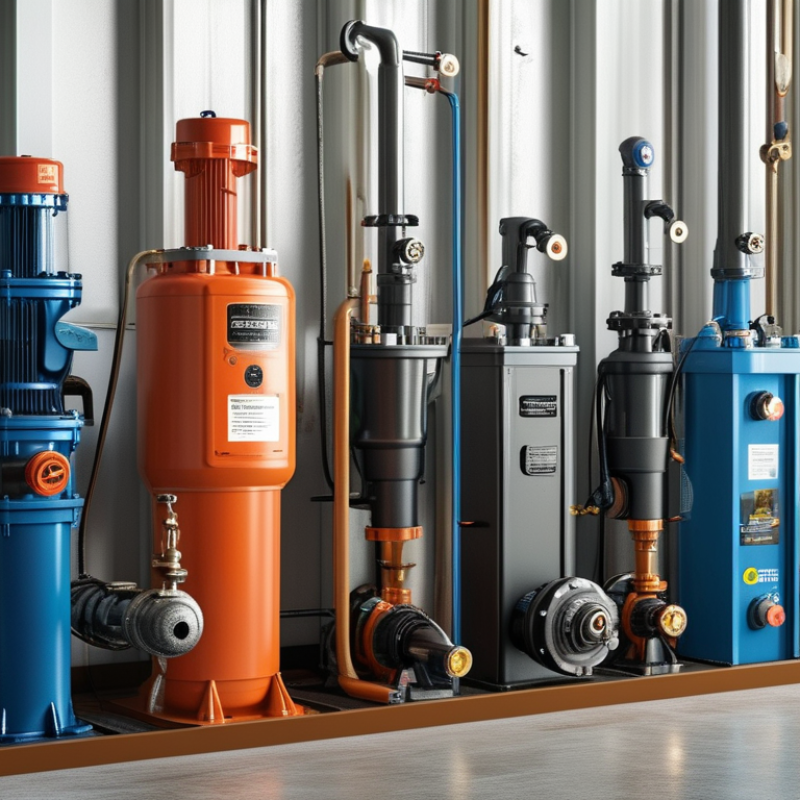
How to Choose the Right Type of Water Pump for Your Needs?

Understanding the Different Types of Water Pumps Available

When selecting a water pump, understanding the available types is essential. There are various pumps designed for specific applications. Submersible pumps are ideal for removing water from deep wells or basements. They can work underwater, making them efficient for such tasks. On the other hand, centrifugal pumps are popular for moving large volumes of water quickly. They use rotational energy to transport fluids, which is useful in irrigation or aquaculture.

Another option is the diaphragm pump. These pumps are designed for transferring viscous fluids or slurries. Their structure allows for precise control of flow rates. However, users may find them less efficient for clean water applications. It's important to evaluate the specific needs before choosing between these types. It's also wise to consider the pump's power source. Electric pumps may be convenient, but gasoline-powered pumps can be more mobile and functional in remote locations.

Think about the maintenance as well. Some pumps are easy to service, while others may require professional attention. Reflecting on your long-term needs can save you time and hassle. A mismatch between your requirements and the chosen pump can lead to inefficiencies. Assess the environment where the pump will be used. Different designs handle varying levels of debris or pressure. Understanding these factors is crucial to making a well-informed decision.

Assessing Your Specific Water Pump Requirements

Choosing the right water pump involves understanding your specific needs. Identify the source of your water. Is it from a well, a river, or municipal supply? This affects your pump selection significantly. Consider the pump's flow rate. This metric determines how quickly it can move water. For most applications, knowing your required gallons per minute is essential.

A few tips to make your decision easier:

- Assess the vertical lift. This is the distance the water must travel upward. Pumps have different capacities for this.

- Think about the purpose. Are you using it for irrigation, drainage, or a home water supply? Each purpose may require a different type of pump.

You might find yourself overwhelmed by choices at times. It's okay to feel uncertain. A simple mistake could be selecting a pump that's too powerful or too weak. Research is crucial. Often, consulting with a professional can clarify your options. They can help avoid potential pitfalls in your choice. Make sure to outline your requirements clearly, so you can communicate effectively with experts.

Water Pump Types and Their Flow Rates

This chart illustrates the flow rates of various types of water pumps commonly used for different applications. Understanding these flow rates helps in choosing the right water pump for your specific needs.

Key Factors to Consider When Choosing a Water Pump

Choosing the right water pump requires careful consideration of several key factors. Understanding your specific needs is essential. Start by assessing the flow rate required for your application. This is the amount of water your pump must deliver, measured in gallons per minute. If your needs aren't clear, you could end up with a pump that underperforms or overworks, wasting resources.

Next, consider the type of fluid being pumped. Different pumps are designed for different fluids. If you're pumping clean water, a simpler pump may suffice. However, if it’s corrosive or viscous, you’ll need a specialized model. Always check the pump's materials to ensure compatibility. This step can prevent costly repairs or replacements down the line.

Also, think about the pump’s energy efficiency. A pump that consumes less energy may have higher initial costs but will save you money over time. Look at the installation area too. Some pumps are bulkier or might require specific conditions for optimal performance. Poor placement can lead to noise or inefficiency. Always measure your space accurately and reflect on any potential obstacles before deciding.

How to Choose the Right Type of Water Pump for Your Needs?

Type of Pump Applications Flow Rate (GPM) Power Source Key Features
Submersible Pump Dewatering, groundwater extraction 10 - 150 Electric Compact design, high efficiency
Jet Pump Irrigation, shallow wells 5 - 30 Electric High suction lift, versatile use
Centrifugal Pump Water transfer, landscaping 20 - 500 Electric or Gas Continuous operation, low maintenance
Diaphragm Pump Chemical transfer, wastewater 1 - 40 Electric or Air Self-priming, dry-run capable
Gear Pump Oil transfer, fuel delivery 1 - 250 Electric or Hydraulic High efficiency, pressure stability

Evaluating Pump Performance and Efficiency Ratings

When evaluating pump performance and efficiency, several key factors come into play. Look at the flow rate, which is how much water a pump can move in a given time. This is typically measured in gallons per minute. If you need a pump for a swimming pool, a higher flow rate is essential for effective circulation. However, consider your specific needs. Sometimes a lower flow rate suffices in residential settings.


Next, consider the total dynamic head, or TDH, which measures the energy needed to move water through the system. It depends on the height the water needs to be pumped and the resistance in pipes. A miscalculation here can lead to choosing a pump that can't meet your demands. Many pump users realize too late that they prioritized flow over TDH.


Efficiency ratings are crucial as well. Look for pumps with high efficiency to save on energy costs. A more efficient pump uses less power, translating to lower utility bills. Yet, efficiency varies with operating conditions. Thus, it’s essential to consider the expected conditions during usage. Failing to do so can lead to suboptimal performance and unexpected expenses. Always seek to understand each metric before making a decision. Balancing these factors will significantly enhance your pump selection process.

Maintenance and Longevity: Ensuring Your Pump's Reliability

Maintaining your water pump is crucial for its longevity and performance. Regular upkeep ensures that the pump operates efficiently and reliably. Check the pump's seals and gaskets every few months. These parts keep water from leaking and maintaining pressure. Inspecting these components can prevent minor issues from escalating into larger, costly repairs.

Debris buildup can also affect performance. Clean the intake screens and housing regularly. This prevents clogs and allows for a smooth water flow. If you don't address these simple tasks, you may face frequent breakdowns. It’s easy to overlook these details, yet neglecting them can lead to frustration and unexpected costs.

Using the right lubricants is essential too. Follow the manufacturer's guidelines for lubrication intervals. Often, new pumps require lubrication after a certain number of operating hours. Ignoring this step can shorten the pump’s lifespan significantly. Simple actions today can save you from major headaches later. Regularly monitoring your pump will help maintain its reliability over time.

FAQS

: What is the first step in choosing a water pump?

: Assess the flow rate required for your application. It is measured in gallons per minute.

Why is it important to understand the type of fluid being pumped?

Different fluids require different pumps. Clean water needs simpler models, while corrosive liquids need specialized ones.

How can energy efficiency impact long-term costs?

A more energy-efficient pump may have high initial costs but reduce overall utility bills over time.

What role does installation space play in pump selection?

Some pumps require specific conditions. Poor placement can cause noise or inefficiency. Measure your space accurately.

Why is total dynamic head (TDH) crucial in pump selection?

TDH measures energy needed to pump water. Miscalculating it can lead to choosing an inadequate pump.

What happens if you prioritize flow rate without considering TDH?

You might end up with a pump that does not meet your actual demands. This can cause performance issues.

How do efficiency ratings affect pump performance?

High-efficiency pumps save on energy costs, but their efficiency varies with usage conditions.

Can overlooking expected operating conditions lead to problems?

Yes, failing to consider these can result in suboptimal performance and unexpected expenses during operation.

What common mistake do users make when purchasing pumps?

Users often focus on flow rate rather than considering both flow and TDH, leading to poor pump choice.

Why should you always check pump materials?

Ensuring the right materials prevent costly repairs or replacements. It guarantees compatibility with the fluid being pumped.

Conclusion

When considering how to choose between different types of water pumps, it is crucial to first understand the various options available, such as centrifugal, submersible, and positive displacement pumps. Each type serves different purposes, so assessing your specific requirements is essential. Factors like the volume of water needed, the source of the water, and intended application will guide your decision-making process.

Additionally, evaluating pump performance and efficiency ratings allows you to select a pump that not only meets your needs but also operates cost-effectively. Key considerations include the pump's maintenance requirements and longevity, as these aspects ensure reliable operation over time. By taking these elements into account, you can make an informed choice that guarantees optimal performance for your water-related tasks.

Madeline

Madeline

Madeline is a dedicated marketing professional with a wealth of expertise in our company's core offerings. With a keen understanding of the industry, she brings a unique perspective to her role, consistently delivering high-quality content that highlights the superior aspects of our products. As......