In the competitive landscape of industrial operations, choosing the right equipment is crucial. A Liquid Ring Vacuum Pump stands out for its versatility and efficiency. Industry expert Dr. William Stokes emphasizes, “The Liquid Ring Vacuum Pump offers a reliable solution for many complex applications.” This technology thrives in environments where moisture or dust is prevalent.
Liquid Ring Vacuum Pumps function by creating a seal of liquid, typically water or oil. This feature provides a dependable vacuum, making them ideal for processes in food, pharmaceuticals, and chemical industries. Their ability to handle vapor and condensable gases provides significant advantages over traditional pumps.
However, it's essential to assess the specific needs of your operations. Some users may discover that the initial setup can be challenging. Understanding maintenance requirements is also vital. Companies often overlook these aspects, leading to unexpected downtimes. Involving experts in the selection process can significantly enhance reliability and performance. Ultimately, a thoughtful approach in integrating a Liquid Ring Vacuum Pump could be the key to optimizing efficiency in your business.
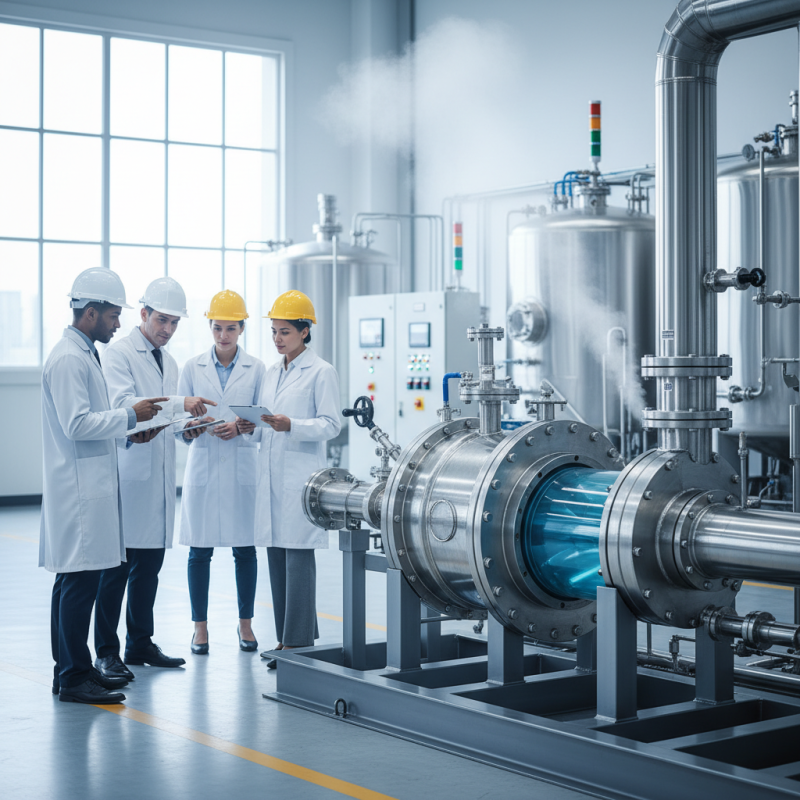
Liquid ring vacuum pumps play a crucial role in various industries, including pharmaceuticals, food processing, and chemical manufacturing. They function by utilizing a rotating impeller to create a liquid seal. This design helps to eliminate air and gases, allowing for the efficient removal of moisture and vapors. According to the latest industry reports, these pumps are capable of achieving vacuum levels down to 0.5 mbar. Their ability to handle large volumes of vapor makes them particularly effective in processes where condensation may occur.
One significant advantage of liquid ring vacuum pumps is their reliability. They operate at lower temperatures, causing less wear on components than dry vacuum pumps. Furthermore, these pumps utilize water or other liquids as the sealing medium, which can simplify maintenance. Industry studies have shown that proper maintenance extends the life of these pumps and promotes operational efficiency. However, it is important to note that choosing the wrong sealing liquid can lead to contamination and affect performance.
Despite their advantages, liquid ring vacuum pumps are not without challenges. Their energy consumption can be significant, making the choice of pump size critical. Additionally, the requirement for constant liquid circulation can complicate installations in some facilities. Users must weigh these considerations when integrating them into existing systems. This reflection on the balance between efficiency and operational complexity is vital for businesses aiming for optimal performance.
| Feature | Description | Benefits |
|---|---|---|
| Operating Principle | Uses a liquid (typically water) to create a vacuum by trapping gas in pockets formed by liquid rings. | Simplicity of design and easy maintenance. |
| Efficiency | Capable of achieving high vacuum levels while minimizing energy consumption. | Lower operational costs over time. |
| Versatility | Suitable for a wide range of applications including packaging, drying, and liquid transfer. | Adaptable to various industries and processes. |
| Durability | Built to withstand harsh conditions and corrosive environments. | Long service life and reduced downtime. |
| Low Operating Noise | Designed to operate quietly, reducing workplace noise pollution. | Improves working conditions for staff. |
: They are used in industries like pharmaceuticals, food processing, and chemical manufacturing.
They utilize a rotating impeller that creates a liquid seal to eliminate air and gases.
They can achieve vacuum levels down to 0.5 mbar and handle large vapor volumes.
Yes, they operate at lower temperatures, leading to less wear on parts compared to other types.
Regularly check liquid levels, seals, and clean components to ensure optimal performance.
Yes, using the wrong sealing liquid can lead to contamination and decreased efficiency.
Significant energy consumption and the need for constant liquid circulation can complicate installation.
Fewer moving parts mean reliability, but users must monitor liquid levels to avoid performance issues.
Sensors can detect liquid level issues early, helping maintain performance and prevent damage.
Ignoring maintenance may lead to decreased efficiency, costly repairs, and reduced lifespan.
Liquid Ring Vacuum Pumps are essential tools for various industrial applications due to their unique functionality and advantages. Understanding how these pumps operate reveals their effectiveness in maintaining consistent vacuum levels while handling wet and volatile materials. Their design offers several benefits over other vacuum pump types, including lower maintenance requirements and the ability to operate in harsh environments.
When selecting a Liquid Ring Vacuum Pump, businesses should consider factors such as the specific application needs, operating conditions, and the required vacuum levels. Additionally, regular maintenance is crucial for ensuring optimal performance and longevity of these pumps. By implementing proper care strategies, companies can maximize efficiency and reliability in their operations, making Liquid Ring Vacuum Pumps a smart choice for optimizing industrial processes.

 Tongyi Machinery