2026 Best Ways to Prevent Pump Leakage in Industrial Environments?

Time:2026-07-05 Author:Liam
0%

In the industrial sector, pump leakage poses significant risks. Addressing this issue is essential for ensuring safety and operational efficiency. Experts emphasize the importance of preventive measures to minimize leaks. John Smith, a leading authority in fluid dynamics, has stated, “Preventing pump leakage begins with understanding the system and regular maintenance.”

How to prevent pump leakage in industrial environments requires a multifaceted approach. Regular inspections play a crucial role. Many industries overlook this simple step, leading to unexpected failures. Using high-quality seals can drastically reduce leak occurrences. However, some companies opt for cheaper alternatives, tempting fate and risking costly downtime.

Training staff also contributes to leak prevention. A knowledgeable workforce can identify early signs of wear and tear. Yet, many organizations fail to invest in this vital aspect. Without proper training, employees might miss critical warning signs. Therefore, the journey to preventing pump leakage must include a commitment to quality and education.
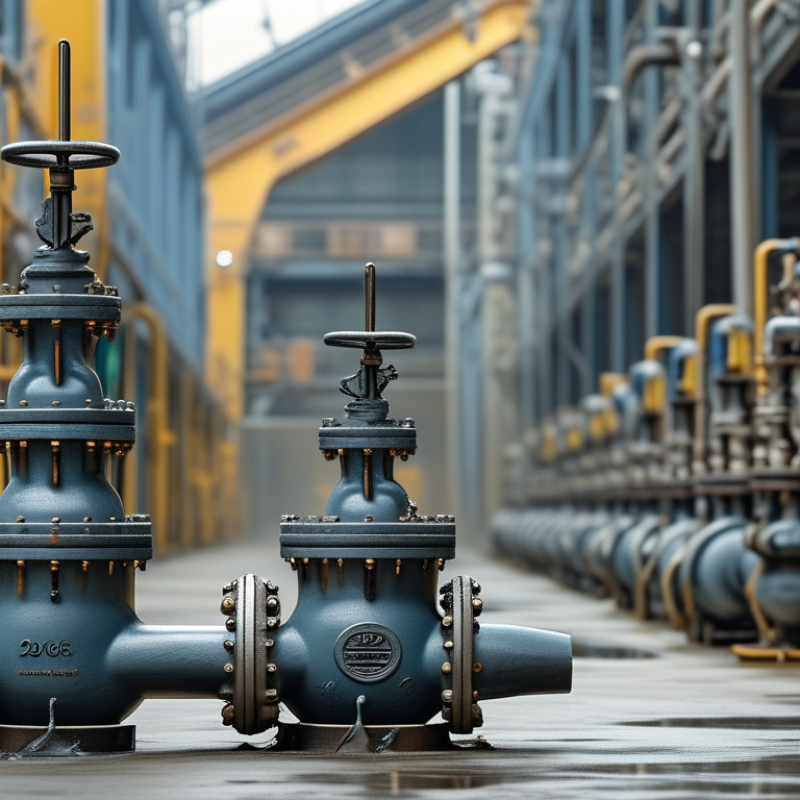
2026 Best Ways to Prevent Pump Leakage in Industrial Environments?

Understanding Pump Leakage: Causes and Consequences in Industrial Settings

Pump leakage is a serious issue in industrial environments. Understanding its causes is essential for prevention. Common causes include wear and tear, improper installation, and material incompatibility. According to a report by the American Society of Mechanical Engineers, approximately 30% of all industrial pumps experience some form of leakage. This not only affects operational efficiency but also leads to increased maintenance costs.

Implementing routine maintenance is a crucial tip to address these challenges. Regularly inspecting pumps can catch issues before they escalate. Pay attention to seals and gaskets, as these components are often the first to fail. Investing in quality materials can also reduce risks. Use materials that are chemically compatible with the fluids being pumped.

Training staff is another vital aspect. Ensure that operators are aware of the signs of leakage. Foster a culture of vigilance where employees report any suspicious leaks. Regular workshops can help reinforce best practices. Remember, preventing leakage is about collective responsibility. A proactive approach can save time and resources.

2026 Best Ways to Prevent Pump Leakage in Industrial Environments

Prevention Method Description Expected Result Implementation Cost Frequency of Maintenance
Regular Inspections Routine checks to identify wear and tear on seals and components. Reduced risk of unexpected leakage. Low Monthly
Seal Upgrades Upgrade to high-quality seals that can withstand harsh conditions. Improved resistance to leakage. Moderate Every 2 years
Proper Installation Ensure pumps are installed according to manufacturer specifications. Minimized operational issues leading to leakage. Variable As needed
Vibration Monitoring Use sensors to monitor vibration levels in pumps. Early identification of potential faults. High Continuous
Fluid Compatibility Checking Ensure that the pump materials are compatible with the fluid being pumped. Avoid chemical damage to components. Low Annually

Best Practices for Selecting Pumps to Minimize Leakage Risks

Choosing the right pumps is crucial for minimizing leakage in industrial settings. A recent study indicates that nearly 35% of pump failures result from seal failures, often leading to significant downtime and loss of productivity. Understanding the material compatibility of the pump with the fluids handled is key. For example, using elastomers that degrade quickly can lead to premature leakage.

Considering pump design is equally important. Centrifugal pumps typically have lower leakage rates compared to positive displacement pumps. Data from industry reports show that proper installation and maintenance can improve performance by up to 25%. Selecting pumps with mechanical seals rated for high pressure and temperature conditions can further reduce the risk of leaks.

Regular monitoring and predictive maintenance also play vital roles. A survey found that integrating IoT solutions can decrease unexpected pump failures by as much as 40%. However, reliance on technology should not overshadow the necessity of skilled personnel. Often, inadequate training can lead to improper installation, negating the benefits of advanced equipment. Investing in both quality pumps and expert training creates a balanced approach to reducing leakage risks.

Key Maintenance Strategies to Prevent Pump Leakage in Operations

Preventing pump leakage is crucial in industrial settings. Regular maintenance is key to ensuring efficiency and safety. Operators should frequently inspect seals and gaskets. Over time, these components wear out. Not replacing them could lead to significant leaks. A proactive approach can save costs and prevent downtime.

Routine checks should involve monitoring pump vibrations. Unusual vibrations may indicate underlying issues. Addressing these warnings early can prevent major failures. Training staff to recognize these signs is essential. Additionally, keeping a detailed maintenance log can help track changes. This data reveals patterns that might indicate a problem.

Environmental factors also affect pump performance. High temperatures or corrosive substances can accelerate wear. Implementing protective measures is necessary. Regular cleaning around the pump area prevents debris build-up. This reduces the risk of leakage and enhances operational efficiency. Maintaining a clean environment is not just a best practice; it’s a necessity.

2026 Best Ways to Prevent Pump Leakage in Industrial Environments

Implementing Advanced Technologies for Leak Detection and Prevention

In industrial environments, the risk of pump leakage can be a significant issue. Implementing advanced technologies for leak detection and prevention is essential. Modern sensors and monitoring tools offer real-time data on pump performance. These devices can detect unusual vibrations or temperature changes that indicate potential leaks. Companies should not underestimate the importance of timely maintenance procedures.

Using artificial intelligence can enhance existing monitoring systems. AI can analyze historical data to identify patterns that precede failures. By integrating machine learning algorithms, facilities can be better prepared for potential leaks. However, reliance on technology can also lead to complacency. Regular manual checks should not be neglected, as they offer insights that machines might miss.

Additionally, training employees on leak prevention technologies is vital. Knowledgeable staff can make informed decisions when issues arise. Trusting technology alone can create gaps in response plans. Reviewing both automated systems and human intervention regularly is essential. This balanced approach ensures comprehensive leak management in industrial environments.

Training Personnel: Essential Knowledge for Reducing Pump Leakage Issues

In industrial settings, training personnel is crucial for minimizing pump leakage issues. Studies indicate that inadequate training contributes to 35% of pump failure incidents. By equipping staff with essential knowledge, companies can directly address this common problem. Maintenance teams need to understand pump mechanisms, sealing methods, and common failure modes. Regular training sessions foster an environment of awareness.


Hands-on training plays a vital role. Simulated leak scenarios can enhance problem-solving skills. Employees learn how to detect early signs of leakage, such as unusual vibrations or temperature changes. Integrating real-life case studies allows personnel to analyze and reflect on past leakage incidents. This approach builds critical thinking and encourages proactive measures.


Establishing a culture of continuous improvement is also necessary. Regular feedback from employees can identify gaps in knowledge. A peer review system might help in sharing best practices. In many cases, colleagues voice concerns about maintenance protocols but feel hesitant to speak up. Creating an open channel for communication can lead to significant improvements in pump operation and reliability.

FAQS

: What are common causes of pump leakage in industrial settings?

: Common causes include wear and tear, improper installation, and material incompatibility.

How can routine maintenance help prevent pump leakage?

Routine maintenance allows for early detection of issues, especially with seals and gaskets which often fail first.

Why is staff training important for minimizing pump leaks?

Staff training is essential because inadequate training contributes to around 35% of pump failure incidents.

What are some best practices for selecting pumps to minimize leakage?

Choosing pumps with the right material compatibility and mechanical seals for high conditions can reduce leakage risks significantly.

How does regular monitoring affect pump performance?

Regular monitoring and predictive maintenance can decrease unexpected pump failures by as much as 40%.

What role does hands-on training play in addressing leakage issues?

Hands-on training helps employees recognize early signs of leakage and enhances their problem-solving skills.

How can a culture of continuous improvement help in pump operations?

A culture of continuous improvement encourages feedback and sharing of best practices, improving reliability over time.

What can lead to improper installation and negate technology benefits?

Inadequate training often leads to improper installation, overshadowing the advantages of advanced equipment.

How important is open communication among personnel in reducing pump issues?

Open communication is crucial, as it allows concerns about maintenance protocols to be addressed, improving overall operation.

Can simulated scenarios help staff in real-life leak situations?

Yes, simulated leak scenarios prepare staff to detect issues quickly, enhancing their proactive response skills.

Conclusion

Understanding how to prevent pump leakage in industrial environments is crucial for maintaining operational efficiency and safety. The article emphasizes the importance of recognizing the causes and consequences of pump leakage, which can lead to costly downtime and environmental hazards. Selecting the right pumps and implementing key maintenance strategies are vital steps in minimizing leakage risks.

Additionally, adopting advanced technologies for leak detection and prevention can significantly enhance the monitoring process. Training personnel to understand and address potential leakage issues is equally essential, ensuring that staff are equipped with the knowledge needed to uphold best practices. By focusing on these areas, industries can effectively reduce the occurrence of pump leakage and its associated challenges.

Liam

Liam

Liam is a dedicated marketing professional with a profound expertise in the industry, where he excels at highlighting the unique advantages of our core products. With a keen understanding of market trends and consumer needs, Liam frequently updates our company’s professional blog, providing......