2026 Best Ways to Prevent Pump Corrosion for Global Buyers?

Time:2026-05-25 Author:Mason
0%

Pump corrosion remains a significant issue for industries worldwide. According to a recent report from the International Journal of Corrosion, pump failures due to corrosion account for approximately 30% of operational downtime. For global buyers, identifying effective corrosion prevention strategies is essential. "What is the best way to prevent pump corrosion?" is a question that many seek to answer.

Corrosion can lead to significant financial losses. The National Association of Corrosion Engineers (NACE) estimates that corrosion costs the global economy about $2.5 trillion each year. A proactive approach is necessary to mitigate these costs. This involves utilizing advanced materials, coatings, and regular maintenance schedules. While many solutions exist, their effectiveness often depends on specific operating conditions.

Also, the effectiveness of maintenance practices varies widely among industries. Some companies may overlook the importance of regular inspections and proactive measures. This often leads to unexpected failures. Adopting a more rigorous approach could enhance reliability and efficiency. For global buyers, understanding these dynamics is critical to making informed decisions about pump maintenance and corrosion prevention.
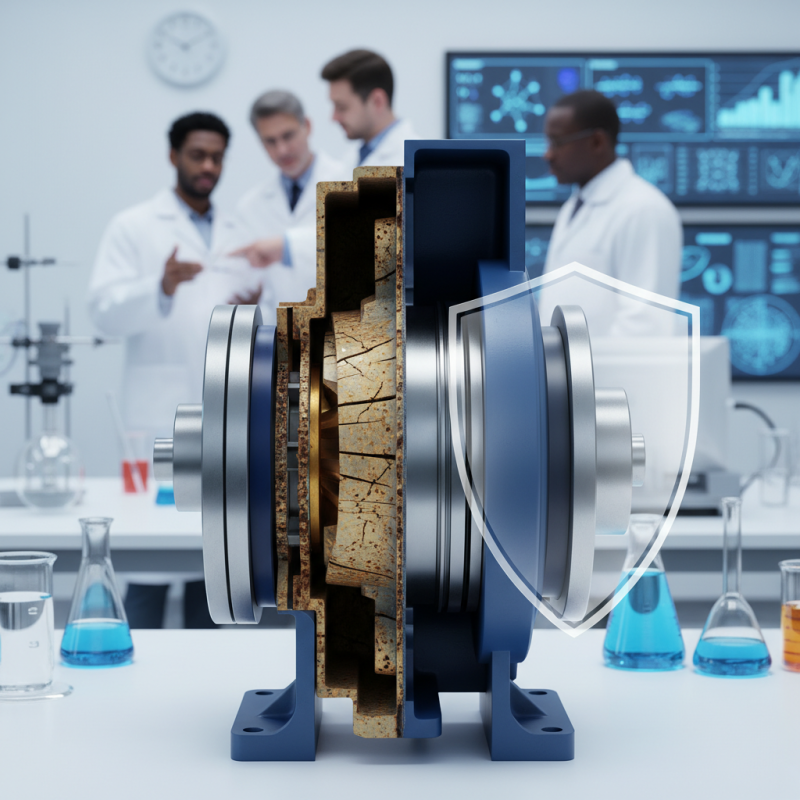
2026 Best Ways to Prevent Pump Corrosion for Global Buyers?

Understanding Pump Corrosion: Causes and Consequences

Pump corrosion is a significant issue in various industries. Understanding the causes is vital for addressing it. Corrosion can stem from chemical reactions, material choices, and environmental factors. For instance, pumps exposed to harsh chemicals often face rapid degradation. Additionally, improper maintenance accelerates corrosion rates, leading to costly repairs.

Tips: Regular inspections of pumps can help identify early signs of corrosion. Always clean pumps to remove any deposits that can cause corrosion. Ensure that materials used in pumps are suitable for the specific environment to minimize risk.

Another aspect to consider is the type of fluid being transported. Fluids with high acidity or salinity levels can severely corrode pump components. Employing protective coatings can create a barrier. However, these coatings may wear off and require reapplication. Monitoring pH levels regularly can mitigate potential risks.

Tips: Train staff to recognize corrosion signs. Implement a robust maintenance schedule to catch issues before they escalate. Investing in high-quality materials for pumps can pay off in longevity and performance.

Best Materials for Corrosion-Resistant Pumps: A Comprehensive Guide

Corrosion can significantly impact pump efficiency, leading to costly downtime. To combat this, selecting the right materials is crucial. Stainless steel, often recommended for its excellent resistance, is only one of the options available. According to a recent industry report, over 40% of pumps fail due to corrosion-related issues. This highlights the importance of material choice.

Corrosion-resistant alloys such as titanium and duplex stainless steel offer superior durability in harsh environments. For example, titanium exhibits outstanding resistance to chlorides, making it ideal for coastal applications. However, these materials may come with higher initial costs, raising questions about budget considerations.

Polymer composites are also gaining traction for their lightweight and corrosion-resistant properties. Studies show that pumps made from these materials can reduce maintenance costs by up to 30%. Yet, the durability of polymers in extreme conditions remains a point of concern. Potential buyers need to weigh these pros and cons carefully, ensuring they choose materials suited to their specific environment.

Preventative Coatings: Enhancing Pump Longevity and Efficiency

Preventative coatings play a crucial role in enhancing the longevity and efficiency of pumps. These coatings protect surfaces from corrosive elements that lead to wear and tear. Over time, even the best pumps can show signs of corrosion. This degradation reduces efficiency and increases downtime. Choosing the right coating can mitigate these issues effectively.

Applying a preventative coating involves precision and expertise. The application process needs proper surface preparation to achieve maximum adhesion. Different environmental factors can affect the choice of coating. For example, exposure to chemicals and varying temperatures calls for specialized solutions. It is essential to assess the operating conditions of pumps to select an appropriate coating.

While preventative coatings significantly decrease corrosion risk, they are not a cure-all. Regular maintenance and inspections are vital in identifying potential failures early. Users should reflect on their maintenance schedules and adjust them based on pump performance. Additionally, the wrong coating can lead to unexpected results. Testing and quality assurance should be integral parts of the coating process. This careful approach ensures that pumps continue to operate reliably in diverse conditions.

Routine Maintenance Strategies to Mitigate Pump Corrosion

Routine maintenance plays a critical role in preventing pump corrosion. Regular inspections are essential. By identifying early signs of corrosion, action can be taken before damage escalates. For instance, checking for surface rust or unusual wear can save time and costs over the long run. Remember, corrosion is often slow and insidious, requiring vigilance.

Another strategy is to maintain proper lubrication. Ensuring that bearings and other moving parts are well-lubricated reduces friction. This can help prevent overheating, which often accelerates corrosion. However, using the right type of lubricant is vital. Too much or too little can exacerbate issues instead of alleviating them.

While these strategies are effective, they are not foolproof. Regular communication with operators is important. Sharing observations can highlight potential problems. Workers on the ground often notice changes before they become significant. A proactive approach can make a real difference in extending the life of pump systems. Being aware of the need for adjustments is a reflection of good management.

Advanced Technologies for Monitoring and Reducing Pump Corrosion Risks

Pump corrosion poses a significant challenge for industries worldwide. Advanced technologies have emerged to monitor and reduce these risks effectively. According to a report by the National Association of Corrosion Engineers, corrosion costs the U.S. economy approximately $276 billion annually. This highlights the need for proactive measures.

Real-time monitoring systems are essential. They utilize sensors capable of detecting corrosion early. For instance, electrochemical impedance spectroscopy and ultrasonic testing can provide insights into the integrity of the pump. A study by the Journal of Materials Engineering reported that these technologies can reduce maintenance costs by up to 30%. However, implementing these systems requires skilled personnel who can interpret the data effectively.

Despite the advancements, challenges remain. Not all industries have adopted these technologies. Some still rely on traditional inspection methods, risking undetected corrosion. Acknowledging this gap is crucial for future progress. Ensuring proper training for personnel can bridge this divide. Every industry can benefit from these innovations if they focus on utilizing advanced monitoring technologies.

FAQS

: What is the impact of corrosion on pump efficiency?

: Corrosion can lead to significant efficiency loss and costly downtime for pumps.

Why is material selection important for pumps?

Choosing the right materials is crucial to reduce the risk of corrosion-related failures.

What types of materials are recommended for corrosion resistance?

Stainless steel, titanium, and duplex stainless steel are commonly used for their corrosion resistance.

Are there more affordable alternatives to expensive corrosion-resistant materials?

Polymer composites are lighter and cheaper, but their durability in extreme conditions is questionable.

How can routine maintenance help prevent pump corrosion?

Regular inspections can identify early signs of corrosion, saving time and money in the long run.

What maintenance strategies help reduce friction and overheating?

Proper lubrication of bearings and moving parts is essential but requires careful selection of lubricants.

Is communication among operators necessary for corrosion prevention?

Yes, operators can notice issues early, enabling timely interventions and enhancing pump longevity.

Can the effectiveness of maintenance strategies vary?

Yes, while they are helpful, they are not foolproof and may require adjustments based on observations.

How significant is the cost associated with pump corrosion?

Pumps that fail due to corrosion-related issues can incur high repair and replacement costs.

Should one always choose the most expensive materials for pumps?

Not necessarily. It's vital to evaluate material suitability based on specific environmental conditions.

Conclusion

In addressing the question of "What is the best way to prevent pump corrosion," it is crucial to first understand the underlying causes and consequences of pump corrosion, which can significantly affect performance and longevity. Selecting the right materials for corrosion-resistant pumps is fundamental; specific alloys and coatings can greatly enhance durability against corrosive environments.

Additionally, the application of preventative coatings serves as an effective strategy to boost both pump longevity and efficiency. Implementing routine maintenance practices further mitigates corrosion risks through regular inspections and upgrades as needed. Finally, leveraging advanced technologies for monitoring corrosion can enable timely interventions, ensuring optimal operation and extending the lifespan of pumps across various industries. Ultimately, a comprehensive approach that combines material selection, protective measures, maintenance, and technological advancements is key to preventing pump corrosion effectively.

Mason

Mason

Mason is a seasoned marketing professional with a deep expertise in the company's offerings and a passion for driving brand awareness. With a strong background in digital marketing strategies, he has an innate ability to connect with diverse audiences and effectively communicate product benefits.......