Industrial pumps play a crucial role in various sectors, from manufacturing to energy. Keeping these pumps in optimal condition is essential for operational efficiency. However, understanding how to maintain industrial pumps for a longer lifespan can seem daunting. Many operators overlook simple maintenance tasks or fail to implement effective strategies. This leads to unexpected downtime and increased costs.
Regular maintenance is vital for pump longevity. Cleaning, lubrication, and inspections can prevent minor issues from escalating. Operators may miss the importance of documenting maintenance activities. This can help identify patterns and predict failures. Additionally, engaging with experienced professionals enhances knowledge of best practices. This collaboration can provide valuable insights into unique pump requirements.
Emphasizing training for operators is often neglected. Well-trained staff can spot potential issues early, avoiding costly repairs. Investing in reliable parts and technologies also proves beneficial. Yet, some companies opt for cheaper alternatives that compromise performance. By focusing on comprehensive maintenance strategies, companies can extend the lifespan of their industrial pumps significantly. Practical knowledge and reliable processes make a tangible difference.
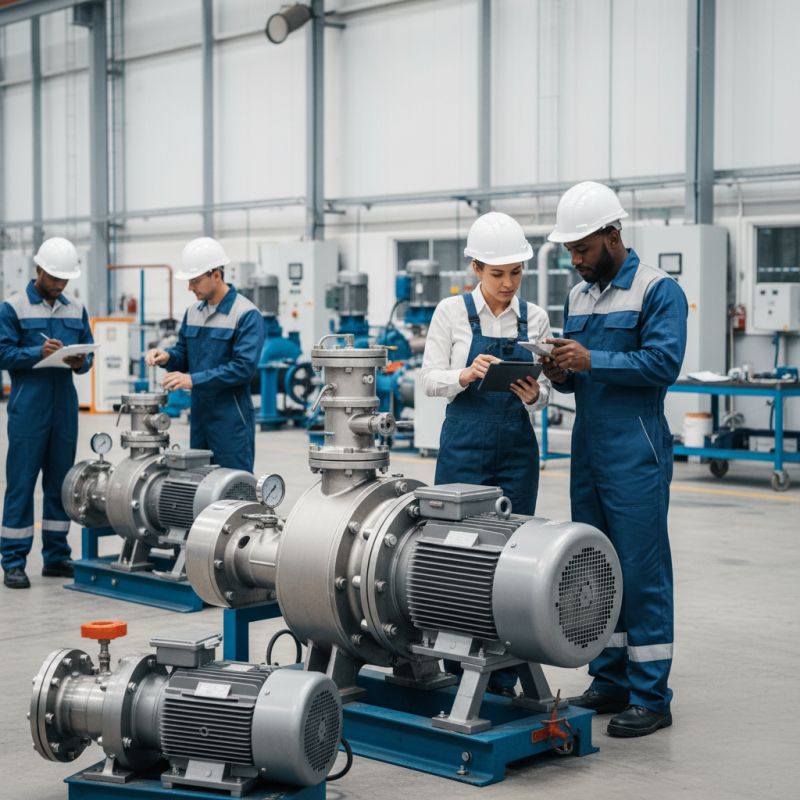
Proper maintenance of industrial pumps is crucial for extending their lifespan. Regular checks can identify potential issues before they escalate. Schedule routine inspections to examine seals, bearings, and impellers. Ensure that lubrication is adequate; lack of it can lead to premature wear.
Consider employing a vibration analysis tool. This method reveals imbalances that might otherwise go unnoticed. It can save you from costly repairs down the line. Clean the external surfaces frequently. Accumulated debris can affect performance and lead to overheating.
It's also important to document maintenance activities. This creates a historical record that helps in predictive maintenance. Sometimes, even small issues can indicate larger problems. For instance, unusual noises might suggest an alignment problem. Don’t ignore these signs. They require timely attention.
Selecting the right materials and components is vital for enhancing the lifespan of industrial pumps. It directly impacts durability and efficiency. For instance, using corrosion-resistant materials can prevent early failures in harsh environments. Stainless steel and high-grade plastics are often preferred due to their longevity and resilience. However, sometimes these materials can be more expensive. Careful consideration of costs is essential.
Manufacturers must assess the specific application's requirements. Not every pump needs the same quality materials. For example, a pump handling abrasive fluids might require different seals and casing than one used for clean liquids. Understanding these nuances is crucial but can be overlooked. Efforts to evaluate long-term performance over short-term savings are necessary.
Routine maintenance cannot be neglected either. Even the best materials can fail without proper care. Developing a solid maintenance schedule can help identify issues before they escalate. Regular checks on seals, bearings, and pumps reduce unexpected downtime. It's vital to balance quality with maintenance practices to truly optimize lifespan. This often involves continuous learning and adjustments based on real-world performance.
| Tip | Importance | Recommended Materials | Maintenance Frequency |
|---|---|---|---|
| Regular Inspection | Identifies issues early | Corrosion-resistant alloys | Monthly |
| Proper Lubrication | Reduces wear | High-viscosity oil | Every 3 months |
| Vibration Analysis | Detects imbalance | Steel or bronze | Quarterly |
| Seal Integrity Checks | Prevents leaks | PTFE or rubber seals | Bi-annually |
| Optimize Operating Conditions | Extends pump efficiency | High-performance composites | Continuous |
Understanding the impact of operating conditions on pump longevity is essential for maintaining industrial pumps. Many factors influence how long a pump lasts. Temperature fluctuations can cause wear and tear. For instance, high temperatures can lead to overheating, which shortens the pump's life. On the other hand, very low temperatures can affect viscosity and fluid flow.
Pressure levels also play a critical role. Operating a pump beyond its pressure limits can cause cavitation, leading to damage. It is crucial to monitor operational pressure and adjust as needed. Inadequate lubrication or poor fluid quality can introduce abrasive particles. These particles can cause internal damage over time.
Regular maintenance and inspection support longer pump life. Inspecting seals, bearings, and impellers helps identify issues early. However, not every issue is easily detectable. Some problems may only surface after years of operation. This uncertainty underscores the importance of adhering to optimal operating conditions. By prioritizing these factors, you can significantly extend the lifespan of industrial pumps.
Implementing predictive maintenance strategies using IoT technology can significantly enhance the lifespan of industrial pumps. By collecting real-time data, companies can predict failures before they occur. Sensors can monitor various parameters such as pressure, temperature, and vibration. This allows for timely interventions, preventing costly downtimes.
Tips for extending the lifespan of industrial pumps include regular monitoring of pump performance. Small changes in vibration can indicate problems. Simple checks like ensuring proper lubrication also help in maintaining efficiency. Utilizing machine learning algorithms to analyze historical performance data is another way to spot potential failures early.
Another effective strategy is employee training. Knowledgeable staff can detect anomalies that sensors might miss. Encourage operators to report unusual sounds or behaviors of the pumps. Equipment maintenance should not be reactive. Scheduled check-ups based on IoT insights can lead to a more robust preventative care plan. However, relying solely on technology can sometimes overlook human observation. Balancing both is key to maintaining pump longevity.
This chart illustrates the effectiveness of various predictive maintenance strategies using IoT technology in extending the lifespan of industrial pumps. The data highlights the percentage improvement in pump lifespan with each strategy implemented.
Effective training for employees on pump operation is essential. It can drastically reduce downtime and maintenance costs. Regular workshops help staff understand pump mechanics and operations. Engaging scenarios can reinforce learning and retention.
Moreover, troubleshooting techniques should be a critical training component. Employees must recognize early signs of pump failure. Simple steps can prevent larger issues. Encouraging questions during training can enhance understanding. However, not all employees grasp concepts immediately. Continuous education is key in achieving mastery.
Hands-on experience is invaluable. Simulating real-life problems prepares staff for actual challenges. Feedback sessions provide insights into training effectiveness. Sometimes, misunderstandings arise. Addressing these gaps is crucial. A culture of open communication fosters learning and improves pump reliability over time.
: Regular maintenance extends the lifespan of pumps and identifies potential issues early.
Routine inspections should be scheduled regularly to check seals, bearings, and impellers.
A vibration analysis tool can help detect imbalances that may not be easily noticed.
High temperatures can cause overheating, while low temperatures can affect fluid flow and viscosity.
Operating a pump beyond its pressure limits can lead to cavitation, causing damage over time.
Documenting maintenance creates a historical record, assisting in predictive maintenance decisions.
Employees should be trained on pump operation, troubleshooting techniques, and early signs of failure.
Hands-on experience prepares employees for real-life challenges, enhancing their problem-solving skills.
Addressing misunderstandings and encouraging questions during training can improve their understanding.
Continuous education helps employees master pump operation and reduces misunderstandings over time.
In the article "2026 Best Tips for Extending the Lifespan of Industrial Pumps," various strategies are explored on how to maintain industrial pumps for a longer lifespan. Key practices include conducting regular maintenance and ensuring that the right materials and components are selected for specific pump applications. Understanding the operating conditions that affect pump longevity is pivotal; adverse conditions can significantly shorten the life of a pump.
Furthermore, the implementation of predictive maintenance strategies, particularly through IoT technology, allows for real-time monitoring and early detection of issues, which can prevent costly failures. Finally, training employees on proper pump operation and troubleshooting techniques enhances operational efficiency and minimizes downtime, contributing to the overall longevity of the pumps. By applying these best practices, industries can maximize the performance and durability of their pumping systems.

Tongyi Machinery