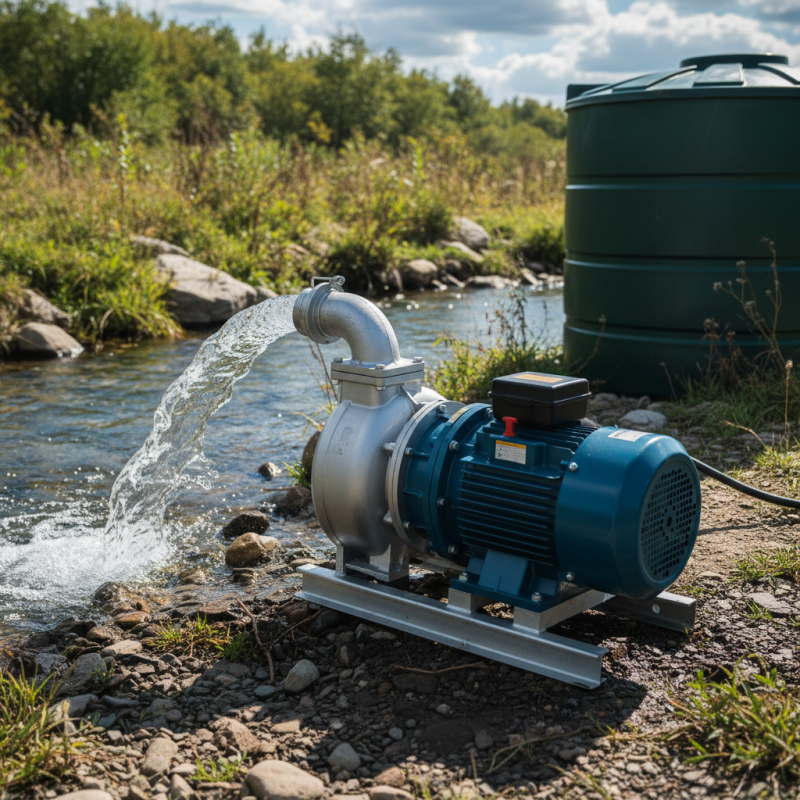
Self-priming pumps are vital in various water transfer applications. Their unique design caters to efficiency and reliability. Therefore, many industries rely on them. But why is a self-priming pump suitable for water transfer?
One reason is their ability to create a vacuum. This allows them to draw water without manual intervention. Users benefit from reduced downtime and enhanced productivity. Their portability makes them ideal for different terrains. Moreover, they handle air and water mixtures effectively, ensuring continuous operation.
Understanding these aspects fosters trust in their performance. Self-priming pumps also require minimal maintenance. Still, they’re not without challenges. Users must be aware of the need for proper installation. Each application may pose different obstacles. Considering these factors leads to better decision-making for water transfer needs.
Advantages of Self-Priming Pumps for Efficient Water Transfer
Self-priming pumps offer several advantages that make them ideal for efficient water transfer. These pumps eliminate the need for manual priming. This feature saves time and labor, especially in environments where quick deployment is crucial. According to a recent report by the Hydraulic Institute, self-priming pumps can reduce setup time by up to 50%. This efficiency can significantly improve productivity in irrigation, construction, and municipal applications.
Another notable advantage of self-priming pumps is their ability to handle air in the water. They can operate in conditions where priming is compromised, maintaining flow efficiency even with minimal water levels. The flexibility of self-priming pumps allows for operation in various settings, from wells to ponds, with a reported increase in versatility by 30% compared to traditional pumps.
However, there are challenges to consider. Over time, self-priming pumps can experience wear and tear, potentially leading to reduced efficiency. Regular maintenance is necessary to avoid performance issues. It's essential to strike a balance—efficiency versus upkeep. Water managers should be aware of these factors when choosing the right pump for their needs.
Key Features of Self-Priming Pumps That Enhance Performance
Self-priming pumps stand out for their efficiency in water transfer. A key feature is their ability to create a suction effect that allows them to draw liquid from a source without needing priming. This unique capability is crucial for environments where water sources are located below the pump level. It simplifies operations and saves time. Many users positively note this aspect, praising how it alleviates the hassle of manual priming.
Another important characteristic is their durability. Constructed from high-quality materials, self-priming pumps can withstand rigorous conditions. They handle debris and varying water qualities effectively. Yet, some users have encountered issues with clogging; regular maintenance is essential to prevent this. It’s a reminder that while these pumps are robust, they are not invincible.
Additionally, self-priming pumps feature versatile designs. They can be used in numerous applications, from agriculture to urban drainage. Their adaptability is often highlighted by professionals in the field. However, it’s crucial to match the pump to the specific task. Mismatches can lead to inefficiencies and could negate their advantages. Understanding the key features helps ensure optimal performance for any water transfer needs.
Comparison with Traditional Pumps: Why Self-Priming Wins
Self-priming pumps are a game-changer in water transfer. Unlike traditional pumps, which require priming before operation, self-priming models can draw water from a source without prior setup. This feature simplifies the process, making it more user-friendly. Many users find themselves frustrated with manual priming, often leading to spills or airlocks. Self-priming pumps eliminate these issues.
The reliability of self-priming pumps stands out when compared to conventional options. Traditional pumps rely heavily on proper installation and maintenance. A minor error in setup can lead to inefficiencies. Self-priming pumps, however, are designed for quick deployment. They can manage variable water levels and inconsistent sources better. This adaptability makes them ideal for agricultural or construction sites where conditions change quickly.
Maintenance is another area where self-priming pumps excel. They require less frequent checks compared to traditional systems. Users have reported significant time savings when switching. However, some still wonder if these pumps are as durable. While they are robust, like all machinery, they need care. Ultimately, understanding the specific requirements of your water transfer task is essential for selecting the right pump.
Applications of Self-Priming Pumps in Various Industries
Self-priming pumps play a crucial role across various industries, offering efficient solutions for water transfer. In agriculture, for instance, they ensure reliable irrigation, channeling essential water resources to crops. According to the Agricultural Water Management Association, efficient water management can increase crop yields by 20% to 30%. This makes self-priming pumps particularly valuable in regions where water scarcity is an ongoing challenge.
In construction, self-priming pumps are indispensable. They handle muddy and debris-laden water often encountered at job sites. A report by the Construction Industry Research Board highlights that water management can reduce project delays by 15% if handled effectively. These pumps enable quick water removal, contributing to smoother operations. Their ability to self-prime means reduced downtime, which is critical for project timelines.
While self-priming pumps offer significant advantages, users must remain aware of their limitations. For instance, they may struggle with high viscosity fluids or extreme temperatures. Regular maintenance is vital for optimal performance. Understanding these nuances can lead to better strategies in various applications. Investing time and resources into proper upkeep can yield more consistent results in diverse environments.
10 Best Reasons Why Self Priming Pumps Are Ideal for Water Transfer
Maintenance Tips for Maximizing the Lifespan of Self-Priming Pumps
Self-priming pumps are efficient tools for water transfer. However, proper maintenance is key to their longevity. Regular inspection is vital. Check the pump for any leaks or signs of wear. This simple step can prevent bigger issues down the road. Keeping the pump clean helps avoid debris buildup. Debris can lead to clogs, affecting performance.
Routine lubrication is another essential aspect. Ensure that all moving parts are well-greased. This reduces friction and wear. Additionally, monitor the pump's operating temperature. Overheating can signal trouble. If temperatures are high, inspect your pump immediately. Filters should also be cleaned frequently. Dirty filters can restrict flow and cause pump strain.
Consider the environment where the pump operates. Extreme conditions can affect efficiency. If the pump runs dry, it could cause severe damage. Therefore, always check the water level before operation. A little proactive care goes a long way. Creating a maintenance schedule can be beneficial. Record any repairs or adjustments made. This habit can help you understand your pump’s health over time.
Conclusion
Self-priming pumps are increasingly favored for water transfer due to their numerous advantages that enhance efficiency and performance. One of the key factors that answer "Why is self-priming pump suitable for water transfer" lies in their ability to draw fluid without external priming, which significantly reduces downtime and labor during operation. Their design includes features that improve durability and functionality, making them superior to traditional pumps that often require manual priming.
Moreover, self-priming pumps find applications across various industries, from agriculture to construction, where reliable water transfer is critical. Proper maintenance practices play a vital role in extending their lifespan, ensuring that these pumps continue to perform effectively over time. In summary, the unique features and operational advantages of self-priming pumps make them an ideal choice for efficient water transfer in diverse environments.

 Tongyi Machinery