When considering industrial pumps, many people ask, "What factors affect the performance of industrial pumps?" Understanding this is crucial for ensuring efficiency and reliability. Industrial pumps play a vital role in various sectors, from manufacturing to energy production. Their effectiveness can directly impact productivity and operational costs.
Several key factors influence the performance of these pumps. These include pump design, fluid properties, and system configuration. Variations in these areas can lead to significant differences in efficiency and longevity. The choice of materials and technology also matters. Manufacturers often need to balance initial costs with long-term performance, which can be a challenging decision.
Additionally, maintenance practices greatly affect pump operation. Regular checks and balances help maintain peak performance levels. It's easy to overlook these factors, but neglecting them can lead to increased downtime or failures. Being aware of the potential pitfalls is essential for anyone involved in pump operations.
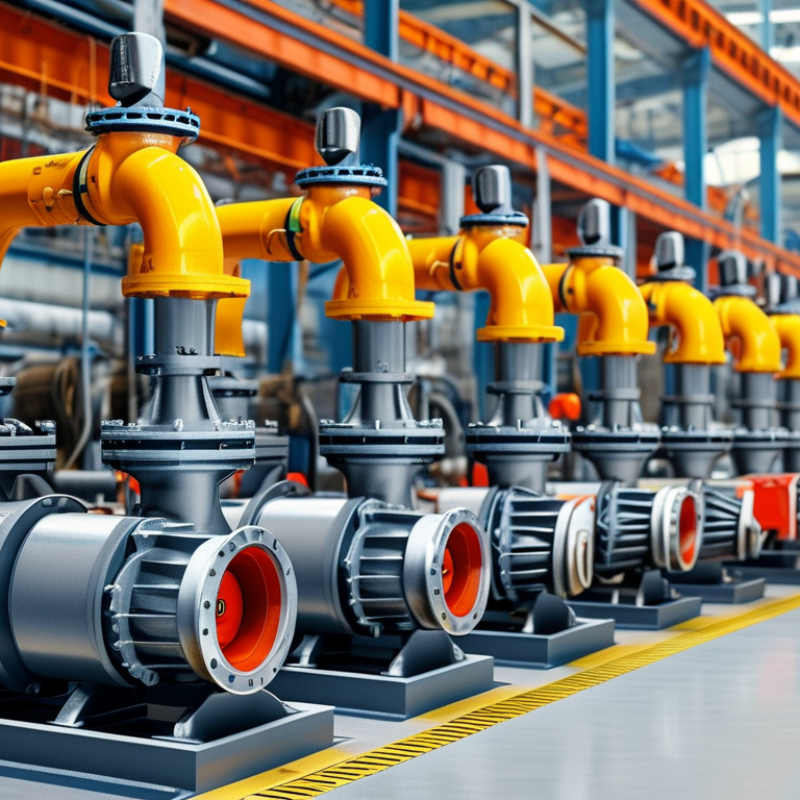
When considering the efficiency of industrial pumps, specific design characteristics play a crucial role. Key factors include pump type, impeller design, and maintenance protocols. Research from the Hydraulic Institute indicates that improper impeller selection can reduce pump efficiency by up to 30%. The right impeller not only affects flow rate but also energy consumption.
Choosing the correct pump size is essential. An oversized pump can lead to excessive energy use and maintenance issues. According to the American Society of Mechanical Engineers, the energy wastage from oversized pumps can account for 20-50% of total operating costs. Regularly reviewing pump sizing and service conditions is vital for optimal performance.
Tips: Always keep a maintenance log. Document any inefficiencies and check for wear. This log can provide insight into persistent problems. Another tip is to analyze flow measurements periodically. Doing so can help in making timely adjustments and avoiding unnecessary energy expenditures. Regular inspections can also mitigate unexpected failures, promoting longevity in pump performance.
Fluid properties play a critical role in determining the performance metrics of industrial pumps. These properties include viscosity, density, and temperature. For instance, a 2021 industry report noted that a 10% increase in fluid viscosity can lead to a 20% decrease in pump efficiency. This dramatic effect emphasizes the importance of selecting the right fluids for specific applications. It's vital to monitor how these properties change with operational conditions.
Temperature changes can significantly affect a pump’s performance. At higher temperatures, fluids may become less viscous, which can improve flow rates. However, this may also lead to cavitation issues, which can damage the pump over time. A study by the Hydraulic Institute found that over 40% of pump failures are related to cavitation caused by inappropriate fluid properties. This highlights the need for careful consideration when managing fluid temperature and properties.
Additionally, fluid density influences the pump's hydraulic performance. When pumping denser fluids, the energy required increases. Proper calculations and adjustments are essential to ensure that pumps operate within their designed specifications. Many facilities overlook these factors, leading to inefficiencies and increased operational costs. Continuous monitoring and adjustment are critical for maintaining optimal performance in industrial pumping systems.
The operational effectiveness of industrial pumps significantly relies on their type and configuration. Specific designs cater to unique applications, influencing factors like efficiency, maintenance, and durability. A report from the Hydraulic Institute indicates that properly configured centrifugal pumps can achieve up to 90% efficiency in optimal conditions. However, this can drop dramatically with incorrect installations or unsuitable designs.
Different pump types also demonstrate varying performance under specific conditions. For instance, positive displacement pumps often handle viscous fluids better than centrifugal models. Conversely, centrifugal pumps may excel in applications requiring high flow rates. It’s crucial to analyze the specific needs of an operation when selecting pump types. Industry statistics suggest that misalignment in pump selection and application can lead to energy losses of 20% or more.
Configuration plays a critical role in establishing the pump's reliability. Many facilities overlook aspects like suction piping alignment and elevation differences, which can severely impact performance. Modifications to pump orientation or adjustments in piping design can often lead to improved operational efficiency. Yet, these changes are rarely prioritized in maintenance schedules, leading to long-term inefficiencies. An understanding of these parameters is essential for professionals aiming to optimize pump performance.
| Factor | Description | Impact on Performance |
|---|---|---|
| Pump Type | Different types (centrifugal, positive displacement) perform uniquely in various applications. | Determines efficiency and suitability for specific fluids. |
| Configuration | Arrangement of components affects flow dynamics and maintenance. | Affects pressure losses and overall system performance. |
| Fluid Properties | Viscosity, density, and temperature of the fluid impact pump operation. | Influences flow rates and energy consumption. |
| Pump Sizing | Correct sizing is crucial for achieving desired performance. | Improper sizing can lead to inefficiencies and premature failure. |
| Inlet Conditions | Pressure and temperature at the pump inlet can influence cavitation risk. | Affects stability and longevity of the pump operation. |
| Maintenance Practices | Regular maintenance ensures optimal performance and reliability. | Prevents unexpected downtime and extends service life. |
| Operating Speed | Speed of operation can impact flow rate and efficiency. | Higher speeds may improve throughput but can lead to increased wear. |
| Pipeline Design | The layout and diameter of pipes affect flow resistance. | Optimized design enhances the overall system efficiency. |
| Control Systems | Automation and monitoring systems influence operational efficiency. | Improves responsiveness to changes in demand and conditions. |
The layout and installation of industrial pumps are critical for their performance. An improper setup can lead to issues like cavitation or air entrapment. These problems reduce efficiency and increase wear on components. For example, if a pump is installed too close to bends or valves, flow disruption can occur. This creates turbulence and reduces overall effectiveness.
Attention to pipe sizing is also essential. Undersized pipes can lead to increased friction losses. This further reduces the pump’s ability to provide adequate flow and pressure. Moreover, the elevation of the pump can significantly impact its functionality. Installing a pump at an incorrect height may force it to work harder, leading to premature failure.
In some cases, improper alignment during installation can cause excessive vibration. Such vibrations can loosen connections and create leaks. Maintaining precise alignment and ensuring robust supports is often overlooked. Regular inspections can identify these flaws before they escalate. Adjustments may be needed to optimize performance, highlighting the importance of careful planning and execution in pump installation.
Pumps are vital in various industries. Proper maintenance practices greatly enhance their lifespan and reliability. Regular inspections and timely repairs can prevent major failures. Neglecting maintenance may lead to unexpected downtime. This disrupts operations and increases costs.
Tips: Create a maintenance schedule. Regularly check seals and bearings. Inspect for leaks, corrosion, and wear. These steps maintain optimal performance. If any unusual noise occurs, address it immediately. This could indicate underlying issues.
Monitor operating conditions. Ensure that pumps operate within recommended ranges. Excessive heat can damage key components. Understand the type of fluid being pumped. Some fluids require specific attention. For example, abrasive materials can wear parts faster.
Documentation is essential. Keep records of maintenance activities and issues. This helps in identifying patterns over time. Reflect on past maintenance practices. Learn from any previous oversights. Continuous improvement leads to better performance and reliability.
: Fluid viscosity, density, and temperature are crucial for pump metrics. Changes in these properties can significantly impact performance.
A 10% rise in viscosity can lead to a 20% drop in efficiency. Selecting the right fluid for the application is essential.
Higher temperatures can reduce fluid viscosity and improve flow, but risk cavitation that can damage the pump.
Cavitation occurs when vapor bubbles form in liquid. It's a major cause of pump failures, linked to fluid property management.
Different pump types handle specific fluids and conditions. Misalignment in selection can lead to significant energy losses.
Improper setup can cause cavitation and air entrapment. This disrupts flow and increases wear on pump components.
Undersized pipes increase friction losses, reducing flow and pressure. Proper sizing is critical for maintaining pump functionality.
Installing a pump at the wrong height can force it to work harder. This leads to reduced efficiency and potential failure.
Regular inspections can prevent excessive vibration and leaks. Proper alignment and support are often overlooked but vital for performance.
Ongoing assessment of fluid properties and pump conditions helps maintain optimal performance and prevents costly inefficiencies.
The performance of industrial pumps is influenced by several critical factors that determine their efficiency and effectiveness in various applications. Key design characteristics, such as impeller design and pump sizing, play a pivotal role in optimizing pump efficiency and adapting to specific operational needs. Additionally, fluid properties—such as viscosity, temperature, and density—substantially impact performance metrics, affecting the pump's ability to move fluids smoothly and efficiently.
Moreover, the type and configuration of the pump, whether centrifugal or positive displacement, also significantly affect its operational effectiveness. The system layout and installation practices can further enhance or hinder functionality, highlighting the importance of proper positioning and piping arrangements. Regular maintenance practices are crucial for extending the lifespan and reliability of industrial pumps. Therefore, understanding these factors is vital when considering what factors affect the performance of industrial pumps to ensure optimal operation and longevity.

Tongyi Machinery