What is the difference between centrifugal and diaphragm pumps? The answer begins with operating principle, not brand preference. A centrifugal pump transfers energy through a rotating impeller, creating continuous flow. A diaphragm pump uses reciprocating membrane movement and positive displacement. That distinction affects pressure, viscosity, solids handling, pulsation, maintenance, and energy use.
The International Energy Agency reports that electric motor systems consume roughly half of global electricity. Pumping systems form a significant share of that demand. The U.S. Department of Energy also identifies pumping systems as major industrial energy users, especially when throttling, oversized motors, or poor controls are involved. Small design errors become expensive over thousands of operating hours. The Hydraulic Institute recommends evaluating the complete system, including friction losses, control methods, fluid properties, and lifecycle cost.
Pump expert Igor J. Karassik described a pump as “a machine that imparts energy to a liquid.” That statement remains useful, but it does not identify the best pump for every duty. Centrifugal pumps often suit clean, low-viscosity fluids and steady high flow. Diaphragm pumps can handle air entrainment, abrasive slurries, and variable dosing more confidently. They can also introduce pulsation, noise, and higher maintenance demands.
The line is not always clean. A carefully selected diaphragm pump may outperform a centrifugal pump in difficult service. A poorly sized pump can waste energy regardless of type. This 2026 comparison examines real operating conditions, not marketing claims, to determine which technology fits each application better.
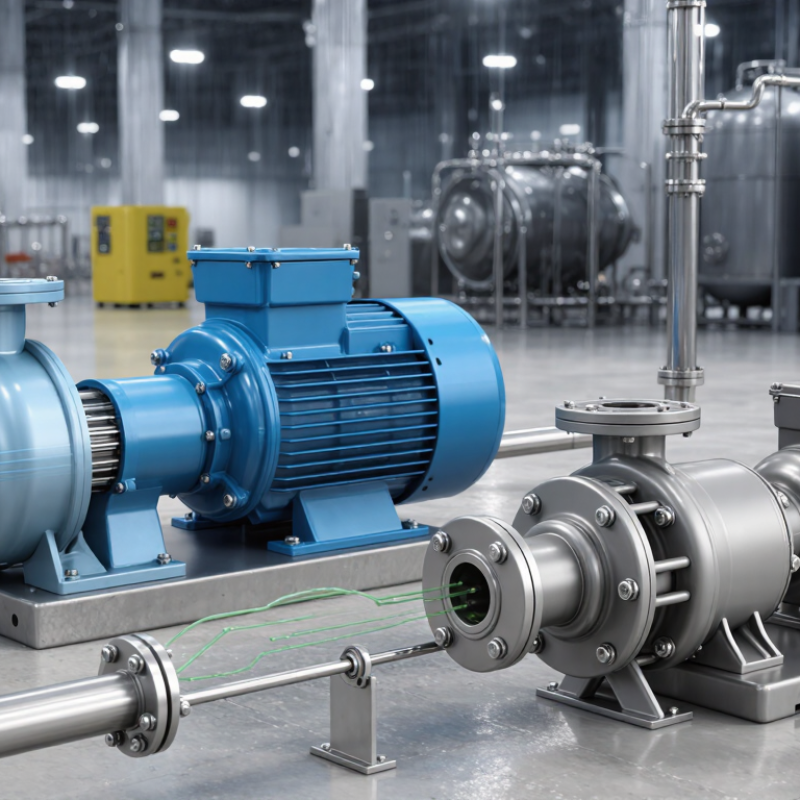
A centrifugal pump uses a rotating impeller to transfer liquid continuously. Pressure rises as the impeller adds velocity, then the casing converts velocity into pressure. These pumps suit clean water, cooling circuits, and steady process flow. They usually need liquid inside the casing before starting. Dry running can damage internal surfaces quickly.
A diaphragm pump moves fluid through a flexible membrane and check valves. The membrane separates the liquid from the drive mechanism. This design handles viscous, abrasive, or chemically aggressive fluids more safely. Air-operated models can also run against a closed discharge without immediate mechanical damage. The flow is pulsating, though. That detail affects pipe supports, meters, and filling accuracy.
The U.S. Department of Energy reports that pumping systems may represent 25% to 50% of industrial energy consumption. The Pump Life Cycle Costs guide, published by Hydraulic Institute and Europump, notes that energy can dominate total pump ownership costs. Centrifugal pumps often win on efficient, continuous duty. Diaphragm pumps may reduce leakage risks and simplify difficult fluid handling. The comparison is less clean than sales charts suggest. A poorly sized centrifugal pump wastes energy, while an oversized diaphragm pump wastes compressed air. Field measurements matter more than assumptions. Check viscosity, solids, suction conditions, duty cycle, and maintenance access before choosing. Some specifications look precise. They are not always realistic.
A centrifugal pump uses a spinning impeller to move liquid. The impeller adds velocity, while the casing converts that velocity into pressure. Liquid enters near the shaft and leaves through the discharge port. Stable flow usually requires a filled suction line and proper priming. The actual result depends on pump speed, pipe resistance, liquid temperature, and elevation. Small air leaks can reduce performance quickly. That detail matters.
A diaphragm pump works differently. A flexible diaphragm moves backward and forward inside the pump chamber. Check valves control the liquid direction during each stroke. An air-operated model uses compressed air, while an electric model uses a mechanical drive. This positive-displacement action can handle thicker liquids and some suspended solids. It can also run dry for limited periods, depending on construction and operating conditions. Flow arrives in pulses. The pattern is simple.
From practical maintenance inspections, centrifugal pumps often provide smoother flow and lower pulsation in continuous services. Diaphragm pumps offer useful control when suction lift, viscosity, or changing flow demands create problems. Operators should check pressure ratings, diaphragm materials, valve wear, and air consumption before selecting equipment. I have seen performance estimates fail when engineers ignored pipe friction or assumed clean liquid conditions. Textbook comparisons can be too neat. Real installations deserve measured data, not confident guesses.
Choosing between centrifugal and diaphragm pumps depends on more than rated flow. Actual performance changes with viscosity, temperature, solids, suction conditions, and discharge pressure. Centrifugal pumps typically provide smooth, continuous flow at moderate viscosity. Their performance is efficient when moving clean, low-viscosity liquids through stable systems.
Diaphragm pumps use positive displacement. They can handle thicker fluids, suspended particles, and variable pressures with greater control. Their flow usually has pulsation, so a dampener may protect instruments and improve dosing accuracy. They also tolerate intermittent dry running better, although every design has limits. The diaphragm, valves, and seals still require inspection.
In field assessments, centrifugal pumps often lose capacity when liquid viscosity rises. A pump rated for water may struggle with syrup-like fluid. Diaphragm pumps can maintain delivery against changing resistance, but they may consume more energy and operate more slowly. That trade-off is easy to overlook.
For delicate liquids, diaphragm action may reduce damaging shear, but pulsation can affect foam-sensitive processes. Centrifugal pumps suit high-volume transfer, cooling circuits, and relatively clean liquids. Diaphragm pumps suit metering, sludge, coatings, and fluids containing small solids. Selection should compare the complete duty point, not only the catalogue flow rate. A previous choice may appear efficient until maintenance records reveal frequent valve blockage.
Centrifugal and diaphragm pumps serve different operating realities. The better choice depends on fluid behavior, pressure changes, and maintenance access. A centrifugal pump suits clean, low-viscosity liquids with steady flow. It performs well in cooling loops, water transfer, irrigation, and large process lines. The rotating impeller creates continuous flow, often with lower energy use at its design point. The U.S. Department of Energy reports that pumping systems can represent about 25% of industrial electricity consumption, so correct sizing matters.
Diaphragm pumps fit difficult fluids better. They handle sludge, solvents, abrasive mixtures, and liquids containing suspended solids. Their positive-displacement action supports accurate dosing and strong suction lift. Air-operated versions can also run safely where electrical equipment presents concerns. However, compressed-air demand can raise operating costs. The Hydraulic Institute emphasizes evaluating total life-cycle cost, not purchase price alone. That advice is easy to overlook.
Choose centrifugal technology for stable, high-volume transfer. Choose diaphragm technology for variable pressure, dry-running risk, or precise metering. In a workshop, a centrifugal pump may fill a tank quickly, while a diaphragm pump moves thick chemical solution through a narrow hose without losing control. Yet neither option is automatically superior. A badly selected diaphragm pump wastes air, and an oversized centrifugal pump may throttle energy away. Real fluid testing is still the most reliable decision. Be cautious with simplified comparisons.
| Comparison Dimension | Centrifugal Pump | Diaphragm Pump | Best-Fit Guidance |
|---|---|---|---|
| Operating principle | Uses a rotating impeller to convert motor energy into fluid velocity and pressure. It normally requires continuous liquid filling for stable operation. | Uses reciprocating diaphragm movement to displace a fixed volume of liquid. Air-operated designs use compressed air; mechanically driven designs use a motor and drive mechanism. | Choose centrifugal technology for continuous-flow duties; choose diaphragm technology when positive displacement, self-priming, or intermittent transfer is important. |
| Typical flow range | Approximately 1 to more than 1,000 m³/h, depending on pump size, impeller design, and operating speed. | Approximately 0.01 to 100 m³/h for common industrial units, with the actual range determined by diaphragm size, stroke, and air or drive capacity. | Centrifugal pumps generally suit medium-to-high, steady flow. Diaphragm pumps suit low-to-medium flow and dosing or transfer duties. |
| Pressure and head capability | Common systems provide approximately 5 to 150 m of liquid head; multistage designs can provide substantially higher pressure. | Many industrial air-operated units commonly deliver up to about 7–8 bar discharge pressure; mechanically actuated diaphragm pumps can be designed for higher pressures. | Use centrifugal pumps for high-volume circulation and head generation. Use diaphragm pumps where flow rate is moderate but discharge pressure must be maintained across changing conditions. |
| Flow behavior | Produces relatively smooth and continuous flow, although pulsation may occur in some high-speed or poorly selected systems. | Produces pulsating flow because liquid is moved during discrete suction and discharge strokes. Pulsation dampeners can reduce fluctuations. | Centrifugal pumps are preferable for heat exchangers, spray systems, and process lines requiring smooth flow. Diaphragm pumps are suitable when pulsation is acceptable or controllable. |
| Self-priming and suction lift | Standard centrifugal pumps are generally not self-priming and may be damaged by extended dry running. Self-priming models are available but require correct priming conditions. | Many air-operated diaphragm pumps are self-priming and can lift liquid from several metres, subject to fluid properties, hose size, and pump configuration. | Diaphragm pumps are usually better for emptying tanks, sumps, drums, and lines where the pump may start without a flooded suction. |
| Dry-running tolerance | Usually poor. Dry running can overheat mechanical seals, damage wear components, and reduce service life. | Air-operated diaphragm pumps can often tolerate intermittent dry running because there is no rotating seal or impeller, although diaphragm and valve wear still occur. | Use diaphragm pumps for applications with uncertain liquid availability. Protect centrifugal pumps with level controls, dry-run sensors, or flooded-suction arrangements. |
| Viscosity handling | Best with low-viscosity liquids. Performance and efficiency decrease as viscosity increases because friction and internal losses rise. | Handles viscous liquids more effectively at controlled speeds, but flow capacity decreases as viscosity increases and suction conditions become more demanding. | Diaphragm pumps are generally better for slurries, pastes, oils, adhesives, and other viscous liquids, provided the diaphragm and valve materials are compatible. |
| Solids and suspended particles | Standard designs are sensitive to abrasive solids and clogging. Solids-handling impellers can pass larger particles but may sacrifice efficiency. | Can handle suspended solids and many abrasive or shear-sensitive slurries. Passage size depends on the check-valve design and pump size. | Choose a diaphragm pump for sludge, wastewater solids, ceramic slips, pigments, and particulate-laden liquids when pulsating flow is acceptable. |
| Gas or entrained air | Performance can deteriorate significantly when air accumulates in the casing or suction line. Excessive gas may cause loss of prime or cavitation-like behavior. | Generally handles entrained air and gas-liquid mixtures better, especially in air-operated designs, although excessive gas can still reduce capacity. | Diaphragm pumps are normally more reliable for liquids containing air, intermittent gas pockets, or variable tank levels. |
| Efficiency and operating cost | Often achieves approximately 40–85% hydraulic efficiency, depending on size and duty point. Electric drive systems are usually economical for continuous operation. | Overall efficiency is commonly lower, particularly for air-operated models, because compressed-air generation and valve losses consume additional energy. | Use centrifugal pumps for long operating hours, high flow, and stable duty points. Consider diaphragm pumps when flexibility and process reliability outweigh energy cost. |
| Flow control | Flow can be adjusted using variable-speed drives, throttling, impeller trimming, or control valves. Operation near the best-efficiency point is important. | Flow can be adjusted by changing air pressure or air volume in air-operated models, or by changing stroke length and speed in mechanically driven models. | Centrifugal pumps provide efficient continuous-flow control with variable-speed drives. Diaphragm pumps offer simple adjustment for transfer and metering applications. |
| Shear sensitivity | High impeller speed may create more shear than a diaphragm pump, especially in small, high-speed units. | Low-speed reciprocating action generally produces relatively low shear, although valve design and operating speed still affect the product. | Use diaphragm pumps for emulsions, biological materials, fragile crystals, and shear-sensitive products when maintaining product structure is important. |
| Leak prevention | Mechanical seals or packing are common potential leakage points. Sealless magnetic-drive designs are available for some services. | The diaphragm separates the pumped liquid from the drive mechanism. A diaphragm failure can still require detection or containment measures. | Diaphragm pumps are often preferred for toxic, corrosive, or environmentally sensitive fluids, subject to correct diaphragm material selection. |
| Maintenance profile | Routine maintenance may include seal, bearing, coupling, wear-ring, impeller, and alignment inspections. Maintenance intervals can be long in clean-water service. | Common wear parts include diaphragms, check balls or valves, seats, and air-distribution components. Maintenance is often straightforward but may be more frequent with abrasive fluids. | Choose centrifugal pumps for lower maintenance frequency in clean, continuous service. Choose diaphragm pumps where simple field repair and fluid isolation are priorities. |
| Noise and vibration | Usually provides relatively smooth mechanical operation, but vibration can increase with cavitation, misalignment, imbalance, or operation away from the design point. | Air-operated models can create exhaust noise and pulsation; silencers, flexible connectors, and pulsation dampeners may be required. | Centrifugal pumps are generally better for quiet, continuous installations. Diaphragm pumps need appropriate noise and vibration controls in occupied areas. |
| Typical applications | Water supply, cooling-water circulation, HVAC, irrigation, boiler-feed systems, fire-water systems, process circulation, and clean or lightly contaminated liquid transfer. | Sludge transfer, chemical dosing, drum emptying, wastewater solids, paint and coating transfer, abrasive slurry handling, oil transfer, and fluid recovery from sumps. | Application conditions, not pump type alone, should determine the final selection. Fluid compatibility, duty cycle, suction conditions, and required control range are critical. |
| Main limitations | Susceptible to cavitation, dry running, poor suction conditions, high viscosity, and excessive entrained gas. Efficiency can fall sharply away from the design point. | Lower energy efficiency in air-operated service, pulsating flow, diaphragm and valve wear, compressed-air demand, and potentially higher noise. | Neither type is universally better. Select the pump that matches the liquid, flow pattern, pressure, suction arrangement, operating hours, and maintenance resources. |
| Overall recommendation | Best overall choice for: high-volume, continuous, low-to-moderate-viscosity liquid transfer where energy efficiency and smooth flow are important. | Best overall choice for: self-priming, intermittent, solids-bearing, viscous, air-entrained, or leak-sensitive fluid transfer where operating flexibility is more important than peak efficiency. | Selection rule: prioritize centrifugal pumps for efficient continuous flow; prioritize diaphragm pumps for difficult fluids, variable suction conditions, and positive-displacement performance. |
Note: Performance ranges are representative industrial values rather than guaranteed ratings. Actual capacity, pressure, efficiency, temperature range, solids passage, and material compatibility depend on pump size, construction, liquid properties, installation design, and the manufacturer’s certified performance curve.
Choosing between centrifugal and diaphragm pumps begins with the fluid, not the pump catalog. Centrifugal pumps suit continuous transfer of clean, low-viscosity liquids. They often provide smooth flow and lower energy use at stable operating points. Diaphragm pumps handle viscous fluids, suspended solids, and intermittent dosing more reliably. Many models can also self-prime and tolerate short periods of dry running.
Measure the real duty conditions carefully. Record flow rate, discharge pressure, suction lift, temperature, particle size, and daily operating hours. A pump that works well during testing may struggle when the liquid becomes colder or thicker. Check wetted materials against chemical compatibility data. Consider seal design, diaphragm life, noise, cleaning access, and replacement-part availability. These details affect downtime more than the initial purchase price.
Energy consumption deserves closer attention in 2026. Variable-speed control can improve centrifugal pump efficiency when demand changes, but poor system design can erase those savings. Diaphragm pumps may use more compressed air or mechanical energy, yet they can reduce product waste during precise transfer. Digital monitoring is useful for detecting pressure changes and abnormal cycling. However, not every sensor creates a meaningful return. Buyers should compare total ownership cost over several years, including maintenance, training, electricity, air supply, and disposal. The “best” pump may still be the less obvious choice.
A spinning impeller adds velocity to the liquid. The casing converts velocity into pressure. Liquid enters near the shaft and exits through the discharge port. Smooth operation needs a filled suction line and proper priming.
A flexible diaphragm moves backward and forward inside a chamber. Check valves control liquid direction during each stroke. The flow arrives in pulses. It pulses.
Centrifugal pumps usually provide smoother, continuous flow. They suit steady transfer and large process lines. Diaphragm pumps create noticeable pulsation. A pulsation dampener may help in sensitive systems.
Centrifugal pumps suit clean, low-viscosity liquids. Common uses include water transfer, irrigation, and cooling loops. Thick liquids can reduce performance and increase power demand. Test the liquid first.
A diaphragm pump suits thick liquids, suspended solids, and changing flow demands. It can provide strong suction lift. Some models can run dry briefly. Construction and operating conditions still matter.
Usually, it needs proper priming before operation. Air in the suction line can stop stable flow. Even a small leak may reduce performance quickly. This is easy to underestimate.
Check viscosity, solids content, pressure, suction lift, temperature, and elevation. Review pipe friction and operating speed. Also check diaphragm materials, valve wear, and pressure ratings. Measured data beats confident guesses.
A centrifugal pump can use less energy during steady operation near its design point. A diaphragm pump may consume more energy, especially with compressed air. Purchase price alone gives an incomplete answer. Life-cycle cost matters.
Centrifugal and diaphragm pumps are two widely used technologies for moving liquids, but they work in fundamentally different ways. A centrifugal pump uses a rotating impeller to create continuous flow and is generally best for clean, low-viscosity fluids at steady rates. A diaphragm pump uses a flexible membrane and positive displacement action to move fluid in controlled cycles, making it more suitable for viscous, abrasive, contaminated, or chemically challenging media. What is the difference between centrifugal and diaphragm pumps? The main distinction lies in operating method, flow behavior, pressure capability, and tolerance for difficult fluids.
When comparing performance, centrifugal pumps typically provide smooth, high-volume delivery with efficient operation under stable conditions, while diaphragm pumps offer reliable self-priming, accurate dosing, and the ability to run against changing pressure. Centrifugal models often suit water circulation, cooling, irrigation, and general process transfer. Diaphragm models are better for chemical handling, sludge, coatings, oils, and applications requiring careful fluid isolation. In 2026, buyers should evaluate fluid properties, required flow and pressure, temperature, maintenance demands, energy use, noise, control requirements, and total ownership cost before selecting the most appropriate pump type.

Tongyi Machinery