Choosing the right industrial pump is crucial for operational efficiency. James Wilson, an industry expert, once said, “The right pump can save you time and money.” This truth underscores the importance of understanding your specific needs.
When considering how to choose the right industrial pump for my application, it's essential to evaluate factors like flow rate, fluid type, and pressure requirements. Each factor plays a critical role in ensuring optimal performance. Many rush into purchasing without deep consideration, which can lead to costly mistakes.
It’s not uncommon to face challenges in this process. Mismatched specifications or inadequate pump sizing can create operational headaches. Reflecting on past experiences can help avoid these pitfalls. Taking the time to analyze your requirements will yield better long-term results. Understanding the nuances of your application is the key to making informed decisions.
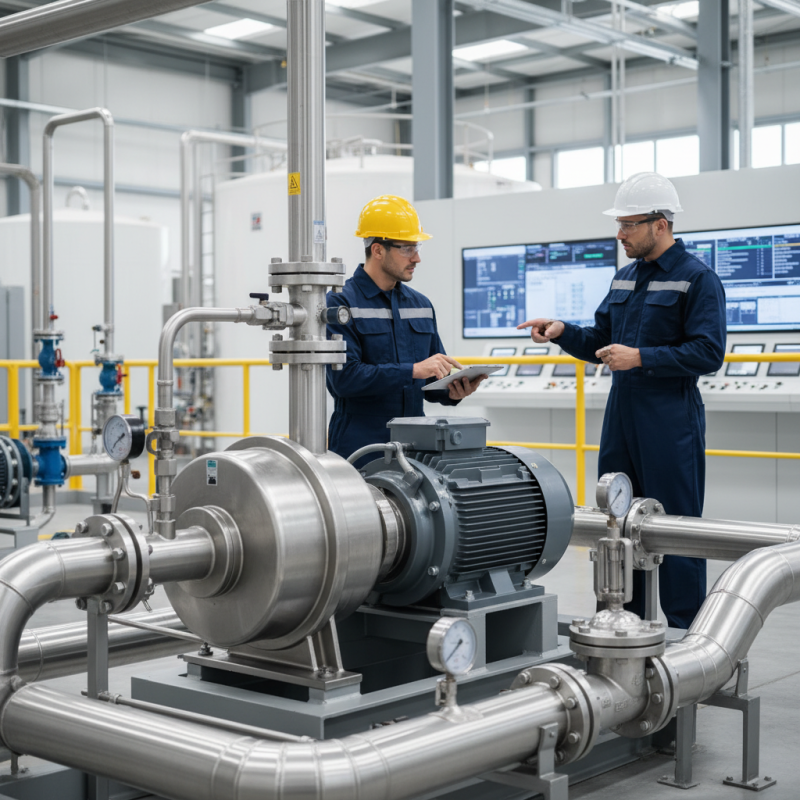
Industrial pumps play a crucial role in various sectors. They transport liquids and slurry, making them essential in manufacturing. Understanding the different types can help you select the right one for your needs.
Centrifugal pumps are common. They move fluids using rotational energy. These pumps are efficient for low-viscosity liquids. However, they may struggle with viscous materials.
Positive displacement pumps, on the other hand, handle thicker fluids well. They work by trapping a fixed amount of liquid and forcing it through the outlet. This method is beneficial for applications requiring high pressure.
Consider also the environment in which the pump will operate. Some pumps are designed for high temperatures or corrosive fluids. Others excel in clean water applications. Assessing your specific needs is essential. Each type has unique strengths and weaknesses. Questioning your application will lead to a better choice.
Choosing the right industrial pump requires careful consideration of flow rate and pressure needs. These two factors are critical for efficiency. Flow rate measures how much liquid the pump can move. Pressure indicates how forcefully the liquid is pushed through the system. Both must align with your specific application.
When evaluating flow rate, think about your project's demands. Is it high-volume or low-volume? A pump that exceeds the required flow can lead to wasted energy. On the other hand, a pump that's too weak may not suffice and could fail often.
Tip: Calculate your system's total dynamic head. This calculation will greatly inform your decision. Also, consider the viscosity of the liquids being pumped. It affects flow and pressure. Adjusting for this can prevent many issues. Another consideration is the pump's material compatibility.
Tip: Regularly review your pump's performance. If it operates inefficiently, it may lose effectiveness over time. Even reliable pumps need checks to ensure they meet changing operational needs. Don't overlook maintenance; it’s vital for sustained performance.
When selecting an industrial pump, material compatibility is crucial. Many fluids, especially chemicals, can react with pump materials. For instance, the corrosiveness of certain acids can degrade metal components in pumps. According to a recent industry report by the Fluid Handling Equipment Association, over 30% of pump failures result from material incompatibility. Understanding chemical compatibility helps in preventing costly downtimes.
Tips: Always refer to material compatibility charts. These charts provide essential insights on what materials suit specific chemicals. Consider the operating temperature and pressure, as these can also affect compatibility.
One common oversight is neglecting to test a material with the specific chemical it will handle. For example, while a polymer may seem suitable, it could fail under high temperatures. Factors like pH levels and the presence of particulates can influence pump performance dramatically. Reviewing case studies can offer real-world insights into material and chemical interactions.
Tips: Check compatibility in varying conditions. A comprehensive analysis of environmental factors can prevent unexpected failures. Regularly update knowledge based on new studies and reports.
| Pump Type | Material | Chemical Compatibility | Temperature Range (°C) | Common Applications |
|---|---|---|---|---|
| Centrifugal Pump | Stainless Steel | Good for Water, Acids | -15 to 85 | Water Transfer, Chemical Processing |
| Diaphragm Pump | PTFE | Excellent for Solvents, Fuels | -30 to 150 | Chemical Transfer, Laboratory Work |
| Positive Displacement Pump | Nitrile Rubber | Good for Oils, Greases | -20 to 100 | Lubrication, Food Industry |
| Peristaltic Pump | Silicone | Ideal for Clean Applications | -10 to 60 | Pharmaceuticals, Food |
| Gear Pump | Cast Iron | Suitable for Viscous Fluids | -30 to 120 | Fuel Oil, Paints |
When choosing an industrial pump, energy efficiency is a crucial factor. Pumps with higher energy efficiency ratings can significantly lower operational costs. They consume less power while providing the same performance. This savings can be vital, especially for facilities operating continuously.
**Tip:** Look for pumps that offer variable frequency drives. These can adjust motor speed, saving energy during lower demand times.
Operational costs can skyrocket if energy efficiency is overlooked. Sometimes, less efficient models seem cheaper upfront, but they can lead to higher electricity bills over time. It’s worth analyzing long-term costs versus initial investments.
**Tip:** Calculate the total cost of ownership. Include energy costs, maintenance, and potential downtime when assessing your choices.
Remember, a balance between upfront costs and ongoing expenses is essential. Investing in a high-efficiency pump could pay off significantly. Don’t just focus on the price tag; think ahead.
When selecting an industrial pump, maintenance and support services are crucial. A reliable pump requires regular upkeep. Consider the ease of access to replacement parts. Will your supplier provide timely support? Delays in service can lead to production stoppages. Evaluate available service contracts. Some might look appealing at first, but hidden fees can arise over time.
Think about the type of maintenance needed. Certain pumps demand daily checks, while others may need less frequent attention. For complex systems, training your staff might be essential. Can you handle repairs internally? Understanding your team's capabilities is vital. Regular training can save costs but requires time and investment.
Assess the availability of skilled technicians. In some areas, expertise may be hard to find. Without proper support, troubleshooting can be challenging. Reflect on your long-term goals. A pump is more than just a purchase; it's an investment. The right decision today can lead to smoother operations tomorrow. But, if neglected, you may face unexpected challenges later.
: You should evaluate the flow rate and pressure requirements of your application.
Flow rate indicates how much liquid a pump can move. A pump that exceeds this can waste energy.
Poor material compatibility can lead to pump failures. Certain chemicals can corrode metal components.
Don't overlook testing materials with the specific chemicals they will handle. This can prevent failures.
Regular performance reviews are crucial. Inefficiencies can grow over time without proper maintenance.
Evaluate the type of maintenance required. Some pumps need daily checks; others may require less frequent care.
Consider training your team to handle repairs. Skilled technicians are essential for effective troubleshooting.
Assess the supplier's reliability in providing parts and support. Delays can affect production significantly.
Factors like temperature and pH levels can dramatically affect compatibility and functionality.
A pump is an investment. Neglecting its maintenance can lead to unexpected challenges and costs later.
Choosing the right industrial pump for your application is crucial for ensuring efficiency and longevity in operations. Understanding the different types of industrial pumps and their specific applications is the first step in making an informed decision. Evaluating the required flow rate and pressure is essential to match the pump capabilities with operational needs. Additionally, analyzing the materials and construction of the pump for chemical compatibility can prevent costly damage and downtime.
Moreover, energy efficiency ratings play a significant role in operational costs, making it important to consider these factors in your selection process. Finally, assessing the maintenance needs and available support services can ensure that your investment remains viable in the long run. By carefully considering these aspects, you can effectively decide how to choose the right industrial pump for my application, optimizing performance and cost-effectiveness.
Tongyi Machinery